
4 min read · Blades Pest Solutions
Yes - cockroaches are dangerous. They contaminate food and surfaces with bacteria linked to food poisoning, salmonella, dysentery and gastroenteritis, and their droppings and shed skins trigger asthma and allergies, especially in children. They rarely bite, but the contamination and allergen risk make an infestation a genuine public-health concern that should be dealt with quickly.
The main health risks
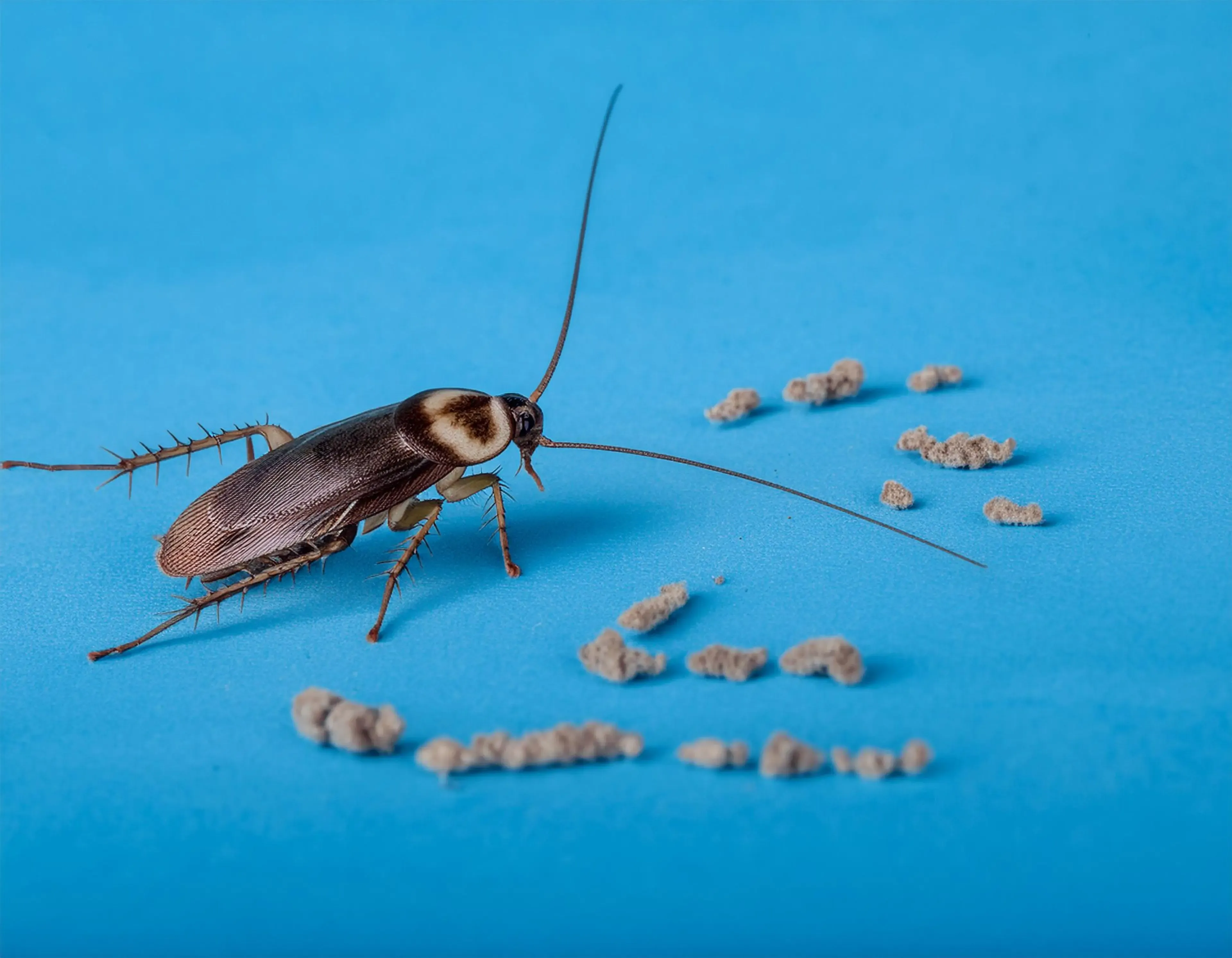
Cockroaches are a real public-health concern because of where they go before they reach your food. They are scavengers that live and feed in drains, bins, sewers and waste, then travel across food and food-preparation surfaces, mechanically transferring bacteria onto everything they touch. Because they hide by day and forage at night, they often contaminate kitchens while no one is watching.
The bacteria they carry are linked to several common illnesses. The main risks include:
- Food poisoning and gastroenteritis - stomach upsets, diarrhoea and vomiting from contaminated food and surfaces.
- Salmonella - picked up from waste and transferred to food, packaging and crockery.
- Dysentery - a serious bacterial infection of the gut spread through contamination.
The risk isn't only what they carry on their bodies. Their droppings, saliva, shed skins and decomposing bodies release proteins that are a well-recognised trigger for allergic reactions and asthma. In a heavily infested property these allergens build up over time, so the longer an infestation is left, the greater the exposure. Heavy populations also leave persistent staining and a musty, oily odour, and they readily contaminate stored food, packaging and crockery. The NHS and UK Health Security Agency advise treating pest contamination of food and food premises as a genuine hazard, which is why environmental health takes any cockroach problem in a food business so seriously.
Who is most at risk
Cockroaches can affect anyone, but some people and settings face a higher risk:
- Children - particularly vulnerable to the asthma and allergy triggers in cockroach droppings, saliva and shed skins, and more likely to come into contact with contaminated floors and surfaces.
- People with asthma or respiratory conditions - cockroach allergens can worsen symptoms and provoke attacks.
- The elderly and anyone with a weakened immune system - more susceptible to the stomach infections cockroaches help spread, and slower to recover from them.
- Food businesses - restaurants, cafes, takeaways and food processing sites, where contamination can cause illness, failed inspections and serious reputational and legal consequences. Under the Food Safety Act 1990 and food hygiene regulations, food businesses must keep premises free from pests.
- Healthcare and care settings - hospitals and care homes, where vulnerable patients and strict hygiene standards mean any infestation is a priority.
Because German cockroaches breed rapidly - a single female can produce dozens of offspring that reach adulthood in weeks - and they can spread between adjoining flats, terraces and commercial units, a small problem in one property can quickly become a shared one. Seeing a cockroach during the day, when they would normally stay hidden, often points to an established, larger population.
What to do about it
If you suspect cockroaches, act quickly - they reproduce fast, and a small problem escalates rapidly. Sensible first steps reduce the risk while you arrange treatment:
- Tighten hygiene - clean up crumbs, spills and grease, empty bins regularly and keep them covered, and don't leave food or dirty crockery out overnight.
- Cut off moisture - fix leaking taps and pipes and ventilate damp areas, as cockroaches are drawn to water.
- Deny harbourage - clear clutter and seal cracks and crevices around warm spots like behind fridges, cookers, dishwashers and along heated pipework.
- Protect food - store food in sealed containers and wash crockery and surfaces that may have been contaminated.
These steps help, but shop-bought sprays rarely clear an established infestation - cockroaches hide deep in voids and behind appliances, and survivors keep breeding. Treatments must also use approved insecticides applied safely and responsibly in line with the product label and COSHH requirements, which is another reason professional control is strongly recommended. An RSPH-qualified Blades technician identifies the species and harbourage points and applies a tailored combination of baiting, targeted treatment, dusting and ongoing monitoring to break the life cycle, then confirms the problem is fully resolved.
If you've seen droppings that look like ground pepper, noticed a musty odour, or spotted insects scattering when you switch on a light at night, don't wait. Call Blades Pest Solutions free on 0800 037 7358 for a free, no-obligation price and an agreed plan. We're fully insured and offer same-day and 24/7 call-outs across Ipswich, Suffolk, north Essex and UK-wide for commercial clients.
FAQs
- Are cockroaches dangerous to humans?
- Yes. Cockroaches carry bacteria linked to food poisoning, salmonella, dysentery and gastroenteritis, and they transfer these onto food and surfaces. Their droppings and shed skins also trigger asthma and allergies. They rarely bite, but they readily contaminate food and crockery.
- Can cockroaches make you ill?
- They can. Cockroaches walk across drains, bins and waste before crossing food-preparation surfaces, mechanically spreading bacteria that cause stomach upsets and food poisoning. The NHS and UK Health Security Agency treat pest contamination of food as a real public-health concern.
- Do cockroaches cause asthma?
- Cockroach droppings, saliva, shed skins and decomposing bodies release proteins that are a well-recognised trigger for allergic reactions and asthma, particularly in children and people with existing respiratory conditions.
- Do cockroaches bite?
- Cockroaches do not typically bite humans. The main danger is contamination: they spread bacteria onto food, packaging and surfaces, and their allergens affect the airways. That is why an infestation should be dealt with promptly.
- How much does cockroach treatment cost?
- Every infestation is different, so we don't quote a fixed figure. Call 0800 037 7358 for a free, no-obligation price and an agreed treatment plan. Blades is RSPH-qualified, fully insured and offers same-day and 24/7 call-outs.