

Pest control & removal
MouseControl & Removal
Fast, RSPH-qualified, fully insured mouse treatment with same-day appointments and 24/7 emergency call-outs across the UK.



Identification
How to identify mice
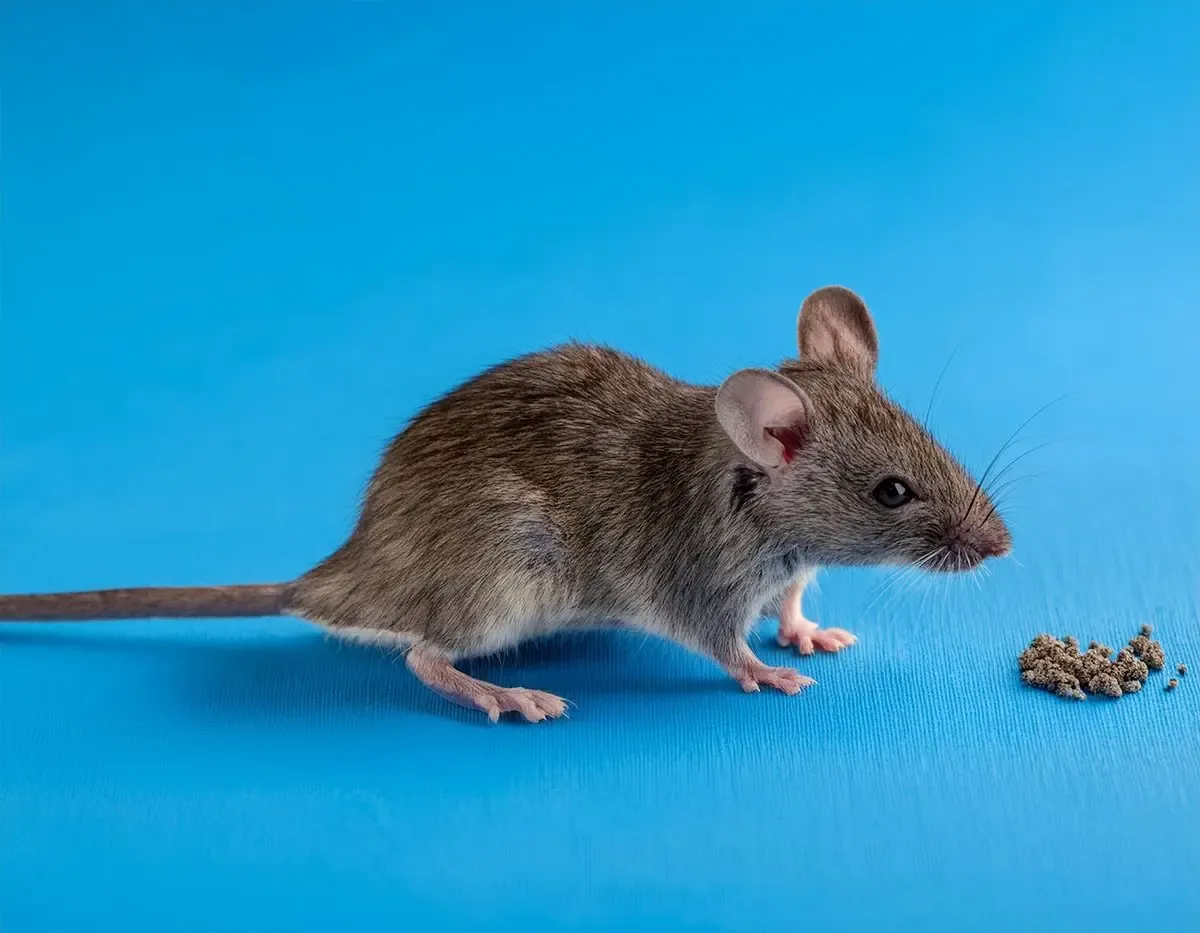
Mice are typically recognised by their small size, with bodies measuring 7-10 cm long, not including the tail. They have soft, grey or brown fur, large ears, and long, thin tails. Their droppings are small, dark, and pellet-shaped. Common signs of a mouse infestation include: Tiny droppings Gnaw marks on food packaging and materials Nesting materials like shredded paper or fabric Greasy trails along walls Mice are nocturnal and can often be heard scurrying at night.

Warning signs
Signs of a mouse infestation
Common indicators of a mouse infestation include: - Droppings: Small, dark, rod- or grain-shaped droppings (around 3-6 mm long) found along skirting, in cupboards, under sinks, in lofts and near food. Fresh droppings are dark and moist; older ones are grey and crumbly. Concentrations often appear near food sources and runs. - Gnaw marks and damage: Fresh gnawing on food packaging, cardboard, wood, plastic, insulation and cabling. Mice gnaw constantly to keep their incisors worn down. - Nests: Shredded soft material such as paper, fabric, loft insulation and packaging, typically in concealed, undisturbed areas (lofts, behind appliances, in wall cavities, under floorboards). - Smear/grease marks: Greasy, dark smudges along regular runs where the body brushes walls, pipes and beams, though these are fainter than those left by rats. - Sounds: Scratching, gnawing and scurrying noises at night from lofts, walls and under floors, as mice are largely nocturnal. - Odour: A persistent stale, musky, ammonia-like smell of mouse urine in enclosed spaces, which becomes stronger with larger or longer-standing infestations. - Live or dead sightings: Daytime sightings often indicate a larger established population. Pets repeatedly fixating on a particular spot can also be a clue. - Footprints and runs: Tracks or disturbance in dust, and well-used runways through clutter or vegetation.
Why it matters
Health & property risks
Mice present several health risks to occupants of an infested property: - Disease transmission: Mice can carry and spread pathogens through their urine, droppings, saliva and contaminated fur. These include Salmonella (food poisoning), Leptospira (leptospirosis/Weil's disease, though more associated with rats), Hantavirus, Lymphocytic choriomeningitis virus (LCMV) and Listeria. - Food contamination: A single mouse can leave behind a large number of droppings and frequently urinates as it moves, contaminating food preparation surfaces and stored food. Contaminated stock must be discarded, which is a particular concern for food businesses subject to Food Standards Agency hygiene requirements. - Allergens and respiratory effects: Mouse urine proteins, dander and droppings are recognised allergens and can trigger or worsen asthma and allergic rhinitis, especially in children and sensitised individuals. - Parasites: Mice can introduce fleas, mites and ticks into a property. - Indirect/safety risk: Gnawing of electrical cabling is a documented fire risk, and gnawed gas or water pipes can cause further damage. While not a direct "disease", this is a significant health and safety hazard. Risk is highest where mice have access to kitchens, food storage, lofts and wall voids near living spaces.
Got mice? Let's sort it today.
Speak to a local, RSPH-qualified engineer now. Same-day appointments and 24/7 emergency cover.
Free quote · Same-day mouse treatment · 24/7 emergency
Our treatment
How we treat mice
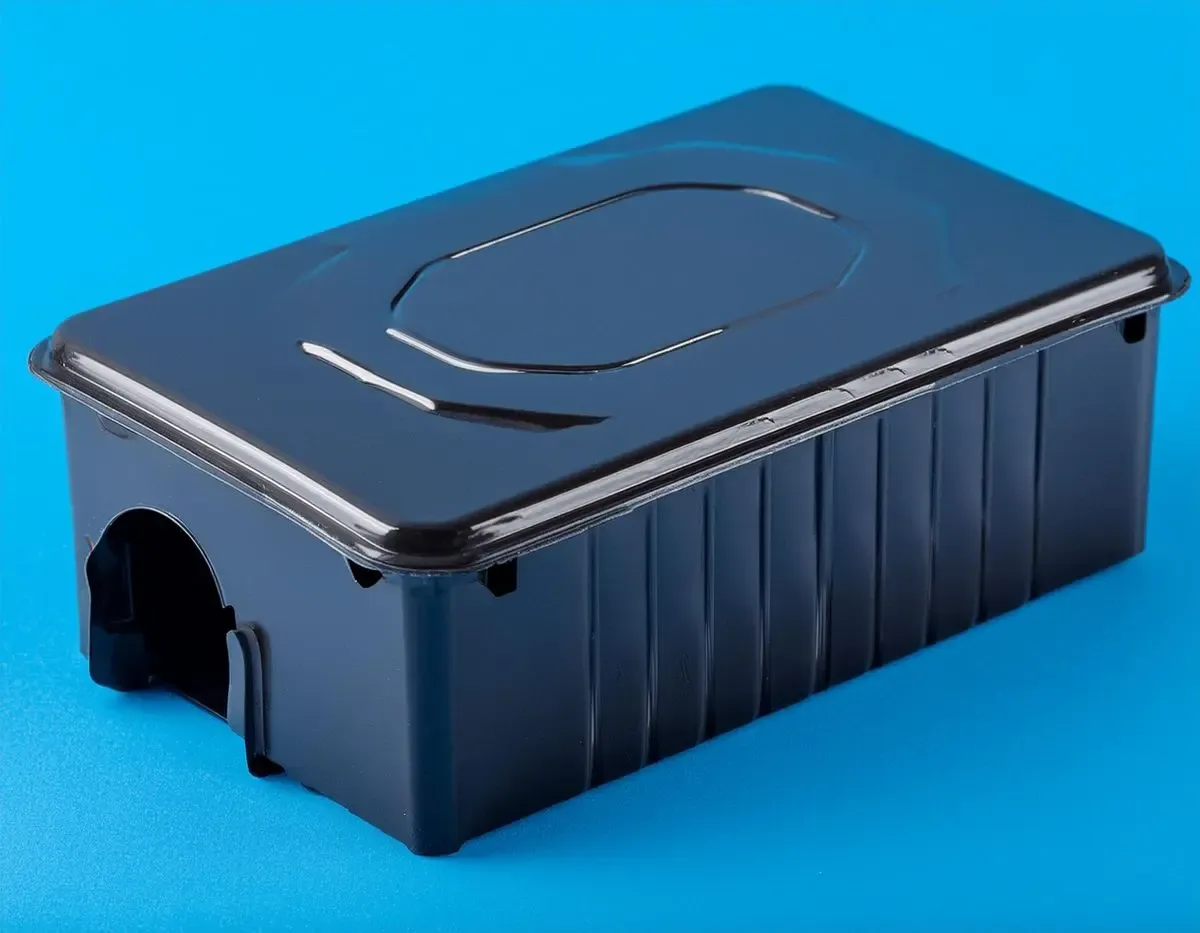
Blades Pest Solutions uses a thorough approach to manage mouse infestations: Traps: We deploy various traps, including snap traps and live traps, to capture mice effectively. Rodenticides: When needed, we use rodenticides safely and responsibly to reduce risks to non-target animals. Exclusion Techniques: We seal entry points and provide advice on repairs to prevent future issues. Follow-Up: Our follow-up visits ensure the effectiveness of the treatment and allow us to make any necessary adjustments.
Our expert advice
At Blades Pest Solutions, we suggest a proactive approach to mouse control: Secure Food Sources: Store food in airtight containers and promptly clean up spills and crumbs. Reduce Clutter: Clear clutter from areas such as basements and attics where mice may nest. Inspect and Seal: Check for small gaps and holes in walls, floors, and foundations, and seal them with materials like steel wool or caulk. Maintain Cleanliness: Regularly clean your property to remove potential nesting sites and food sources.
Keep them away
How to prevent mice
To prevent mice, secure all food sources, eliminate clutter, seal entry points, and maintain a clean property to reduce nesting opportunities.
Did you know
Mouse facts
Disease Carriers: Mice can carry diseases such as leptospirosis and salmonella, posing health risks. Gnawing Behaviour: Their constant gnawing can damage electrical wiring and structural components. Rapid Reproduction: Female mice can have up to 10 litters a year, each with 5-6 pups, leading to rapid population growth. Climbing Ability: Mice are agile climbers and can access buildings through high entry points as well as low ones. Adaptability: Mice are highly adaptable and can thrive in diverse environments, from urban areas to rural settings.
UK seasonality
When are mice most active in the UK?
Mice are active all year round in the UK, but indoor problems follow a clear seasonal pattern as outdoor mice (such as field/wood mice) seek shelter and food. - January-February: Peak indoor activity. Cold weather drives mice into the warmth of buildings; lofts, wall voids and kitchens are heavily used. Reproduction can continue indoors in heated properties. - March-April: Activity remains high but begins to ease as temperatures rise; some mice move back outdoors. Spring breeding ramps up. - May-June: Lower indoor pressure as food and shelter are abundant outside. Outdoor populations grow as the breeding season is in full swing. - July-August: Mainly outdoor activity in gardens, fields and outbuildings. Indoor sightings are typically lower, often linked to isolated entry or food availability. - September-October: Numbers peak after the summer breeding season, then the first cold snaps trigger a marked move indoors. This is one of the busiest periods for mouse callouts as mice seek overwintering harbourage. - November-December: High indoor activity continues into winter. Mice settle into nesting sites within the fabric of buildings; food stored for the festive period can attract them. Because house mice readily live and breed indoors, a heated UK property can sustain activity in every month, but the autumn "invasion" (September-October) and the deep-winter peak are when most infestations are noticed.
The law
UK law & mouse control
There is no legal protection for the house mouse (Mus musculus), so it can be controlled and humanely destroyed without licence. However, several rules govern how that control is carried out: - Rodenticide stewardship: Professional use of Second Generation Anticoagulant Rodenticides (SGARs) is governed by the CRRU UK Code of Best Practice and the Rodenticide Stewardship Regime. Technicians must hold an approved certificate (or work under an approved farm assurance scheme) to buy and use professional rodenticides. All baiting must follow label conditions, be based on a documented risk assessment and site survey, and minimise exposure to non-target wildlife, pets and children. Bait must be secured in tamper-resistant stations, recorded, and any spilled bait or rodent carcasses searched for and removed to prevent secondary poisoning of predators and scavengers (owls, kestrels, foxes, etc.). - Permanent baiting is restricted; baiting should be targeted, monitored and removed once activity ceases, with non-toxic monitoring favoured where appropriate (an integrated pest management approach). - Animal welfare: Control methods must comply with the Animal Welfare Act 2006. Live-capture and glue/cage traps must be checked regularly so trapped animals do not suffer; glue boards are strongly discouraged and their general (non-professional) sale is being phased out under the Glue Traps (Offences) Act 2022 in England, with professionals requiring a licence to use them. - Native mice: While the house mouse is unprotected, native species such as the wood mouse (field mouse) are not pests of the same status, and the harvest mouse is a species of conservation concern. Correct identification matters before control. (Protections under the Wildlife and Countryside Act 1981 are relevant chiefly to misidentified native species rather than to commensal house mice.) Note: CRRU bait stewardship is the key legal/compliance point for mice. Honey bee relocation, bat protection and the wasp/bee distinction do not apply to this pest.
Pricing
What affects mouse control cost?
A mouse control quote is shaped by several factors rather than a single fixed price: - Severity and extent of infestation: A few mice in one room costs less to resolve than an established population spread across multiple floors, the loft and wall cavities. - Property size and type: Larger homes, multi-occupancy buildings and commercial premises require more bait points, more traps and more inspection time. - Property construction and access: Older properties with many entry points, cavity walls, suspended floors and complex roof spaces are harder to survey and proof. Difficult-to-access voids increase labour. - Proofing/exclusion works required: Identifying and sealing entry points (gaps around pipes, airbricks, gaps under doors, damaged brickwork) is often the most labour-intensive and material-dependent element, and the most important for a lasting result. - Number of visits: Most treatments involve an initial visit plus follow-ups to monitor, replenish and confirm eradication. The number of return visits affects the total. - Control methods used: Choice between trapping (often preferred near food areas and for sensitive sites) and rodenticide baiting, plus the use of tamper-resistant stations, influences cost. - Environmental and safety constraints: Sites with children, pets, food production or wildlife sensitivities may require additional precautions, monitoring and documentation under rodenticide stewardship, adding time. - Commercial/compliance needs: Businesses often need documented reporting, regular servicing and audit-ready records (for example for food-safety standards), which is typically a contracted arrangement rather than a one-off. - Location and call-out: Travel and any out-of-hours or emergency response also factor in.
Local engineers
Mouse control near you
We provide local mouse control across the region, including:
Advice & guides
Mouse advice & guides
Practical, expert reading on dealing with mice - from spotting the signs to safe, lasting treatment.
Seasonal
Autumn Rodent Season: Keeping Rats & Mice Out
As temperatures drop across Suffolk, rats and mice move indoors for warmth and food. Proof your home or business before winter with this early-action checklist and shut rodents out for good.
Read guideHealth & Safety
Are Mice Dangerous? The Diseases & Risks
Yes - mice can carry Salmonella and other bacteria, contaminate far more food than they eat, and create a real fire risk by gnawing electrical cables. Here is what to do about it.
Read guideAdvice
Do DIY Rat Poisons & Traps Actually Work?
An honest look at whether shop-bought rat poisons and traps actually solve a rodent problem, where they fall short, and the legal and safety risks every homeowner should know before laying bait.
Read guidePests
How to Get Rid of Mice: Signs, Risks & Treatment
How to spot mice early, why even a small infestation puts your health, property and business at risk, and the fastest, safest way to clear them for good.
Read guideCosts & Pricing
How Much Does Mouse Control Cost?
There's no single price for mouse control because every infestation is different. This guide explains exactly what drives the cost so you know what to expect before you call.
Read guideIdentification
Noises in the Loft: Is It Rats, Mice, Squirrels or Birds?
Scratching or scurrying overhead? The sound, the time of day and the signs will tell you whether you have squirrels, rats, mice or birds - and what to do about it.
Read guide
FAQs
Mouse control FAQs
- How do I get rid of mice fast?
- The fastest, most reliable route is a professional treatment. Blades Pest Solutions uses RSPH-qualified methods to eliminate mice at source, with same-day and 24/7 emergency appointments. Call 0800 037 7358.
- What are the signs of a mouse infestation?
- Common indicators of a mouse infestation include: - Droppings: Small, dark, rod- or grain-shaped droppings (around 3-6 mm long) found along skirting, in cupboards, under sinks, in lofts and near food. Fresh droppings are dark and moist; older ones are grey and crumbly.
- Are mice dangerous to health?
- Mice present several health risks to occupants of an infested property: - Disease transmission: Mice can carry and spread pathogens through their urine, droppings, saliva and contaminated fur. These include Salmonella (food poisoning), Leptospira (leptospirosis/Weil's disease, though more associated with rats), Hantavirus, Lymphocytic choriomeningitis virus (LCMV) and Listeria.
- How much does mouse control cost?
- A mouse control quote is shaped by several factors rather than a single fixed price: - Severity and extent of infestation: A few mice in one room costs less to resolve than an established population spread across multiple floors, the loft and wall cavities. - Property size and type: Larger homes, multi-occupancy buildings and commercial premises require more bait points, more traps and more inspection time.
- Are your mouse treatments safe for children and pets?
- Yes. As a RSPH-qualified contractor we follow industry best practice and apply targeted treatments responsibly, so your family and pets stay safe.
- How quickly can you treat a mouse problem?
- We offer same-day appointments and 24/7 emergency response for urgent mouse infestations across our coverage area. Fully licensed & insured.
Got mice? We'll sort it - fast.
Speak to a local, RSPH-qualified engineer now. 24/7 emergency cover and same-day response.
Free quote · Same-day · 24/7 emergency