

Pest control & removal
PigeonControl & Removal
Fast, RSPH-qualified, fully insured pigeon treatment with same-day appointments and 24/7 emergency call-outs across the UK.

Identification
How to identify pigeons
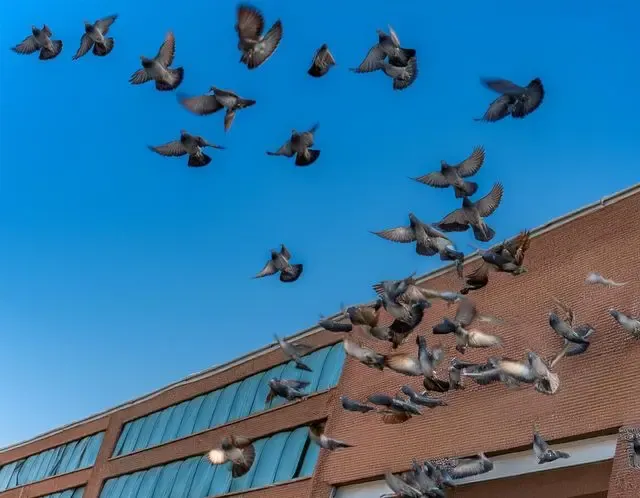
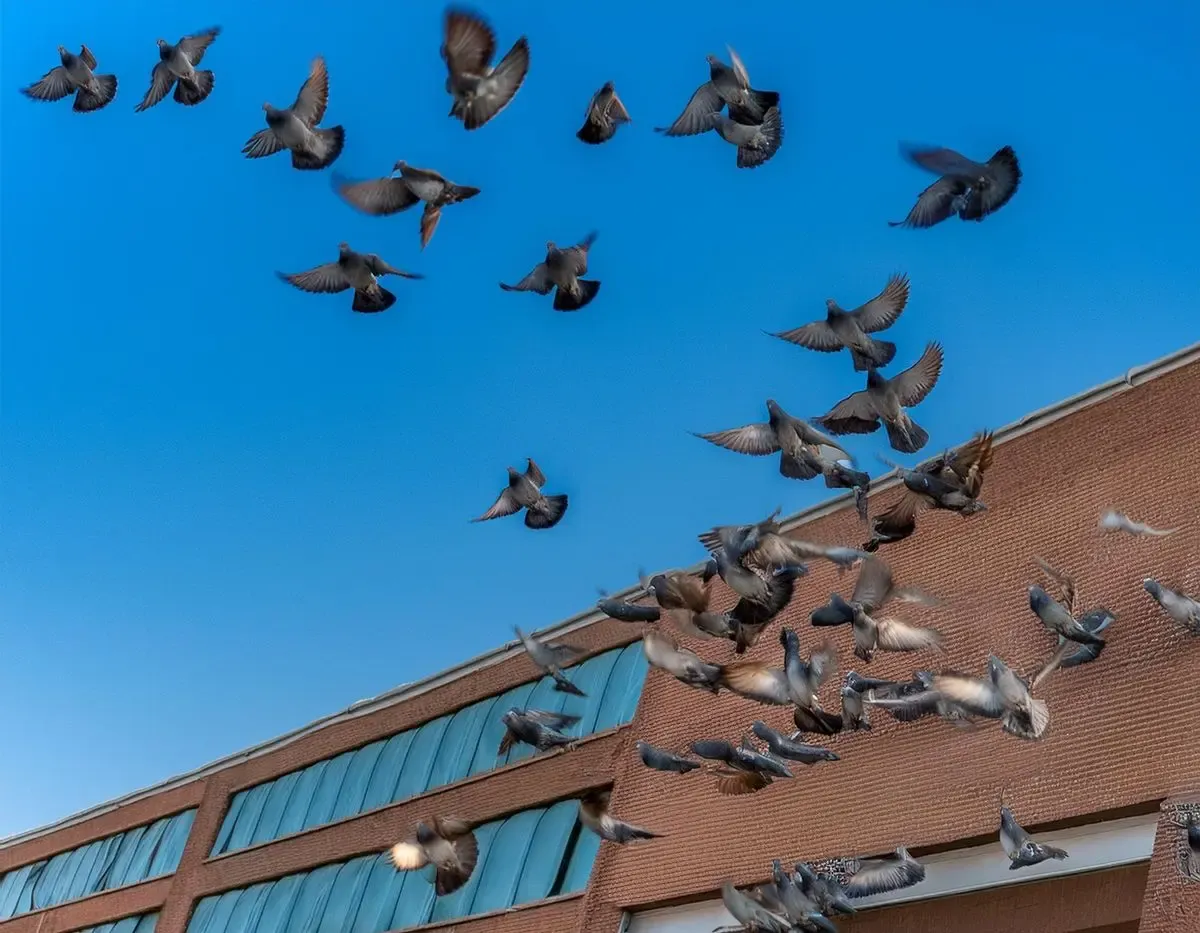
Recognising Pigeons: Pigeons, also known as rock doves, are common urban birds and can become a nuisance when they roost or nest in inappropriate places. Here’s how to identify them: Pigeons are medium-sized birds with a robust build, typically ranging from 30-35 cm in length. They have a distinctive cooing sound and can be identified by their greyish-blue feathers, often with iridescent necks and white tail feathers. Their distinctive walking pattern and ability to perch on ledges or rooftops are also key identifiers. Common Issues: Pigeons can cause various problems when they invade buildings or urban areas. Understanding these issues can help in managing and mitigating their impact. Health Risks: Pigeons can carry diseases such as psittacosis and histoplasmosis, which can be transmitted to humans through their droppings. Structural Damage: Pigeons can cause significant damage to buildings through their droppings, which are acidic and can erode stone and metal surfaces. Mess and Noise: Pigeon droppings can create unsightly messes and can lead to blocked gutters. The cooing and nesting behaviors can be disruptive, especially in urban areas.

Warning signs
Signs of a pigeon infestation
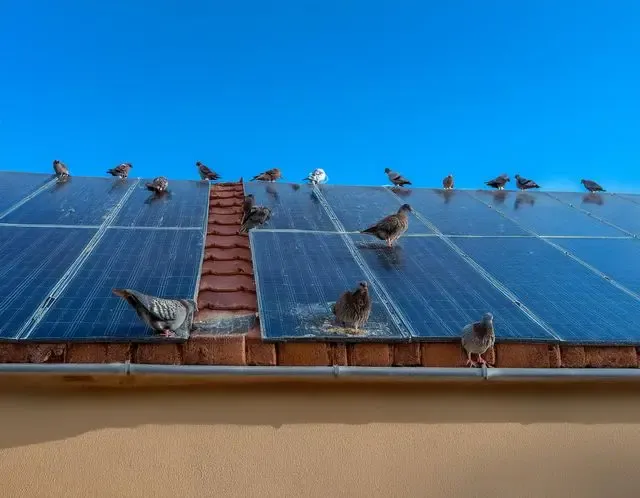
Typical indicators of a feral pigeon problem include: accumulations of droppings (guano) beneath ledges, beams, signage, solar panels and roosting points, often building into thick, crusted deposits and white streaking down walls. Visible birds repeatedly perching, loafing or roosting on parapets, ledges, rooftops, ledged windowsills, gutters and beneath bridges or canopies. Nests and nesting material — untidy collections of twigs, straw, feathers and debris — tucked into lofts, void spaces, recessed brickwork, behind signage, in disused chimneys, or on flat ledges; nests are frequently reused and become heavily fouled. Persistent cooing and the clatter of wings, particularly around dawn and at roosting times. Scattered feathers and, in severe cases, the carcasses of dead birds or unhatched eggs. Blocked or overflowing gutters, hoppers and downpipes caused by nest material and droppings. Damage to roofing felt, solar PV arrays (birds nesting beneath panels) and stonework from acidic fouling. Evidence of feeding activity around bin stores, food outlets and spilled grain. Inside buildings, signs of bird mites or a persistent musty/ammonia odour from a hidden roost can also point to an established infestation.
Why it matters
Health & property risks
Feral pigeons and their droppings are associated with a number of zoonotic and respiratory health risks. Inhalation of dust from dried droppings can transmit psittacosis (ornithosis, caused by Chlamydia psittaci), producing flu-like illness and pneumonia, and histoplasmosis, a fungal lung infection arising from fungus that grows in accumulated guano. Cryptococcosis, another fungal infection that can affect the lungs and central nervous system, is also linked to pigeon droppings and is a particular concern for immunocompromised individuals. Pigeons can carry bacteria including Salmonella, E. coli and Campylobacter, which may contaminate food-preparation areas, water tanks and surfaces. Allergens in feathers and droppings can trigger or worsen asthma and cause extrinsic allergic alveolitis (bird fancier's lung). Pigeons also act as hosts for ectoparasites — pigeon ticks, bird mites (including the red mite) and biting flies — which can migrate indoors and bite humans once a nest is disturbed or abandoned, leaving people with persistent irritation. There is an additional indirect risk: large volumes of slippery droppings on walkways, fire escapes and steps create a real slip-and-fall hazard, and acidic guano degrades building fabric. Anyone cleaning fouled areas should treat it as a biohazard, wear appropriate RPE/PPE and dampen material to suppress airborne dust.
Got pigeons? Let's sort it today.
Speak to a local, RSPH-qualified engineer now. Same-day appointments and 24/7 emergency cover.
Free quote · Same-day pigeon treatment · 24/7 emergency
Our treatment
How we treat pigeons
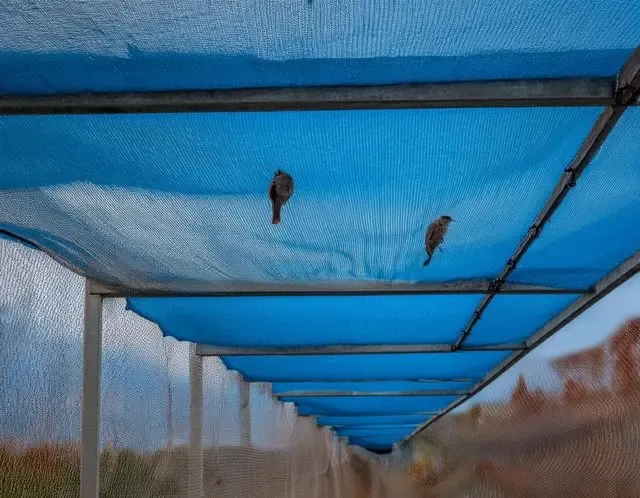
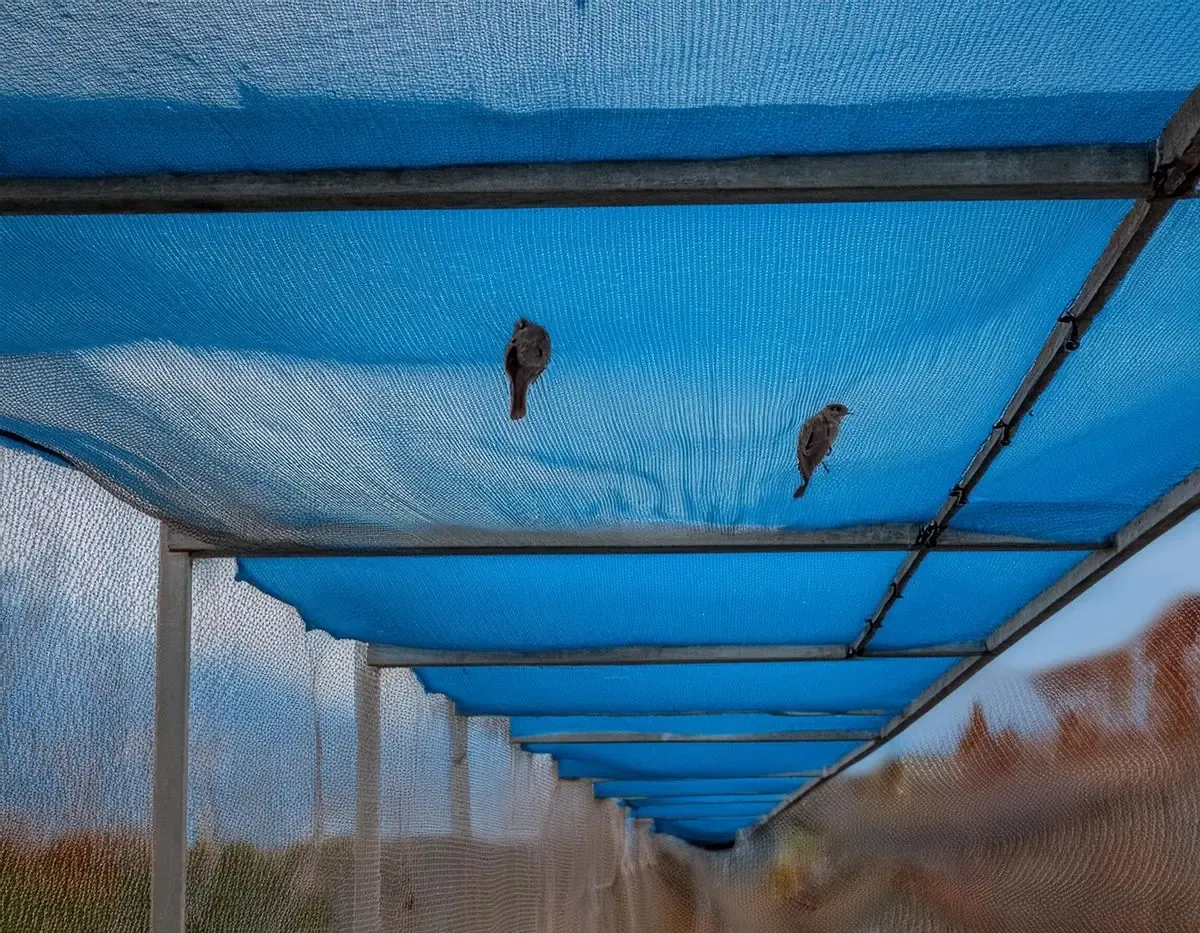
Blades Pest Solutions offers comprehensive methods for managing pigeon infestations while ensuring humane and effective practices. Here’s how we handle pigeon control: Control Methods: Exclusion: We seal entry points and install barriers to prevent pigeons from accessing buildings. This includes netting, spikes, and bird wires. Deterrents: We use various deterrents such as visual repellents, audio devices, and chemical repellents to discourage pigeons from roosting or nesting. Nest Removal: We safely remove existing nests and ensure that the area is cleaned and disinfected to prevent health risks. Habitat Modification: We advise on modifying the environment around your property to make it less attractive to pigeons, such as removing potential food sources and reducing available perching areas.
Our expert advice
Effectively managing pigeons involves a combination of prevention, deterrence, and removal strategies. Here are our expert recommendations: Inspection Tips: Regularly inspect your property for signs of pigeon activity, such as droppings, feathers, and nesting materials. Check potential roosting spots including ledges, vents, and rooftops. Handling Pigeon Infestations: Avoid Direct Contact: Pigeons can be carriers of disease. Avoid direct contact and use protective clothing if handling them. Professional Assessment: Engage with professional pest controllers to assess the extent of the infestation and recommend suitable control measures.
Keep them away
How to prevent pigeons
Seal gaps and openings to prevent entry, and use deterrents like spikes or netting on ledges. Remove food sources and secure garbage to avoid attracting pigeons.
Did you know
Pigeon facts
Understanding pigeons can help you manage their presence more effectively and appreciate their role in the urban environment. Key Facts: Diet: Pigeons primarily feed on seeds, grains, and sometimes small invertebrates. They are often seen pecking at food scraps in urban areas. Breeding: Pigeons can breed throughout the year, with a high reproductive rate. A pair of pigeons can produce several broods annually. Behavior: Pigeons are social birds that prefer to roost in groups. They are highly adaptable and can thrive in a variety of environments.
UK seasonality
When are pigeons most active in the UK?
Feral pigeons are present and active in the UK throughout the entire year and, unlike many pests, do not hibernate or migrate, so problems can occur in any month. Their distinguishing feature is an exceptionally long breeding season: given a reliable food supply (common in urban and suburban settings), pairs can breed almost year-round and may raise several broods annually. January–February: birds shelter and roost communally in warm, sheltered structures (lofts, undercroft areas, plant rooms); breeding can already be underway in milder spells and city heat-island conditions. March–May: peak nest-building and the main spring breeding push, with the highest demand for ledges and void spaces; this is when new nests appear and complaints typically rise. June–August: continued breeding and multiple broods, large numbers of juveniles fledging, heavy fouling at established roosts, and ectoparasite (mite/tick) activity at its highest in warm weather. September–October: a secondary breeding peak is common while the weather remains mild, alongside flocking and increased reliance on food sources as natural availability drops. November–December: birds increasingly seek warm, dry roosting and nesting sites within buildings, so exclusion gaps are exploited and indoor roosting complaints rise. Because of this near-continuous breeding, proofing and deterrence are best installed outside the peak nesting window and ideally before birds become strongly site-attached, but inspections and preventative work are worthwhile at any time of year.
The law
UK law & pigeon control
Feral pigeons (Columba livia) are wild birds and are protected under the Wildlife and Countryside Act 1981, which makes it an offence to intentionally kill, injure or take any wild bird, or to damage or destroy an active nest or eggs. Control must therefore be carried out lawfully, with non-lethal exclusion and deterrence (netting, spikes, wire, post-and-wire systems) as the strongly preferred and primary approach. Where lethal control is genuinely necessary, it can only be undertaken under the terms of a General Licence issued by Natural England (in England; equivalent licences apply under NatureScot in Scotland and Natural Resources Wales). The General Licences are reviewed and reissued periodically, so the current valid licence and its specific conditions must be checked before any action — feral pigeon's inclusion and the permitted purposes (typically preserving public health/safety) and methods can change year to year. The licence requires that the user is satisfied lawful non-lethal methods are ineffective or impracticable before resorting to lethal means. Any control method must avoid causing unnecessary suffering (the Animal Welfare Act 2006 applies), and the use of poisons against pigeons is illegal. Note this differs from genuinely protected/relocated species: this is not a bat (which is fully protected, and roosts cannot be disturbed without a separate licence) or a honey bee swarm (relocated by a beekeeper, not exterminated). Cleaning and removal of guano must comply with COSHH and the Control of Substances Hazardous to Health Regulations because dried droppings are a recognised biohazard. Property managers also have duties under the Health and Safety at Work etc. Act 1974 where pigeon fouling creates slip or contamination risks to staff and the public.
Pricing
What affects pigeon control cost?
A pigeon-control quote is shaped by the survey findings rather than a fixed list price. Key drivers include: the scale and severity of the infestation (number of birds and how established/site-attached they are); the size, height and complexity of the building and the specific areas needing protection. Access and safety requirements are a major factor — work at height frequently requires ladders, mobile elevating work platforms (MEWPs/cherry pickers), scaffolding or rope-access (IRATA) operatives, plus traffic management or out-of-hours working on busy or public sites. The chosen proofing method and the linear metreage/area involved affect material and labour costs: anti-roost spikes, post-and-wire, bird netting (and the type/grade of net), bird-wire systems, optical-gel deterrents, or electric track each carry different costs. The structure type matters too — ornate, listed or heritage buildings, solar PV arrays and intricate rooflines need more careful, time-consuming fixing. Decontamination and clean-down adds cost where guano has accumulated: biohazard cleaning, disinfection, removal and safe disposal of contaminated nesting material under COSHH, and possible removal of dead birds or treatment for associated mites. Licensing and ecological considerations (checking and complying with the current General Licence, and ensuring no active nests are disturbed) may add survey time. Finally, ongoing factors such as warranty/guarantee periods, follow-up visits, monitoring and any recommended maintenance contract influence the overall investment. No fixed prices are given here because every site is quoted following a free site survey.
Local engineers
Pigeon control near you
We provide local pigeon control across the region, including:
Advice & guides
Pigeon advice & guides
Practical, expert reading on dealing with pigeons - from spotting the signs to safe, lasting treatment.
Health & Safety
Are Pigeons a Health Risk? Fouling, Disease & Hazards
Yes, pigeons can be a genuine health and safety risk. Their droppings harbour disease-causing organisms, create slip hazards and corrode buildings, and the birds carry biting parasites. Here is what that really means.
Read guidePests
How to Get Rid of Pigeons & Problem Birds
How to spot a pigeon problem early, why fouling is a real health and slip hazard, and the lawful, humane way to clear and proof your property so the birds stay away for good.
Read guide
FAQs
Pigeon control FAQs
- How do I get rid of pigeons fast?
- The fastest, most reliable route is a professional treatment. Blades Pest Solutions uses RSPH-qualified methods to eliminate pigeons at source, with same-day and 24/7 emergency appointments. Call 0800 037 7358.
- What are the signs of a pigeon infestation?
- Typical indicators of a feral pigeon problem include: accumulations of droppings (guano) beneath ledges, beams, signage, solar panels and roosting points, often building into thick, crusted deposits and white streaking down walls. Visible birds repeatedly perching, loafing or roosting on parapets, ledges, rooftops, ledged windowsills, gutters and beneath bridges or canopies.
- Are pigeons dangerous to health?
- Feral pigeons and their droppings are associated with a number of zoonotic and respiratory health risks. Inhalation of dust from dried droppings can transmit psittacosis (ornithosis, caused by Chlamydia psittaci), producing flu-like illness and pneumonia, and histoplasmosis, a fungal lung infection arising from fungus that grows in accumulated guano.
- How much does pigeon control cost?
- A pigeon-control quote is shaped by the survey findings rather than a fixed list price. Key drivers include: the scale and severity of the infestation (number of birds and how established/site-attached they are); the size, height and complexity of the building and the specific areas needing protection.
- Are your pigeon treatments safe for children and pets?
- Yes. As a RSPH-qualified contractor we follow industry best practice and apply targeted treatments responsibly, so your family and pets stay safe.
- How quickly can you treat a pigeon problem?
- We offer same-day appointments and 24/7 emergency response for urgent pigeon infestations across our coverage area. Fully licensed & insured.
Got pigeons? We'll sort it - fast.
Speak to a local, RSPH-qualified engineer now. 24/7 emergency cover and same-day response.
Free quote · Same-day · 24/7 emergency