
Pest control & removal
RatControl & Removal
Fast, RSPH-qualified, fully insured rat treatment with same-day appointments and 24/7 emergency call-outs across the UK.

Identification
How to identify rats
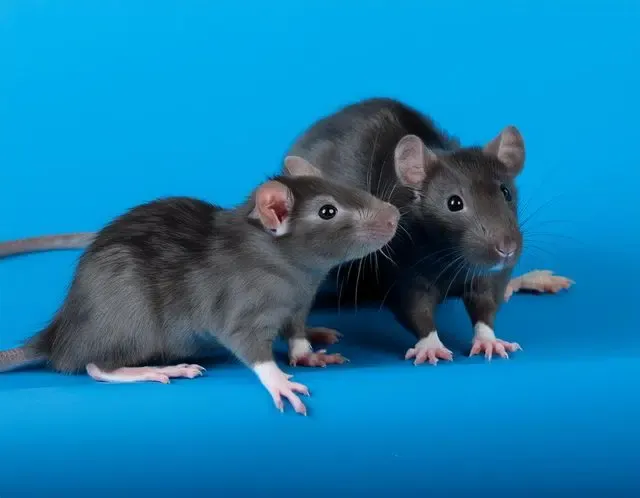
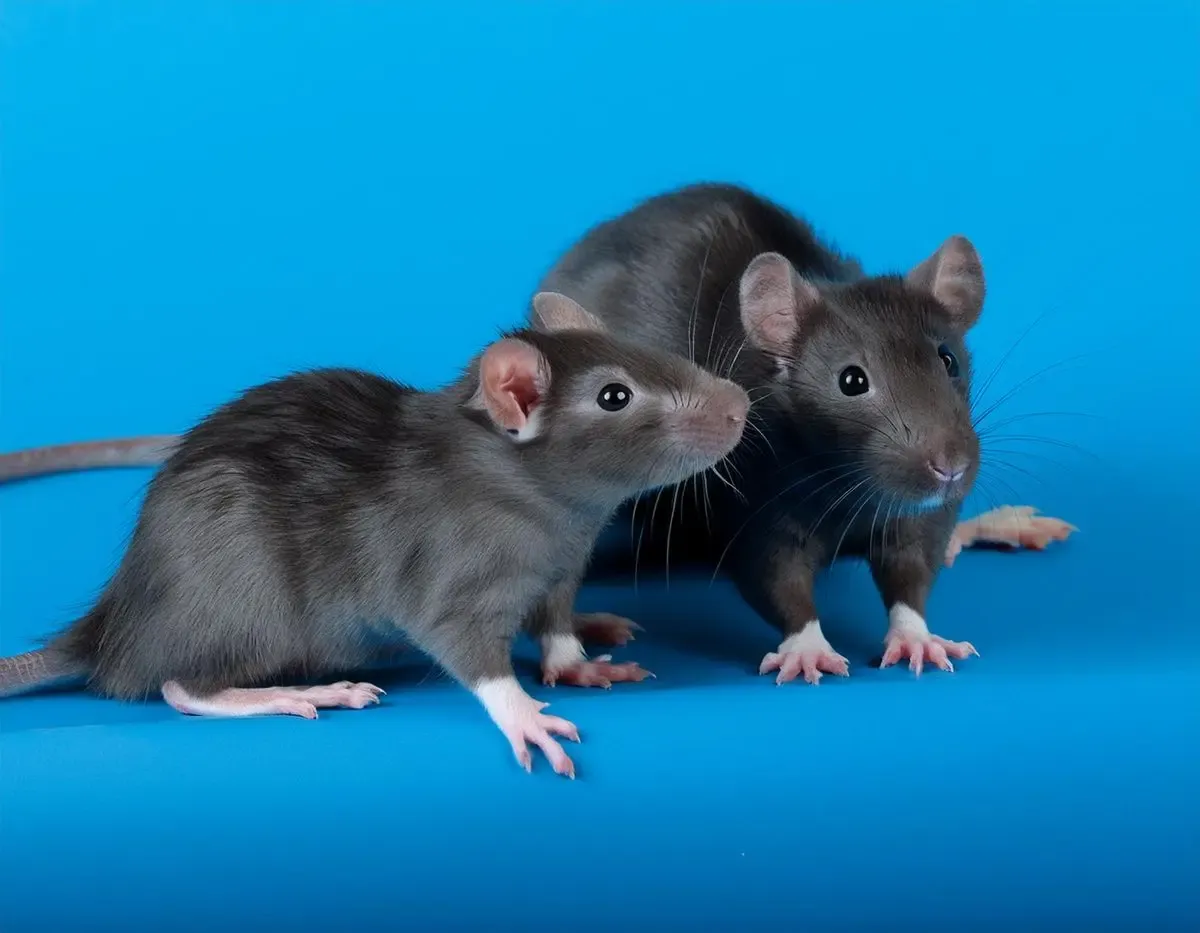
Rats are typically identified by their grey or brown fur, long, scaly tails, and robust bodies, measuring 20-40 cm in length including the tail. They have a pointed nose and small, beady eyes. Common signs of a rat infestation include: Dark, pellet-shaped droppings Gnaw marks on food packaging and structural components Greasy smudges along walls Nests made from shredded materials Rats are nocturnal and social, often seen in groups. Their presence is usually more noticeable at night.
Warning signs
Signs of a rat infestation
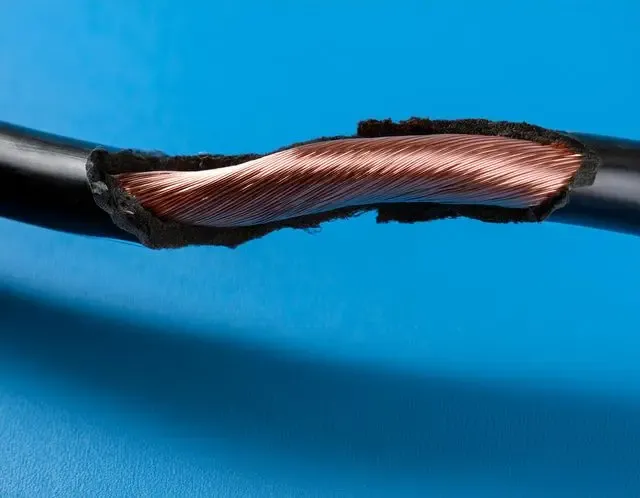
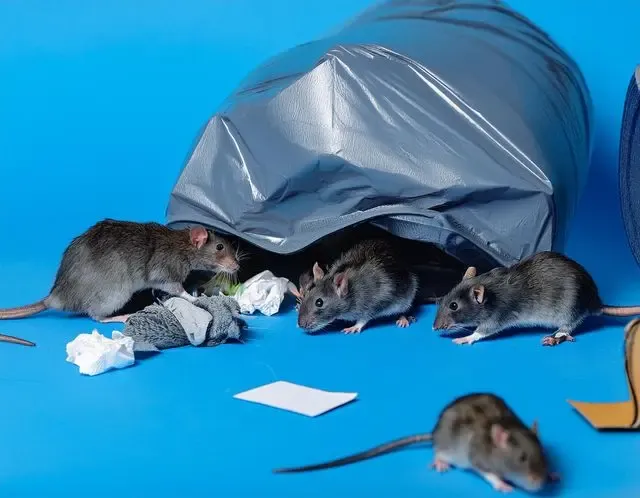
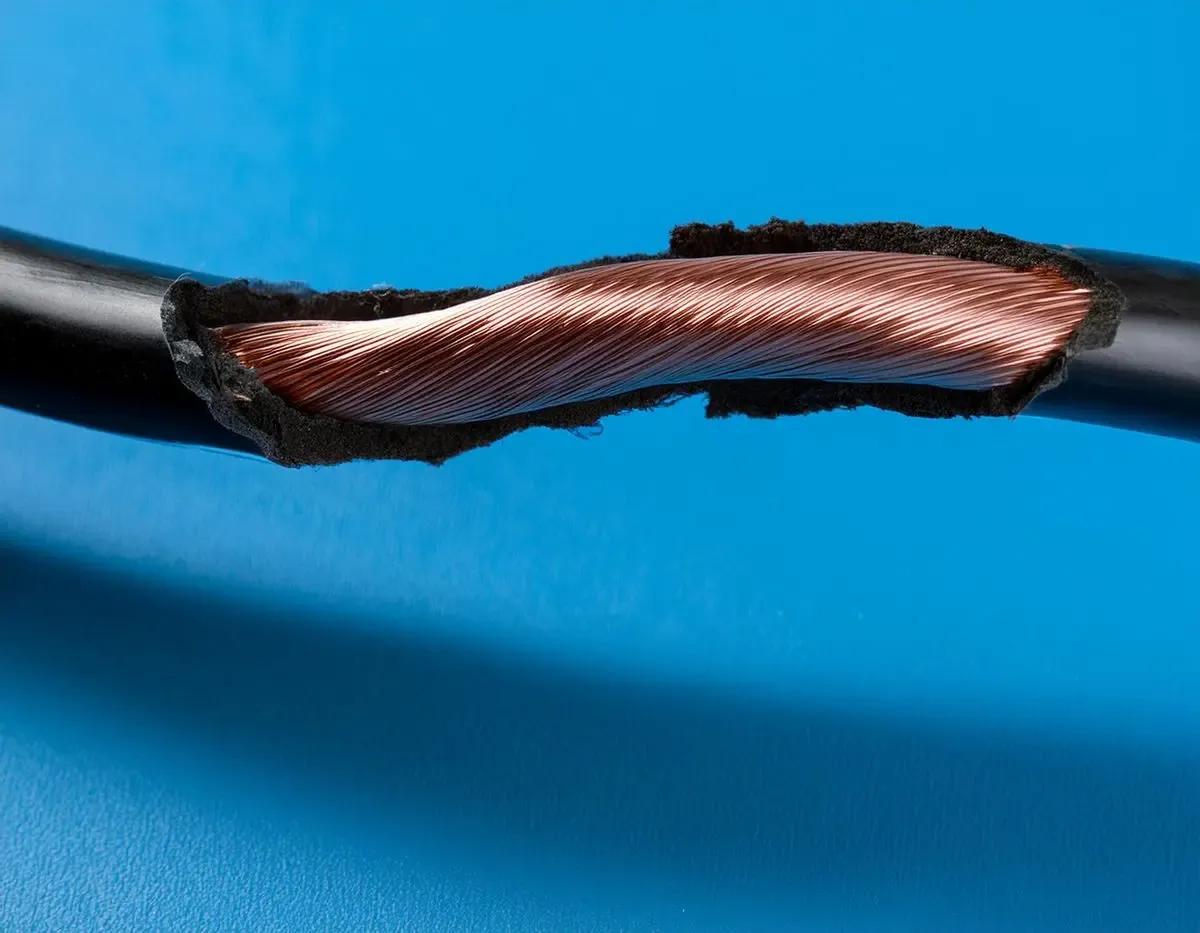
Common signs of a rat infestation include: dark, spindle or pellet-shaped droppings around 1-2 cm long, often clustered along runs and near food sources. Gnaw marks on food packaging, timber, plastic, cabling and even soft metals, as rats must gnaw continuously to wear down their incisors. Greasy smear marks (dark smudges left by the oils in their fur) along skirting boards, walls, pipework and entry holes where they repeatedly travel the same routes. Distinctive runs or tracks through vegetation, and footprints or tail swipes in dust or soft ground. Burrows and holes around 6-9 cm in diameter, typically near sheds, decking, compost heaps, drains and overgrown areas, often with smooth, well-used entrances. Nests made from shredded paper, fabric, loft insulation and other soft materials in lofts, wall cavities, under floors and behind appliances. A strong, persistent ammonia-like or musky odour, especially in enclosed spaces. Scratching, gnawing or scurrying noises, particularly at night, from lofts, wall voids or beneath floors, as rats are largely nocturnal. Damage to drains, disturbed soil, and unexplained pet behaviour (cats or dogs fixated on a particular area) can also indicate activity. Daytime sightings often suggest a heavy or well-established infestation.
Why it matters
Health & property risks
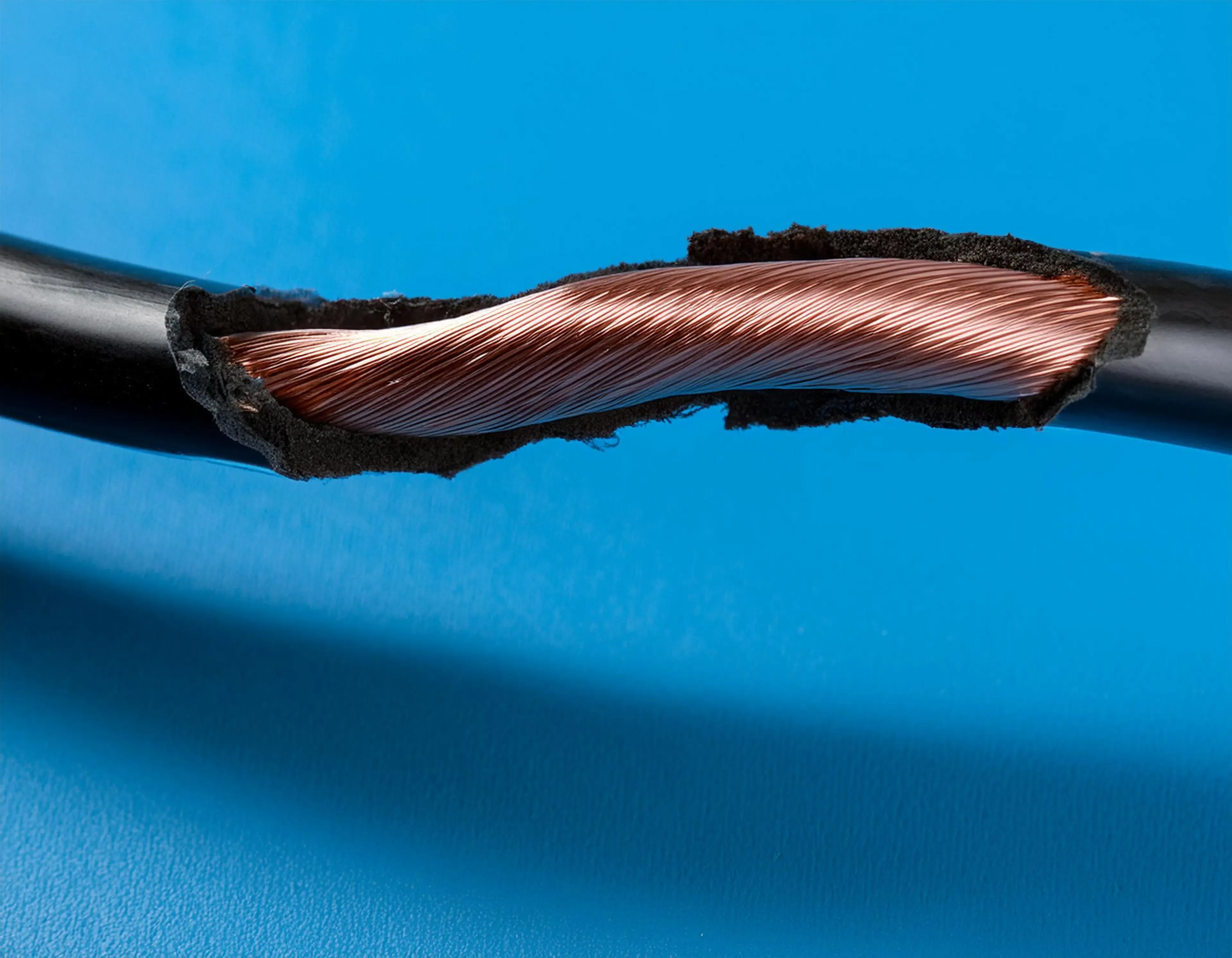
Rats present significant public health risks and are recognised vectors for a number of diseases. The most serious in the UK is leptospirosis (Weil's disease), a bacterial infection spread through rat urine that can cause flu-like symptoms and, in severe cases, organ damage; it poses a particular risk to those working near watercourses, drains or contaminated areas. Rats can also transmit Salmonella (causing food poisoning) through contamination of food and surfaces, as well as other gastrointestinal pathogens. They are associated with hantavirus and can harbour Toxoplasma. Rats carry parasites including fleas, ticks and mites, which can transfer to humans and pets, and their droppings, urine and shed hair can contaminate food preparation and storage areas, triggering hygiene failures in commercial premises. Accumulated droppings and disturbed nesting material can aggravate asthma and allergies. Beyond direct disease, rats create indirect hazards: their persistent gnawing damages electrical cabling and increases the risk of fire, and they can undermine drains and structures. Vulnerable groups including young children, the elderly, pregnant women and the immunocompromised are at greater risk from any contamination. Prompt professional control and thorough decontamination of affected areas are strongly advised.
Got rats? Let's sort it today.
Speak to a local, RSPH-qualified engineer now. Same-day appointments and 24/7 emergency cover.
Free quote · Same-day rat treatment · 24/7 emergency
Our treatment
How we treat rats
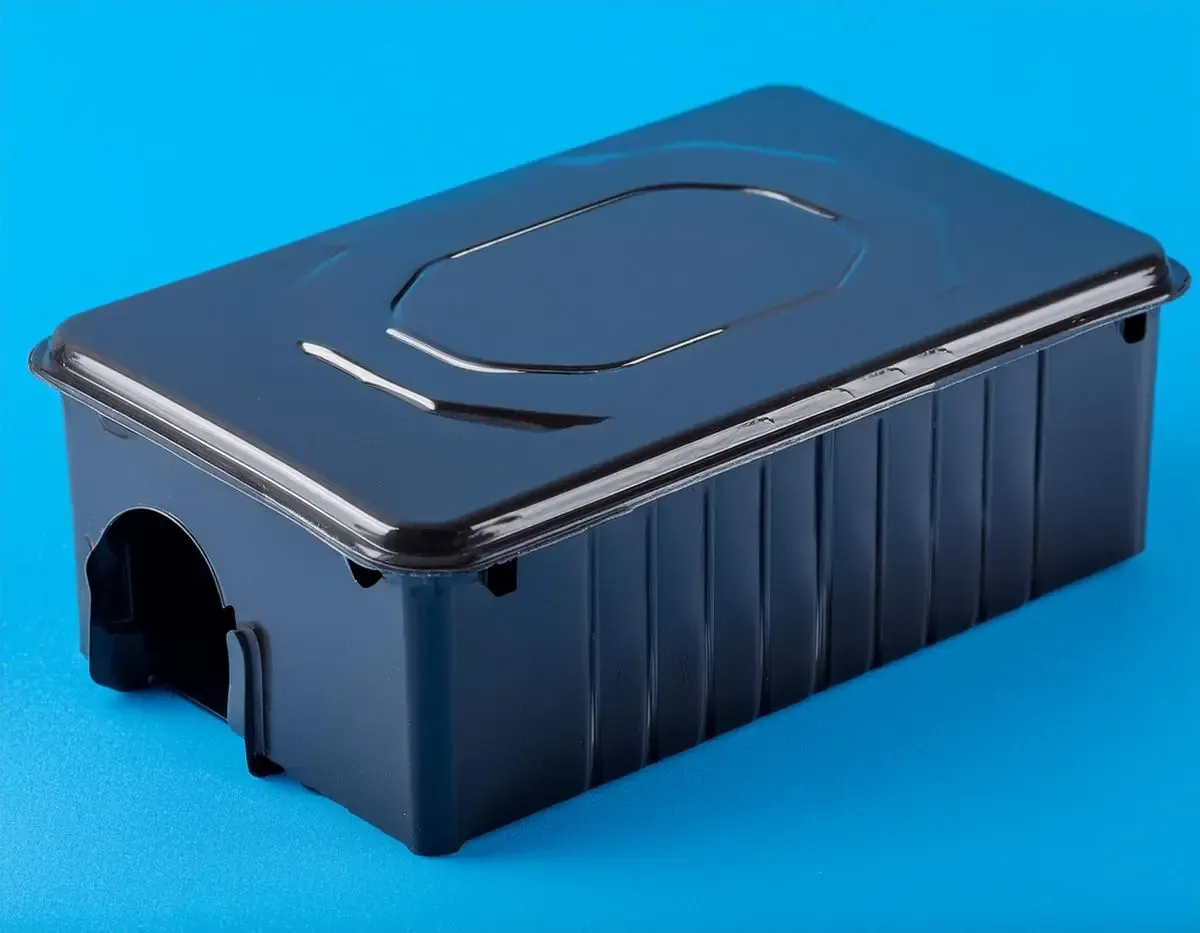
Blades Pest Solutions employs a comprehensive strategy to address rat infestations: Traps: We use snap traps and electronic traps to capture rats effectively. Rodenticides: When necessary, we use rodenticides safely and responsibly to minimise risk to non-target animals. Exclusion Techniques: We focus on sealing entry points and advising on structural repairs to prevent future infestations. Follow-Up: Our follow-up visits ensure the treatment is effective and allow us to adjust our approach as needed.
Our expert advice
At Blades Pest Solutions, we recommend a thorough approach to rat control: Secure Food Sources: Store food in airtight containers and clean up spills and crumbs promptly. Reduce Clutter: Remove clutter from areas like basements, attics, and garages to eliminate potential nesting sites. Inspect and Seal: Check for holes or gaps in walls, floors, and foundations. Seal these entry points with durable materials such as steel wool, caulk, or metal sheeting. Trim Vegetation: Cut back overgrown plants around your property to reduce potential shelter and entry routes for rats.
Keep them away
How to prevent rats
To prevent rats, secure all food sources, eliminate clutter, seal entry points, and maintain your property by trimming back vegetation and fixing any structural issues.
Did you know
Rat facts
Disease Carriers: Rats can transmit diseases like leptospirosis, salmonella, and hantavirus, posing significant health risks. Destructive Chewing: Their gnawing can damage electrical wiring, increasing the risk of fires. Rapid Reproduction: Female rats can produce up to 12 pups every 21-23 days, leading to quick population growth if not controlled. Swimming Ability: Rats are excellent swimmers and can enter buildings through sewer pipes and other water sources. Adaptive Nature: Highly adaptable, rats can thrive in a range of environments, from urban to rural settings.
UK seasonality
When are rats most active in the UK?
Rats are active in the UK throughout the entire year and do not hibernate, but the pattern of where they cause problems shifts with the seasons. In late autumn and winter (October through February), as outdoor temperatures drop and natural food becomes scarce, rats move indoors and into buildings, lofts, cavity walls and sheds seeking warmth, shelter and food. This is the peak period for residential call-outs, with December and January often the busiest months for rats entering homes via drains, gaps and air bricks. In spring (March to May) breeding accelerates as conditions warm, and populations begin to climb rapidly; activity may spread back outdoors but indoor harbourage from the winter often remains established. Through summer (June to August), abundant outdoor food and warm weather support very high reproduction rates, and infestations are more likely to be found in gardens, decking, compost, outbuildings and around bins, with several litters produced over the season. In early autumn (September and October) the combination of a peak population built up over summer and falling temperatures drives rats to seek harbourage again, marking the start of the next indoor surge. Because females can breed year-round, producing multiple litters annually, an untreated problem can escalate in any season, so early intervention is always recommended.
The law
UK law & rat control
Rats are not a protected species, so there are no restrictions on their control in the way there are for bats, honey bees or other protected wildlife. However, several legal obligations and codes of practice apply. The most important is the CRRU (Campaign for Responsible Rodenticide Use) UK Stewardship Regime, which governs the professional use of Second Generation Anticoagulant Rodenticides (SGARs). Under this scheme, professional-grade rodenticides are restricted to trained, certificated technicians (e.g. holders of a recognised qualification or members of an approved CPD scheme), and their use must follow the principles of Integrated Pest Management: a risk assessment, recording of bait use, secure tamper-resistant bait stations, and the removal of all bait and dead rodents at the end of treatment. Permanent baiting is no longer permitted under the stewardship regime except where justified by documented monitoring. Technicians must take all reasonable precautions to prevent harm to non-target species and wildlife. Under the Animal Welfare Act 2006, any method used must avoid causing unnecessary suffering, which means traps must be appropriate, correctly set and checked regularly, and humane dispatch must be carried out where required. The Wildlife and Countryside Act 1981 is relevant where control measures could affect protected species sharing the same habitat (for example barn owls, which can suffer secondary poisoning from SGARs, or any protected wildlife near baiting points). Property owners also have responsibilities under the Prevention of Damage by Pests Act 1949 to keep land and buildings free of rats and mice and to report serious infestations to the local authority where required. There is no legal requirement to relocate rats, and lethal control is both lawful and the standard professional approach.
Pricing
What affects rat control cost?
The cost of a rat treatment quote is shaped by several factors rather than a single fixed price. Key drivers include: the severity and size of the infestation (an isolated problem versus a large, well-established colony requiring more visits and materials); the size and type of property (a small flat is quicker to treat than a large house, commercial premises, farm or multi-unit site). Accessibility is significant; rats nesting in difficult areas such as drains, sub-floor voids, cavity walls, lofts or beneath decking require more time, specialist equipment and sometimes structural investigation. The number of visits required affects cost, as effective rat control typically involves an initial inspection, treatment, and one or more follow-up visits to monitor and confirm eradication. The chosen control method matters too, with trapping, proofing and rodenticide programmes carrying different time and material requirements. Proofing and exclusion work (sealing entry points, fitting drain covers, repairing brickwork or air bricks) adds to the quote but is essential to prevent reinfestation, and the extent of this work varies widely between properties. Additional considerations include the environment and presence of non-target species, pets or children (which may dictate safer, more labour-intensive methods), whether decontamination or clean-up of nesting and droppings is needed, the urgency of the response, and whether the work is residential or commercial (commercial and food-related premises often need documented, compliance-led programmes). Ongoing prevention contracts or routine monitoring can be priced separately. A site survey is the only reliable way to produce an accurate quote.
Local engineers
Rat control near you
We provide local rat control across the region, including:
Advice & guides
Rat advice & guides
Practical, expert reading on dealing with rats - from spotting the signs to safe, lasting treatment.
Seasonal
Autumn Rodent Season: Keeping Rats & Mice Out
As temperatures drop across Suffolk, rats and mice move indoors for warmth and food. Proof your home or business before winter with this early-action checklist and shut rodents out for good.
Read guideHealth & Safety
What Diseases Do Rats Carry? Are Rats Dangerous?
Yes, rats are dangerous. They can spread leptospirosis (Weil's disease), salmonella and other pathogens through urine and droppings, and their gnawing on cables is a recognised fire risk. Here is what you need to know.
Read guideAdvice
DIY vs Professional Pest Control: Which Do You Actually Need?
A practical, honest framework for deciding when shop-bought DIY is enough and when a professional is the smarter, safer choice - covering early vs established infestations, safety, legal duties and real value.
Read guideAdvice
Do DIY Rat Poisons & Traps Actually Work?
An honest look at whether shop-bought rat poisons and traps actually solve a rodent problem, where they fall short, and the legal and safety risks every homeowner should know before laying bait.
Read guidePests
How to Get Rid of Mice: Signs, Risks & Treatment
How to spot mice early, why even a small infestation puts your health, property and business at risk, and the fastest, safest way to clear them for good.
Read guidePests
How to Get Rid of Squirrels in Your Loft
Heard scratching in the loft? Learn how to spot a squirrel problem, why their gnawing is a genuine fire risk, and the lawful, humane way to get them out and keep them out for good.
Read guide
FAQs
Rat control FAQs
- How do I get rid of rats fast?
- The fastest, most reliable route is a professional treatment. Blades Pest Solutions uses RSPH-qualified methods to eliminate rats at source, with same-day and 24/7 emergency appointments. Call 0800 037 7358.
- What are the signs of a rat infestation?
- Common signs of a rat infestation include: dark, spindle or pellet-shaped droppings around 1-2 cm long, often clustered along runs and near food sources. Gnaw marks on food packaging, timber, plastic, cabling and even soft metals, as rats must gnaw continuously to wear down their incisors.
- Are rats dangerous to health?
- Rats present significant public health risks and are recognised vectors for a number of diseases. The most serious in the UK is leptospirosis (Weil's disease), a bacterial infection spread through rat urine that can cause flu-like symptoms and, in severe cases, organ damage; it poses a particular risk to those working near watercourses, drains or contaminated areas.
- How much does rat control cost?
- The cost of a rat treatment quote is shaped by several factors rather than a single fixed price. Key drivers include: the severity and size of the infestation (an isolated problem versus a large, well-established colony requiring more visits and materials); the size and type of property (a small flat is quicker to treat than a large house, commercial premises, farm or multi-unit site).
- Are your rat treatments safe for children and pets?
- Yes. As a RSPH-qualified contractor we follow industry best practice and apply targeted treatments responsibly, so your family and pets stay safe.
- How quickly can you treat a rat problem?
- We offer same-day appointments and 24/7 emergency response for urgent rat infestations across our coverage area. Fully licensed & insured.
Got rats? We'll sort it - fast.
Speak to a local, RSPH-qualified engineer now. 24/7 emergency cover and same-day response.
Free quote · Same-day · 24/7 emergency