

Pest control & removal
FleaControl & Removal
Fast, RSPH-qualified, fully insured flea treatment with same-day appointments and 24/7 emergency call-outs across the UK.
Identification
How to identify fleas
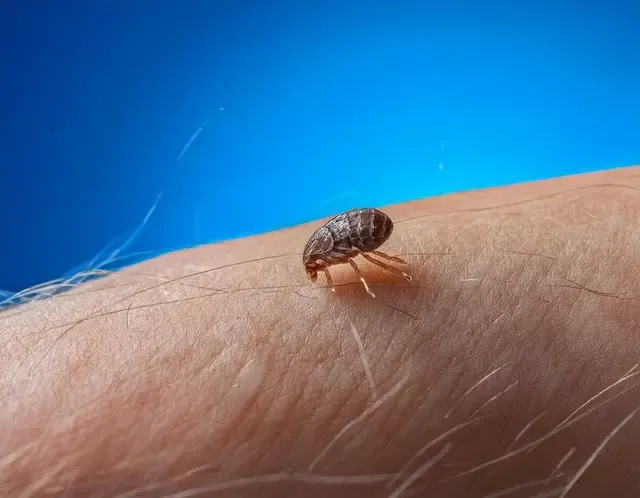
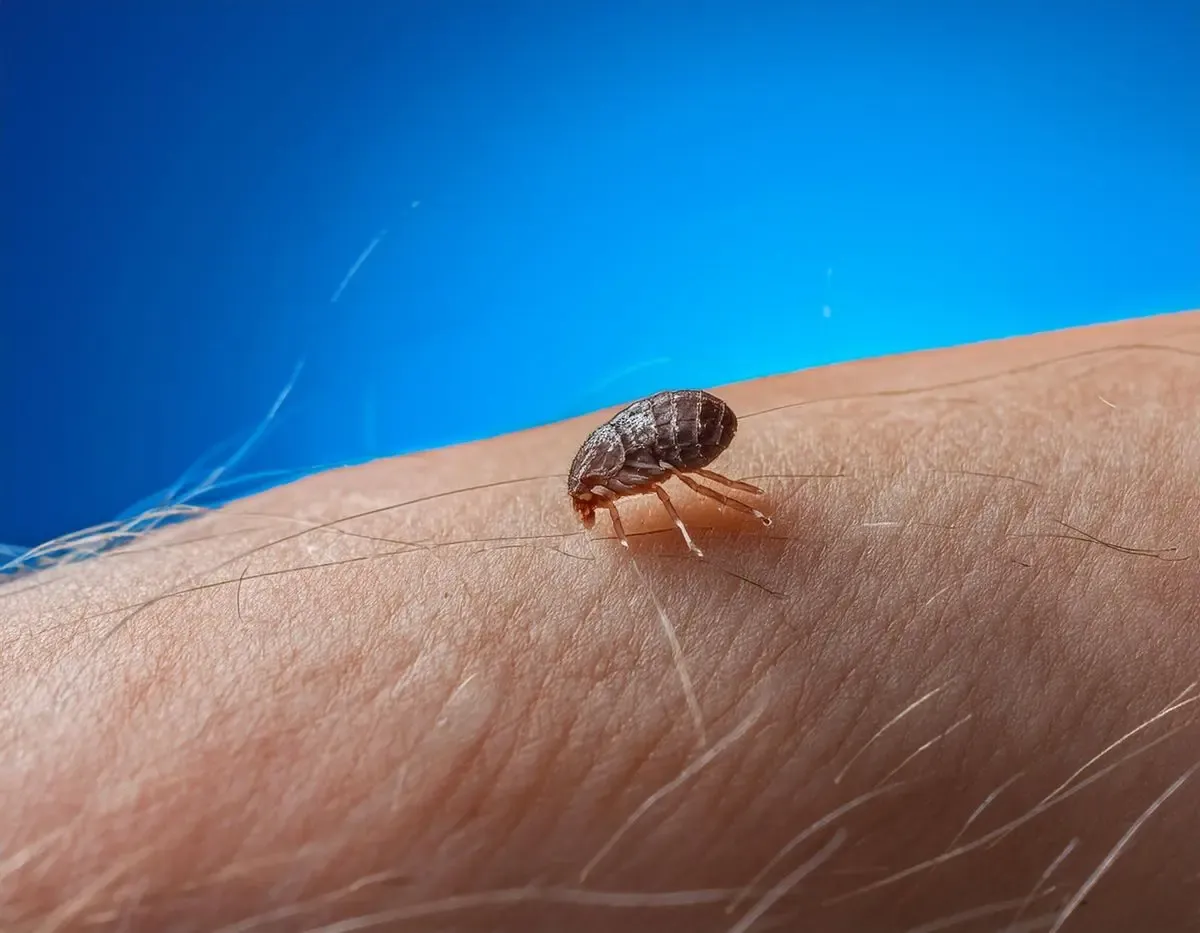
Fleas are small, wingless insects that feed on the blood of mammals and birds. They are typically brownish-red and about 2-3 mm in length. Fleas have long hind legs that allow them to jump great distances relative to their size, making them highly mobile. The most common flea species found in UK homes is the cat flea, but dog fleas and other types can also be encountered. Fleas are often first noticed due to the irritation they cause to pets, or when bites appear on humans, typically around the ankles.
Warning signs
Signs of a flea infestation
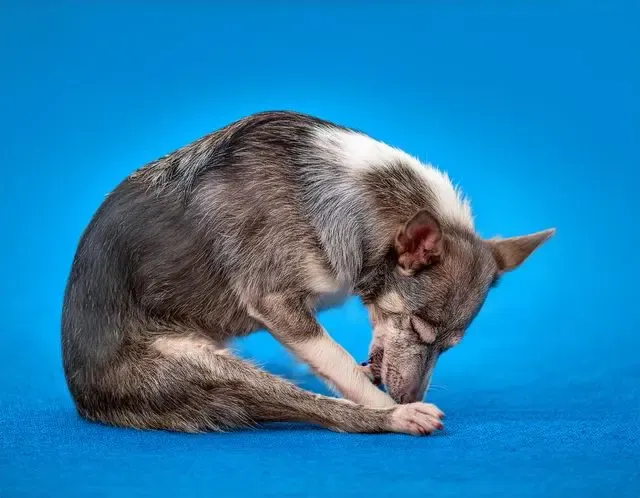
Common indicators of a flea infestation include: pets scratching, biting or grooming themselves excessively, particularly around the base of the tail, belly and hindquarters; clusters of small, itchy red bites on humans, most often around the ankles and lower legs. Adult fleas (around 2-3 mm, dark reddish-brown) may be seen moving quickly through pet fur or jumping from carpets and soft furnishings. "Flea dirt" - tiny black or dark-brown specks of dried blood and flea faeces - is often visible in pet bedding or fur; placed on damp white tissue it dissolves to a reddish-brown stain, confirming it is digested blood. Tiny white eggs and comma-shaped larvae may be found deep in carpet pile, rugs, skirting board gaps and floorboard cracks. A useful detection method is to walk across affected carpets wearing white socks, as fleas are drawn to the warmth and movement and become visible against the pale fabric. Sudden flea activity after a period of vacancy (returning from holiday, or moving into a previously pet-occupied property) is a classic sign, as vibration and carbon dioxide trigger dormant pupae to emerge.
Why it matters
Health & property risks
Flea bites are the most common health issue and typically appear as small, intensely itchy red papules, usually clustered around the ankles and lower legs. Scratching can break the skin and lead to secondary bacterial infection. Some people develop a hypersensitivity reaction (papular urticaria), and pets frequently suffer from flea allergy dermatitis, which causes severe irritation, hair loss and skin damage. Fleas are also an intermediate host for the tapeworm Dipylidium caninum, which can be passed to cats, dogs and, rarely, to children who accidentally ingest an infected flea. In the UK the risk of serious flea-borne disease is very low, but historically fleas are vectors of bacteria such as Bartonella (cat-scratch disease) and Rickettsia typhi (murine typhus). Heavy infestations on very young, elderly or immunocompromised animals can, in extreme cases, cause anaemia through blood loss. The psychological impact of a persistent infestation, including anxiety and disturbed sleep, should not be underestimated.
Got fleas? Let's sort it today.
Speak to a local, RSPH-qualified engineer now. Same-day appointments and 24/7 emergency cover.
Free quote · Same-day flea treatment · 24/7 emergency

Our treatment
How we treat fleas
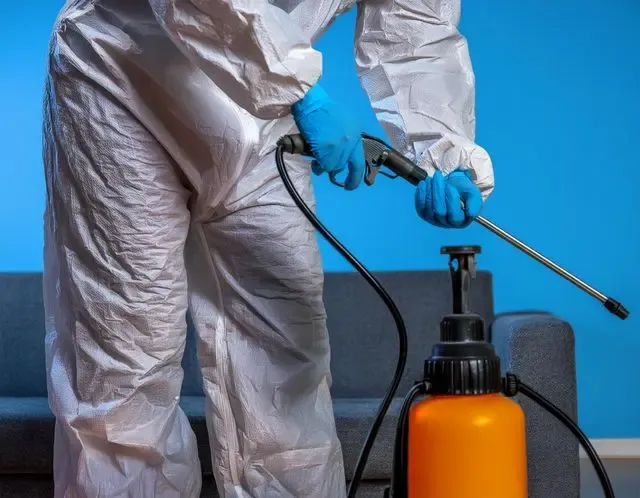
At Blades Pest Solutions, we offer a range of treatment options to effectively eliminate flea infestations. Depending on the severity and location of the problem, one or more of the following methods may be recommended: Insecticidal Sprays: These sprays are designed to kill adult fleas on contact and have a residual effect to target any emerging larvae. We apply these treatments to carpets, furniture, and other areas where fleas are likely to be present. Insecticidal sprays are a quick and effective solution for reducing the flea population in your home. Fogging: For widespread infestations, fogging may be recommended. This involves using a fogger that releases a fine insecticidal mist into the air, reaching into cracks, crevices, and other hard-to-reach areas. Fogging is effective at killing fleas throughout an entire room but requires temporary evacuation of the treated area. Heat Treatment: In some cases, heat treatment can be used to eliminate fleas. This method involves raising the temperature in infested areas to levels that are lethal to fleas, eggs, and larvae. Heat treatment is particularly useful for treating large areas or sensitive environments where chemical treatments may not be suitable. Ongoing Monitoring: After initial treatment, we offer ongoing monitoring to ensure the infestation is fully resolved. This may include follow-up inspections and the use of flea traps to detect any remaining fleas. Regular monitoring is crucial, especially in homes with pets, to prevent reinfestation.
Our expert advice
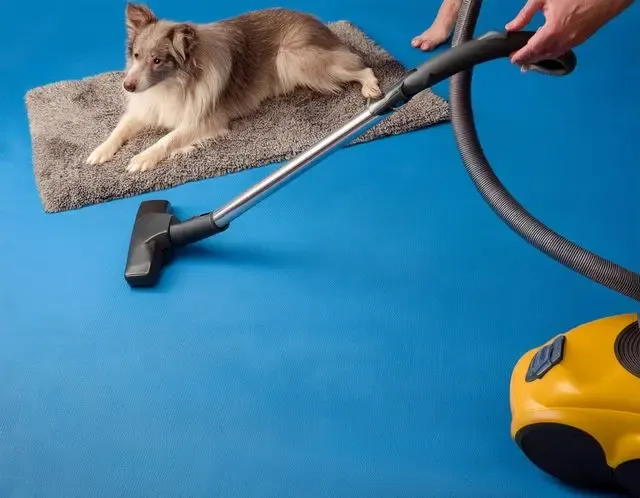
Blades Pest Solutions offers the following advice to help you manage and prevent flea infestations: Act Quickly: Fleas reproduce rapidly, laying up to 50 eggs per day. Early intervention is crucial to prevent a small infestation from becoming a larger problem. Treat Pets and Home Simultaneously: Fleas often infest pets and their surroundings. It’s important to treat your pets with vet-recommended flea treatments while also addressing the infestation in your home. Regularly wash pet bedding, vacuum carpets, and clean areas where pets spend time. Maintain Hygiene: Regular vacuuming and cleaning are essential to remove fleas, eggs, and larvae from your home. Pay special attention to carpets, rugs, upholstered furniture, and cracks in floorboards, as these are common hiding spots for fleas.
Keep them away
How to prevent fleas
To prevent flea infestations, regularly treat pets with flea control products and maintain a clean living environment with frequent vacuuming and washing of pet bedding.
Did you know
Flea facts
Rapid Reproduction: Fleas can lay up to 50 eggs per day, quickly leading to a significant infestation if not promptly addressed. Host Dependent: Fleas are parasitic insects that feed on the blood of their hosts, primarily cats, dogs, and occasionally humans. Life Cycle: Fleas go through four life stages: egg, larva, pupa, and adult. The adult stage is the most noticeable, but the eggs and larvae are often hidden in carpets, pet bedding, and other areas. Disease Carriers: Fleas can transmit diseases, including tapeworms to pets and, in rare cases, murine typhus to humans. They also cause severe itching and discomfort.

UK seasonality
When are fleas most active in the UK?
Fleas are active year-round in UK homes because central heating maintains the warm, humid conditions their life cycle requires, but outdoor and seasonal patterns still drive demand. January to March: activity is generally lower outdoors, but heated homes allow indoor populations and dormant pupae to persist; infestations brought in during autumn can still be developing. April to May: as temperatures rise, the breeding cycle accelerates and the first noticeable seasonal increase begins, often linked to greater pet movement outdoors and contact with wildlife such as hedgehogs, foxes and rodents. June to August: peak season - warmth and humidity allow the egg-to-adult cycle to complete in as little as two to three weeks, producing rapid population explosions; this is the busiest period for call-outs. September to October: another strong peak as people return from summer holidays and as the first cold weather drives pets and wildlife (and their fleas) indoors. November to December: outdoor activity tails off, but homes that became infested in autumn often see continued problems, and the central heating "false spring" can trigger mass emergence of pupae that have been waiting dormant in carpets. Because pupae can remain dormant for weeks or months and only hatch when triggered by heat, vibration and CO2, infestations frequently appear out of season, which is why year-round vigilance is recommended.
The law
UK law & flea control
There is no specific legislation protecting fleas, so there are no restrictions on their control in the UK. However, professional treatment is governed by wider law. Any insecticides we use are approved under the Control of Pesticides Regulations 1986 and the Biocidal Products Regulation, and must be applied strictly in accordance with their product label and authorisation. As an RSPH-qualified company, Blades Pest Solutions follows the Control of Substances Hazardous to Health (COSHH) Regulations 2002, carrying out a risk assessment before treatment and using products only in the manner for which they are approved. Where a flea infestation in rented accommodation arises from disrepair or affects the tenant's right to quiet enjoyment, landlords may have obligations under the Homes (Fitness for Human Habitation) Act 2018 and the Environmental Protection Act 1990 (statutory nuisance provisions). Note that the protections sometimes associated with other pests (such as bats under the Wildlife and Countryside Act 1981, honey bee relocation, or CRRU rodenticide stewardship for rats and mice) do not apply to flea control.
Pricing
What affects flea control cost?
A flea treatment quote is shaped by several factors rather than a fixed price. Key drivers include: the size of the property and the number of rooms or areas requiring treatment, as larger or multi-storey homes take longer and need more product; the severity and age of the infestation, since well-established populations with eggs and pupae throughout the carpets demand more thorough work and almost always a follow-up visit; the type of treatment method selected (residual insecticidal spray, fogging, or heat treatment), with heat treatment typically costing more due to specialist equipment; the amount of floor covering and soft furnishings, as extensive carpeting, rugs and upholstery provide more harbourage and increase application time; the presence of pets, which requires coordinated veterinary flea treatment and may extend the programme to prevent reinfestation; ease of access and the need to move or clear furniture before treatment; whether a single visit or a multi-visit programme with monitoring is required to break the full life cycle; and the property type and location, including any travel considerations. We also account for preparation requirements (such as vacuuming and washing bedding) and any guarantee or follow-up inspection included in the service.
Local engineers
Flea control near you
We provide local flea control across the region, including:
Advice & guides
Flea advice & guides
Practical, expert reading on dealing with fleas - from spotting the signs to safe, lasting treatment.
Health & Safety
Are Fleas Dangerous to Humans & Pets?
Fleas are rarely life-threatening, but their bites cause real misery, can trigger allergic dermatitis and transmit tapeworm to pets and children. Here's the honest picture of the risks and what to do about them.
Read guideIdentification
Bed Bugs vs Fleas: Bites & Identification
Bed bugs and fleas both bite at night and hide in soft furnishings, but they need very different treatment. Here is how to tell which one you really have so you can act fast.
Read guideCosts & Pricing
How Much Does Flea Treatment Cost?
There's no honest one-size-fits-all price for flea treatment. Here's exactly what drives the cost of professional flea control so you know what to expect before you call for your free price.
Read guidePests
How to Get Rid of Bed Bugs: Signs, Bites & Treatment
How to spot bed bugs early, recognise the bites, and why professional heat and targeted treatment clears them when shop sprays and foggers fail. Discreet, fast help across Suffolk and beyond.
Read guidePests
How to Get Rid of Fleas in Your Home
Itchy bites around your ankles and a scratching pet usually mean fleas have moved in. Here's how to spot an infestation early, why DIY sprays so often fail, and the fastest, safest way to clear fleas for good.
Read guide
FAQs
Flea control FAQs
- How do I get rid of fleas fast?
- The fastest, most reliable route is a professional treatment. Blades Pest Solutions uses RSPH-qualified methods to eliminate fleas at source, with same-day and 24/7 emergency appointments. Call 0800 037 7358.
- What are the signs of a flea infestation?
- Common indicators of a flea infestation include: pets scratching, biting or grooming themselves excessively, particularly around the base of the tail, belly and hindquarters; clusters of small, itchy red bites on humans, most often around the ankles and lower legs. Adult fleas (around 2-3 mm, dark reddish-brown) may be seen moving quickly through pet fur or jumping from carpets and soft furnishings.
- Are fleas dangerous to health?
- Flea bites are the most common health issue and typically appear as small, intensely itchy red papules, usually clustered around the ankles and lower legs. Scratching can break the skin and lead to secondary bacterial infection.
- How much does flea control cost?
- A flea treatment quote is shaped by several factors rather than a fixed price. Key drivers include: the size of the property and the number of rooms or areas requiring treatment, as larger or multi-storey homes take longer and need more product; the severity and age of the infestation, since well-established populations with eggs and pupae throughout the carpets demand more thorough work and almost always a follow-up visit; the type of treatment method selected (residual insecticidal spray, fogging, or heat treatment), with heat treatment typically costing more due to specialist equipment; the amount of floor covering and soft furnishings, as extensive carpeting, rugs and upholstery provide more harbourage and increase application time; the presence of pets, which requires coordinated veterinary flea treatment and may extend the programme to prevent reinfestation; ease of access and the need to move or clear furniture before treatment; whether a single visit or a multi-visit programme with monitoring is required to break the full life cycle; and the property type and location, including any travel considerations.
- Are your flea treatments safe for children and pets?
- Yes. As a RSPH-qualified contractor we follow industry best practice and apply targeted treatments responsibly, so your family and pets stay safe.
- How quickly can you treat a flea problem?
- We offer same-day appointments and 24/7 emergency response for urgent flea infestations across our coverage area. Fully licensed & insured.
Got fleas? We'll sort it - fast.
Speak to a local, RSPH-qualified engineer now. 24/7 emergency cover and same-day response.
Free quote · Same-day · 24/7 emergency