
5 min read · Blades Pest Solutions
Autumn is the busiest season of the year for rodent call-outs across Suffolk and north Essex. As temperatures fall and outdoor food becomes scarce, rats and mice abandon hedgerows, fields and gardens and head indoors - into lofts, cavity walls, kitchens and outbuildings - looking for warmth, shelter and an easy meal before winter. The smart move is to proof your property now, while the weather is still mild and before numbers build. Acting on the very first signs is faster, cheaper and far more effective than tackling a well-established infestation in January. For the full year-round picture, see our seasonal pest calendar for Suffolk.
The reason autumn matters so much comes down to timing. Through spring and summer, rodent numbers build outdoors where food is plentiful, even when they are barely visible inside. As the first cold snaps arrive and natural food runs low, that larger population starts testing your home and premises for a way in. A heated building offers everything they need to keep breeding right through winter, so the gaps and habits you address in September and October decide whether you sail through the colder months untroubled or spend them chasing an entrenched problem. A little proofing before winter is the single most cost-effective thing you can do.
Pests active in this season
Two rodents dominate the autumn-to-winter season, and both breed quickly once they find a warm, sheltered home:
- Rats - call-outs rise sharply in autumn and winter as colder weather and dwindling outdoor food drive them indoors into lofts, cavity walls, kitchens and outbuildings. Rats breed rapidly, so a small problem can escalate within weeks. Learn the warning signs in our guide on how to get rid of rats.
- Mice - call-outs climb just as steeply as falling temperatures push mice indoors to nest in warm voids behind kitchen units, in wall cavities and in lofts. Once inside a heated home or business they can breed throughout the year, so a minor problem in October can become a well-established infestation by spring. Our guide on how to get rid of mice covers detection and control.
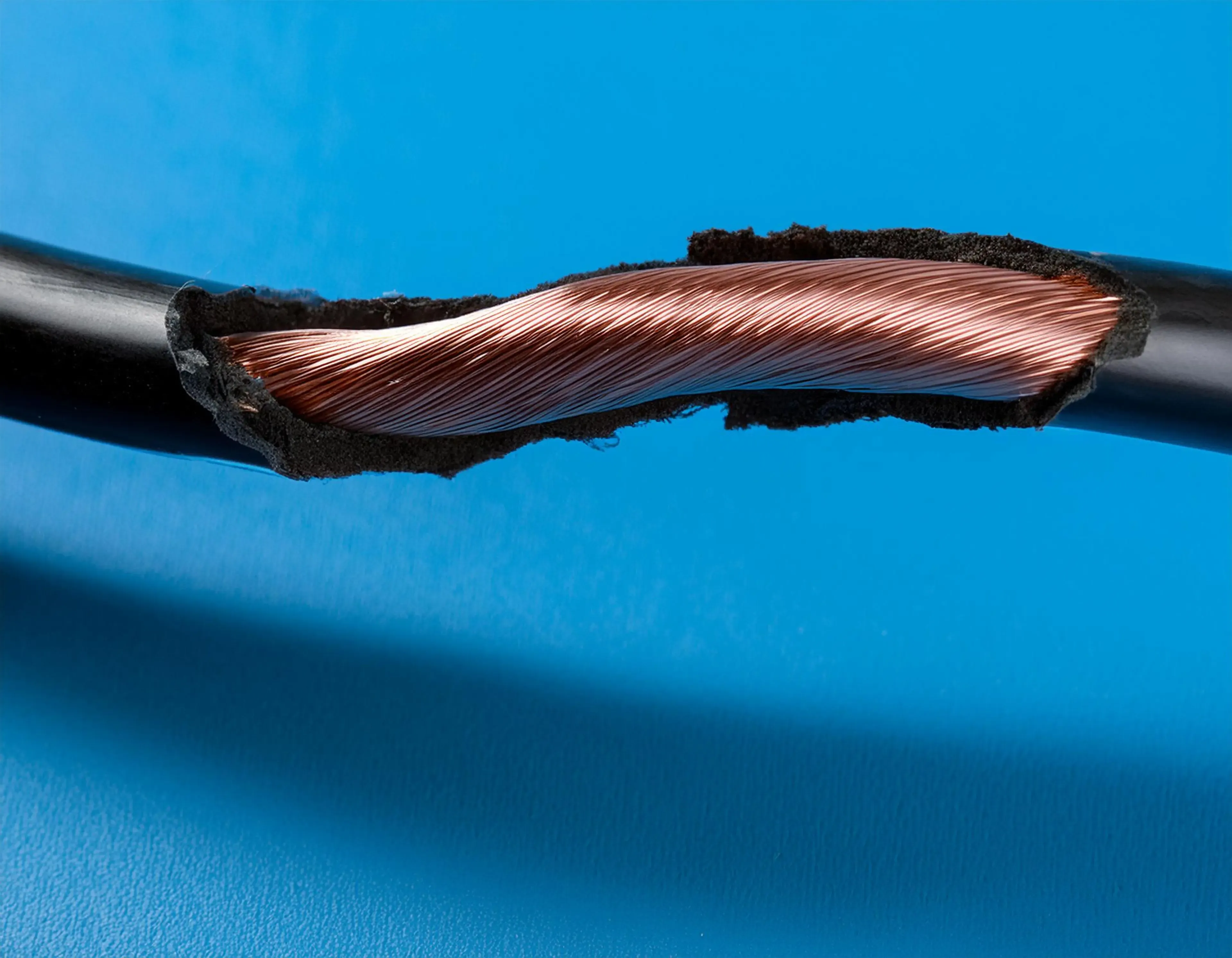
Both species gnaw almost constantly to keep their teeth worn down, chewing through cables, pipework, insulation and stored goods. Damaged electrical wiring is a recognised fire hazard, and rodent damage is frequently excluded from insurance cover - which is exactly why early proofing pays off. They are also a genuine health concern: rats and mice contaminate food, work surfaces and storage areas with droppings, urine and saliva, and can spread bacteria such as salmonella, a common cause of food poisoning. Because mice in particular are constantly on the move and incontinent - a single mouse can leave up to 80 droppings a day - even a small number can render a kitchen or food-prep area unsafe. That makes autumn proofing especially important for food businesses, warehouses storing goods, and care settings with vulnerable residents.
Your seasonal prevention checklist
Work through these practical steps before the cold sets in. They apply equally to homes and to commercial premises such as warehouses, kitchens and care homes:
- Seal entry points. Check walls, floors and foundations for holes and gaps and seal them with durable materials such as steel wool, caulk or metal sheeting. Mice can squeeze through surprisingly small openings, and rats follow gaps around pipes, doors and air bricks.
- Secure all food sources. Store food in airtight containers and clean up spills and crumbs promptly so there is nothing to draw rodents in.
- Reduce clutter. Clear clutter from lofts, basements, garages and storerooms to remove potential nesting sites such as paper, fabric and loft insulation.
- Keep drains in good repair. Rats are strong swimmers and use sewer and drain runs as highways into buildings - broken or open drains are a common route indoors.
- Trim back vegetation. Cut back overgrown plants, shrubs and ivy around the property to remove shelter and entry routes close to the walls.
- Manage waste. Keep bins closed and tidy outdoor areas, decking, sheds and outbuildings where burrows and harbourage can form.
- Watch for the early signs. Dark pellet-shaped droppings along skirting and under sinks, gnaw marks, greasy smear marks on regular runs, scratching or scurrying noises after dark, and a stale, ammonia-like smell all point to activity. Catch it early and treatment is quick.
When to call us
If you have already spotted droppings, gnaw marks or heard scratching in the walls after dark, do not wait for the problem to grow. Shop-bought products rarely clear an established rodent infestation and can be unsafe around children and pets. Our RSPH-qualified, fully insured technicians find the source and entry points, apply targeted control in line with the CRRU UK code of best practice, and - crucially - proof your property so rodents cannot return. We work to a clear, agreed plan and offer same-day and 24/7 response across Suffolk, north Essex and beyond. Call our freephone line on 0800 037 7358 for a free, no-obligation price and let us shut the door on rats and mice before winter.
FAQs
- Why do rats and mice come indoors in autumn?
- As temperatures drop and outdoor food becomes scarce, rats and mice move indoors into lofts, cavity walls, kitchens and outbuildings for warmth and shelter. Call-outs rise sharply through autumn and winter, which is why early proofing matters.
- When should I rodent-proof my home or business?
- Before the cold sets in. Sealing entry points, securing food, clearing clutter and repairing drains in early autumn stops rodents getting established. A small problem in October can become a major infestation by spring if left untreated.
- What are the first signs of an autumn rodent problem?
- Dark pellet-shaped droppings along skirting boards and under sinks, gnaw marks on cables and packaging, greasy smear marks on regular runs, scratching or scurrying noises after dark, and a stale, ammonia-like smell. Acting on the first sign makes treatment faster and more effective.
- How much does rodent control cost?
- Every property and infestation is different, so we never quote a one-size-fits-all figure. Call us on 0800 037 7358 for a free, no-obligation price tailored to your home or business.
- Do you cover commercial premises like warehouses and care homes?
- Yes. Our RSPH-qualified, fully insured technicians work to a clear, agreed plan for homes and businesses alike, including warehouses, kitchens and care homes, with same-day and 24/7 response across Suffolk, north Essex and the wider UK.