
7 min read · Blades Pest Solutions
A single line of ants tracking across the kitchen worktop rarely stays a single line for long. Black garden ants are social insects, and every forager you see has followed a chemical trail laid down by hundreds more behind it. The colony itself, often tucked under a patio, in a wall cavity or beneath the floor, can run to tens of thousands of workers. That is why squashing the ants on the surface never works: you are dealing with a tiny fraction of the problem. Acting early, while the trail is still small and the season is right, is the difference between a quick treatment and weeks of ants returning to the same spot.
Signs of an ant problem
Ants are easy to spot once you know what to look for. The classic indicators are:
- Steady trails of small dark workers running along skirting boards, worktops, window frames and door thresholds, almost always heading toward a food source.
- Small heaps of fine soil or grit pushed up between paving slabs, patio joints or around air bricks, marking the entrance to an underground nest.
- Clusters around food indoors, particularly anything sweet or greasy, around spilled food, pet bowls, bins and sugar stores.
- Flying ants in July and August, when large numbers of winged ants emerge around the building during warm, humid weather. This is a clear sign of a mature, established colony nearby.
The common culprit in Ipswich and across Suffolk and north Essex is the black garden ant (Lasius niger), a small dark species 2 to 15mm long with the typical three body segments, elbowed antennae and narrow waist. Because ants communicate through chemical pheromone trails, a few scouts that find food will quickly recruit a steady stream of workers along the same route, which is why a problem that looked minor on Monday can be a marching column by the weekend. Spotting that first trail and dealing with it is far easier than waiting until ants are appearing in several rooms.
Why ants are a risk
For the common black garden ant, the direct health risk is genuinely low: they do not sting and they do not transmit disease in any meaningful way. The real problem is contamination. As ants forage they travel across bins, drains and the ground before they reach your food and surfaces, and they carry whatever they pick up along the way. In a home that is an unpleasant hygiene issue. In a kitchen, cafe, bakery or any food business it is a serious food-safety concern that can put you at odds with the inspector.
A far more serious species is the Pharaoh ant, a tiny tropical ant that survives only in heated buildings such as hospitals, care homes, hotels and blocks of flats. It is a recognised carrier of pathogens including Salmonella, Staphylococcus and Pseudomonas, and can contaminate sterile dressings and medical equipment. Ants of all kinds will also nest in electrical fittings and insulation, occasionally causing faults, though unlike wood-boring insects they do not damage the structure of a building. The honest summary is that ants are a contamination and nuisance pest rather than a danger to your safety, but in food and healthcare settings that contamination matters a great deal.
Can you get rid of ants yourself?
You can take useful first steps yourself, and they are worth doing. Keeping kitchens and dining areas clean, wiping up spills and crumbs promptly, storing food and pet food in airtight containers, and sealing the cracks and gaps that ants use to get in will all make your home less attractive and slow an infestation down. These measures are the foundation of long-term control.
Where DIY falls down is on the colony itself. Shop-bought ant sprays kill the foragers you can see and nothing else. They leave the nest, the queen and the brood completely untouched, so the colony simply sends out fresh workers and the trail reappears within days. Worse, some sprays cause the colony to fragment and bud into several smaller nests, turning one problem into many. Without finding and treating the nest you are only ever managing the symptom. That is why so many people spray week after week and never get on top of it. It does not help that nests are rarely where you expect: a colony can sit in soil under a patio, inside a cavity wall, beneath a floor or behind a kitchen unit, with only the foraging trail visible. Tracking a trail back to a nest that turns out to be in a wall void is difficult and often unsafe to treat with consumer products, and getting it wrong can scatter the colony rather than kill it.
The fastest, safest way to get rid of ants
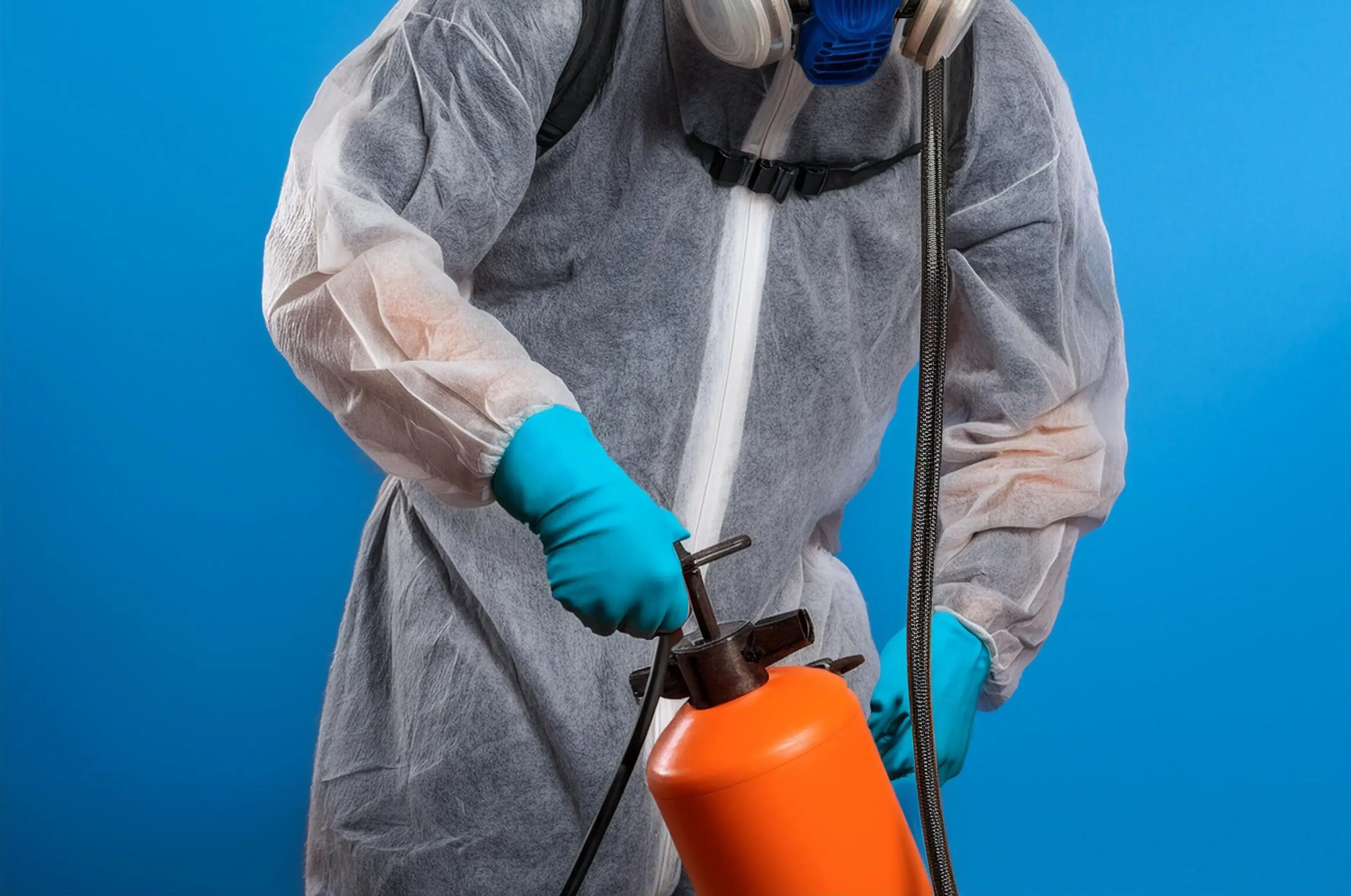
Professional treatment works because it targets the whole colony, not just the ants on the surface. At Blades Pest Solutions we typically use professional-grade gel baits: the ants are attracted to the bait, feed on it and carry it back to the nest, where it is shared through the colony and reaches the queen and brood. We also apply targeted insecticides where appropriate and treat identified nesting sites directly to bring the population down. A technician will trace the trails back to the nest, choose the right method for where the colony actually is, and apply it safely with proper care around food preparation areas, children and pets. Because gel baiting relies on the colony spreading the bait, a follow-up visit is sometimes needed to confirm the nest is fully cleared. You can read more about our ant control service and how we tailor it to your property.
Preventing ants
Once the colony is gone, keeping ants out is largely about removing the food and the access that drew them in:
- Keep kitchens and dining areas clean and clear up spills and crumbs straight away.
- Store food, and pet food, in airtight containers.
- Identify and seal cracks, gaps and holes in walls, floors and around windows and doors.
- Deal with outdoor nests and colonies promptly before they push foragers indoors.
- Keep bins closed and clean, as they are a magnet for foraging workers.
Prevention also has a seasonal rhythm worth knowing. Garden ants are most active from around April or May, when colonies wake and forage hard, with activity peaking in the warm, humid weather of July and August that triggers the flying-ant flights. Outdoor colonies are at their largest in summer, which is exactly when bait is taken back to the nest most effectively, so late spring and summer are the ideal window to treat and proof at the same time. Staying on top of cleanliness and entry points through these months pays off most.
The law on ants
Ants have no specific legal protection in the UK. There is no conservation status to consider and no statutory duty around their control, so they may be treated freely. What the law does require is that any control work uses approved insecticides strictly in line with the product label and the principles of safe, responsible pesticide use, with particular care over food preparation areas, children and pets. For food businesses, ant activity also engages your general food-hygiene obligation to keep premises pest-free under food safety law. Our RSPH-qualified technicians apply professional gel baits and treatments correctly and safely, which protects both your household and your compliance.
Get expert help
If you have seen a persistent trail, found a nest entrance, or spotted flying ants around your building, the quickest route to a clear home is professional treatment. Blades Pest Solutions covers Ipswich, Suffolk and north Essex, plus commercial work across the UK, with same-day and 24/7 availability. Every technician is RSPH-qualified and we are fully insured. We will assess the situation, agree a clear plan with you, and we are confident in our work from the first visit. Late spring and summer are the ideal time to treat, when outdoor colonies are largest and bait is carried back to the nest most effectively, so there is no reason to wait. Call us free on 0800 037 7358 for a free, no-obligation price.
FAQs
- How do I get rid of ants for good?
- Treat the nest, not just the trail. Shop sprays only kill the foragers you can see and leave the queen and colony untouched, so the ants return. Professional gel baiting is carried back to the nest and clears the whole colony. Blades offers same-day and 24/7 call-outs.
- Why do ants keep coming back after I spray them?
- Ant sprays only kill the workers on the surface. The nest, queen and brood survive and simply send out fresh foragers within days, so the trail reappears. Some sprays even cause the colony to split into several nests. Treating the nest itself is the only lasting fix.
- Are ants in the kitchen dangerous?
- Common black garden ants do not sting or spread disease in any meaningful way, but as they forage across bins and drains they can contaminate food and surfaces. That is a real hygiene concern at home and a food-safety issue for cafes, bakeries and restaurants.
- What are the flying ants in summer?
- In July and August mature colonies release winged ants for their nuptial flights, usually in warm, humid weather. Large numbers around your building are a sign of an established nest nearby and a good prompt to get the colony treated.
- How much does ant control cost?
- It depends on the size of the infestation, the type of property and how many visits are needed. We do not quote a fixed figure online because every situation is different. Call us free on 0800 037 7358 for a free, no-obligation price.