
6 min read · Blades Pest Solutions
Few pests cause as much worry as bed bugs. They feed on your blood while you sleep, breed quickly, and are notoriously good at hiding, which is exactly why an infestation can take hold before you realise anything is wrong. The good news is that bed bugs are entirely treatable, but the longer they go unchecked the further they spread and the harder they are to clear. Acting at the first sign is the difference between a contained, discreet treatment and a problem that travels from room to room.
Signs of a bed bug problem
The clearest early warning is waking with itchy bites, but the bites alone do not prove an infestation, so it pays to look closely for the physical evidence. Bed bugs are flat, oval, reddish-brown insects roughly the size of an apple pip, and they hide during the day, so you are far more likely to spot the traces they leave than the bugs themselves.
- Bites - small, red, itchy welts, often in a line or cluster on skin exposed during sleep such as the arms, neck and shoulders.
- Dark spots - tiny brown or black marks (digested blood) along mattress seams, the headboard, bed frame joints and skirting boards.
- Blood smears - small rust or red stains on sheets and pillowcases where a bug has been crushed.
- Shed skins and eggs - pale cast skins from moulting young, plus clusters of tiny white eggs near sleeping areas.
- A musty odour - a heavier infestation can give off a distinctive sweet, almond-like smell.
- Live bugs - visible in cracks and crevices in established cases.
Why bed bugs are a risk
Reassuringly, the NHS confirms bed bugs are not known to spread disease to humans, so the danger is irritation and distress rather than infection. That does not make them harmless. Their bites can be intensely itchy and, in some people, trigger raised rashes, welts or eczema-like reactions, and persistent scratching can break the skin and lead to a secondary infection. Severe allergic reactions are possible but rare, and allergens from their droppings and shed skins can aggravate asthma in sensitive people.
The bigger toll is often psychological. Living with an infestation commonly causes serious sleep loss, anxiety and a sense of stigma. Bed bugs do not damage the building, wiring or food, so the property itself is safe, but for businesses the picture is different. For hotels, hostels, B&Bs and lettings a single complaint or online review can do real reputational and financial harm, which is why a fast, discreet response matters so much in hospitality.
Can you get rid of bed bugs yourself?
There are sensible steps you can take, and they genuinely help reduce numbers and support a professional treatment. Inspect bedding regularly, vacuum carpets, upholstery and along baseboards to lift bugs and eggs, and wash bed linen, pillowcases and clothing in hot water before drying on a high heat, which kills bugs at all life stages. Reducing clutter around the bed removes hiding places and makes any treatment far more effective.
Where DIY falls down is in finishing the job. Bed bugs hide in an enormous range of places, from mattress seams and bed frame joints to behind wallpaper and skirting, so the bugs you can see are rarely the whole population. They also reproduce fast, laying up to five eggs a day, which means even a few survivors can rebuild quickly. Crucially, many bed bug populations have developed resistance to the insecticides found in shop-bought sprays, so these products often simply fail to kill them. Foggers and bombs are worse still: they only treat exposed surfaces and can scatter a population into neighbouring rooms, spreading the very problem you are trying to stop. DIY can buy time, but on its own it rarely clears an established infestation.
The fastest, safest way to get rid of bed bugs
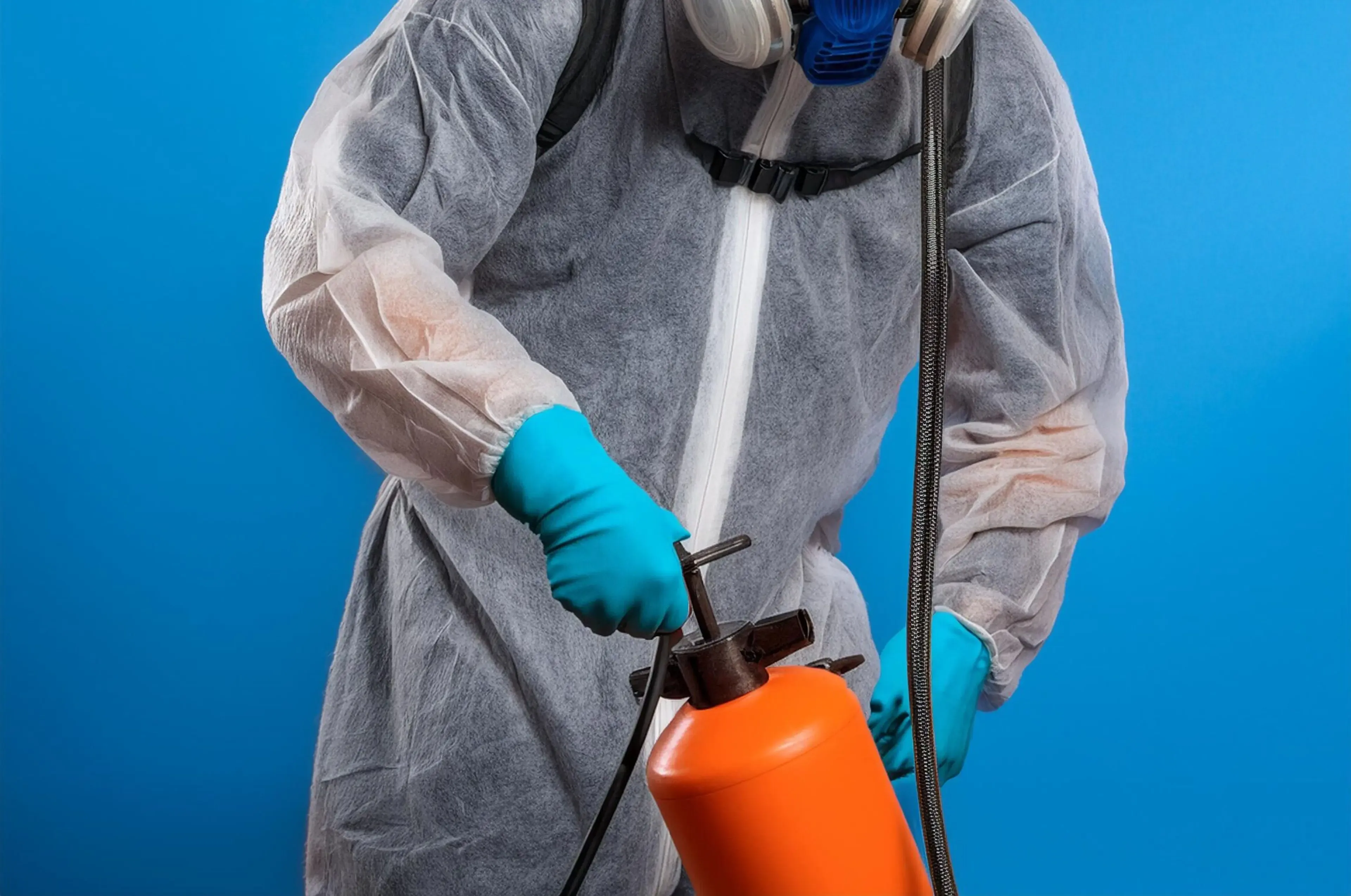
Professional treatment is faster and far more reliable because it reaches the hidden harbourage that sprays miss and is built around how bed bugs actually live and breed. Through our bed bug control service, our RSPH-qualified technicians draw on several proven methods, matched to the severity of your case. Heat treatment raises the temperature across infested areas to a level bed bugs cannot survive at any life stage, including the eggs, and is especially effective for severe or widespread infestations. Where targeted control is more appropriate, we apply approved insecticides and steam directly into the cracks and crevices where bugs shelter, using products that are effective yet safe for use in homes. We then set up bed bug monitors to track activity and confirm the treatment has worked, because established infestations usually need a programme of two or more visits to fully break the breeding cycle. We carry out this work discreetly and with minimal disruption, and we will explain how to prepare your rooms so the treatment is as effective as possible.
Preventing bed bugs
Once an infestation is cleared, a few habits keep them from coming back. Bed bugs are exceptional hitchhikers, so most prevention is about catching them before they settle in.
- Regularly inspect and clean bedding and upholstery, paying attention to seams and joints.
- Reduce clutter around beds and sleeping areas to limit hiding spots.
- Check luggage, headboards and upholstered furniture after travelling or staying away.
- Be cautious with second-hand furniture and mattresses, and inspect them thoroughly before bringing them indoors.
- Stay alert from late spring through early autumn, when warmer weather and holiday travel make bed bugs most active.
Worth knowing: bed bugs are an indoor, year-round pest in the UK because central heating keeps homes at the 20 to 22C they thrive in, so they never truly die off in winter. Activity peaks from roughly May to September, but because they breed quickly at any time of year, treatment should never be put off until "next season" - prompt action limits how far an infestation can spread.
The law on bed bugs
Bed bugs have no specific statutory protection in the UK and can be controlled at any time of year. However, all treatments must follow the safe, responsible and approved use of pesticides under COSHH and the relevant control of pesticides regulations, with product label instructions followed by law. This is one reason professional treatment is so strongly recommended, as we use approved insecticides, steam and heat methods correctly and follow the recognised industry Code of Best Practice for bed bug management. Landlords have additional duties: under the Housing Act 2004 and the Homes (Fitness for Human Habitation) Act 2018, rented homes must be fit for human habitation, and councils can require landlords to deal with infestations.
Get expert help
If you have spotted the signs, do not wait - bed bugs only spread further the longer they are left. Blades Pest Solutions offers same-day and 24/7 bed bug treatment across Ipswich, Suffolk and north Essex, with commercial cover available UK-wide. We are RSPH-qualified, fully insured, and discreet, and we agree a clear plan with you from the outset so you know exactly what happens at each visit. We are confident in our work and back it with monitoring to confirm the bugs are gone. To get started, call us on 0800 037 7358 for a free, no-obligation price.
FAQs
- How do I get rid of bed bugs fast?
- Professional treatment is the fastest, most reliable route. Bed bugs hide deep in mattress seams, frames and skirting, and many have become resistant to shop sprays, so a single DIY attempt rarely works. Our RSPH-qualified technicians use heat and targeted insecticide, plus monitoring to confirm the bugs are gone. Call us on 0800 037 7358 for a free, no-obligation price.
- What do bed bug bites look like?
- Bed bug bites usually appear as small, red, itchy welts, often in a line or cluster on skin exposed during sleep such as the arms, neck and shoulders. The bites alone do not confirm an infestation, so check mattress seams and the bed frame for dark spots, blood smears and shed skins.
- Are bed bugs dangerous?
- Bed bugs are not known to spread disease to humans. The main problems are very itchy bites, possible skin infection from scratching, and significant sleep loss, anxiety and stigma. For hotels, B&Bs and lettings they also carry a real reputational and financial risk.
- Why don't shop-bought sprays and foggers work on bed bugs?
- Many bed bug populations are now resistant to common insecticides, and foggers only reach exposed surfaces while the bugs sit deep inside seams, joints and behind skirting. Foggers can also scatter a population into neighbouring rooms, making the problem worse. Professional heat and targeted treatment reaches the harbourage that sprays miss.
- How much does bed bug treatment cost?
- It depends on the severity and spread of the infestation, the size of the property and how many rooms are affected, as established cases usually need more than one visit. Rather than quote a figure blind, we give a free, no-obligation price after assessing your situation. Call 0800 037 7358.