
6 min read · Blades Pest Solutions
A handful of pigeons on a rooftop looks harmless enough, but feral pigeons are creatures of habit, and once they decide your ledge, sign or warehouse parapet is a good place to roost they keep coming back - and breeding. They raise several broods a year and do not migrate, so a small problem rarely fixes itself. The longer birds are left to settle, the more fouling, mess and damage build up, and the harder and costlier it becomes to clear. Acting early, while the roost is still small, is by far the cheapest and cleanest way to take your building back.
Signs of a pigeon problem
Pigeons leave plenty of evidence long before you notice the birds themselves. Watch for:
- Droppings - thick, white-streaked fouling on ledges, sills, balconies, gutters and signage, often with a sour, ammonia-like smell when wet.
- Nests - messy heaps of twigs and debris in gutters, on flat roofs, under solar panels or in loft spaces.
- Feathers and noise - scattered feathers, constant cooing and the heavy wing-clatter of birds landing and taking off.
- Birds on the rooflines - on commercial premises, pigeons gathering persistently on parapets, rooflines and behind shopfront fascias.
- Blocked gutters - overflowing or blocked downpipes caused by nesting material.
- Young birds - sightings of squabs (young pigeons) or the same birds returning to one ledge point to an established roost rather than passing visitors.
Why pigeons are a risk
The biggest issue with pigeons is what they leave behind. Their droppings can harbour organisms linked to illnesses including ornithosis (psittacosis), salmonella and the fungal infections cryptococcosis and histoplasmosis. Dried droppings break down into a fine dust that can become airborne - a particular concern in poorly ventilated lofts and during clean-ups, which is exactly why fouling should be handled with proper protection rather than a brush and a bin bag.
Pigeons also carry parasites. Bird mites, ticks and fleas live in nests and can move indoors and bite occupants once a nest is disturbed or abandoned, so simply pulling out an old nest can make things worse if it is not done carefully.
Then there is the building itself. Pigeon droppings are acidic and, over time, corrode stonework, paintwork, metalwork and parked vehicles. Nests block gutters and downpipes, leading to damp, overflow and water damage, and nesting debris near flues and electrics is a recognised fire risk. For any business, fouling on walkways, doorways and fire escapes is a genuine slip hazard and a real liability - and on food and retail sites it raises serious hygiene and inspection concerns. To be honest about it, with prompt, properly protected cleaning the actual risk to a healthy person is low; the point is that the problem grows and the liability is real, so it should not be ignored.
Can you get rid of pigeons yourself?
There are sensible first steps a property owner can take, and we would always encourage them. Regularly inspect for signs of activity - droppings, feathers and nesting material - and check the likely roosting spots such as ledges, vents, gutters and rooftops. Cutting off what attracts birds in the first place helps a great deal: remove food sources, clear up spillages, keep waste secured and discourage anyone from feeding them nearby.
Where DIY runs into its limits is everything beyond that. Shop-bought gels, plastic owls and cheap spike strips tend to fail because pigeons are intelligent, persistent and quick to learn that a fake predator never moves. Proofing only works if it is matched to the building and fitted with no gaps - and birds are expert at finding the one ledge or recess you missed. The fouling itself is a job for protective equipment, not a domestic clean, because of the airborne dust and parasites involved. And crucially, you have to stay on the right side of the law: feral pigeons are protected, so you cannot simply trap or harm them or tear down an active nest. For anything more than light deterrence and good housekeeping, a professional assessment is the safe and effective route.
The fastest, safest way to get rid of pigeons
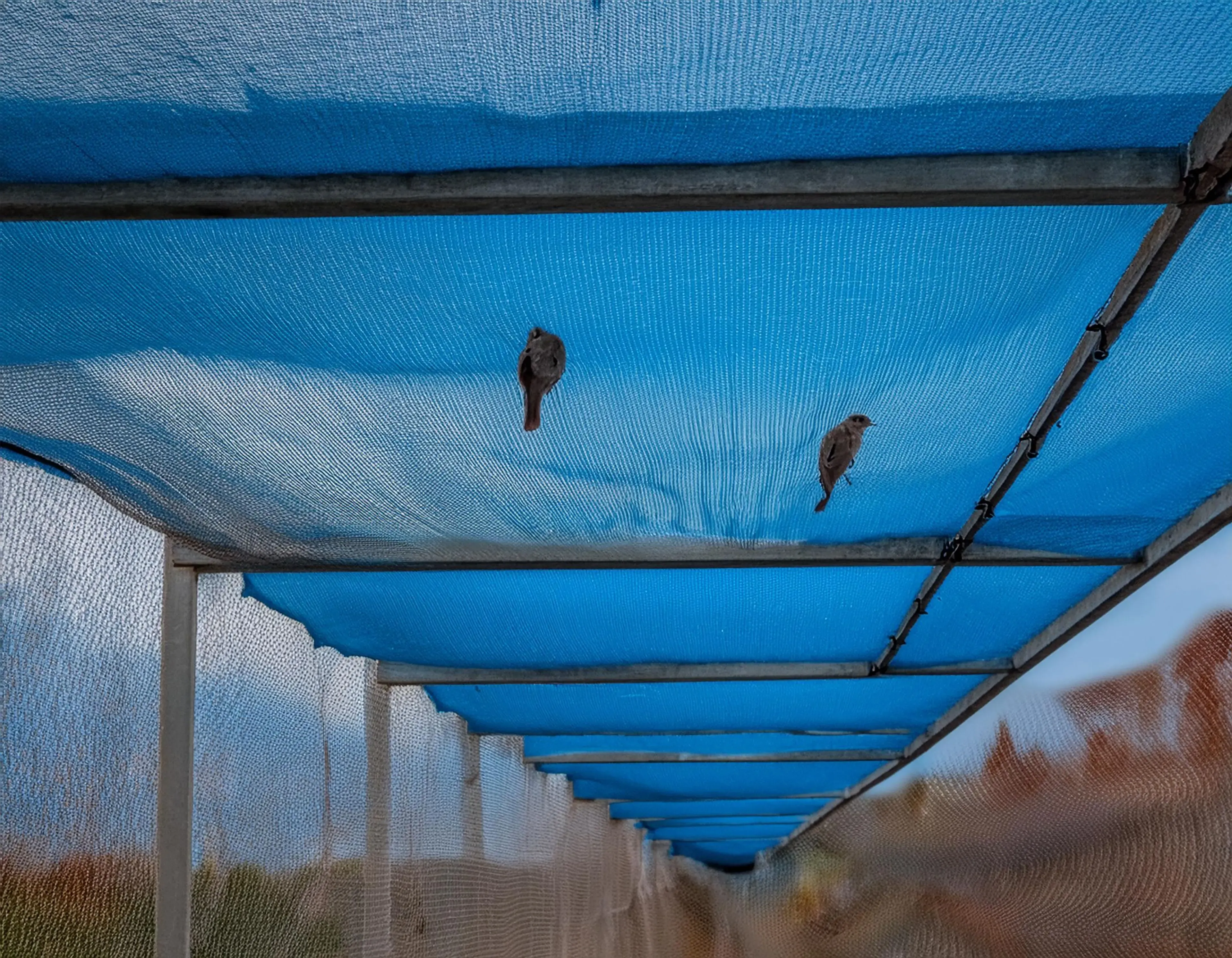
Professional bird control is built around exclusion - making your building a place pigeons physically cannot settle - rather than chasing birds around. A technician first surveys the site to understand where the birds roost and nest and how they are getting in. Existing nests are safely removed and the area is cleaned and disinfected to remove the fouling, dust and parasites that pose the health risk. Then the proofing goes in: netting to seal larger openings, recesses and whole elevations; spikes to deny narrow ledges and sills; and bird wire across parapets, signage and rooflines. Alongside the physical barriers we use deterrents - visual repellents and audio devices - and advise on habitat modification, such as removing perching points and food sources, so the wider area becomes far less attractive in the first place. The result is a building the birds give up on, not one they keep testing. You can see the full scope of our pigeon control service for homes, commercial sites and food premises.
Preventing pigeons
Once a site is clear, the same measures that resolve a problem keep it from returning:
- Seal gaps and openings so birds cannot get into roof voids, lofts and recesses.
- Proof the perches - fit spikes, wire or netting to the ledges, sills and parapets the birds favour.
- Remove food sources and secure bins and waste so there is nothing to draw birds in.
- Keep gutters clear so debris cannot build into a nest site.
- Check after the breeding season - a quick inspection catches any new activity before it becomes a roost.
Timing helps too. Pigeons are active all year and do not hibernate, but spring and summer bring the heaviest nesting, so the quieter colder months are often the best time to install proofing. Because the law restricts disturbing active nests, it pays to book a survey early, before the main breeding season takes hold.
The law on pigeons
This is the part DIY attempts most often get wrong. Feral pigeons are wild birds protected under the Wildlife and Countryside Act 1981, which makes it an offence to intentionally kill, injure or take them, or to damage or destroy an active nest or eggs, except as permitted by law. Lethal control may only be carried out by an authorised person acting under the terms of the relevant Natural England General Licences - for example the public health and safety licence - and only where it is genuinely necessary and non-lethal methods are not effective. From 1 January 2026 these licences are issued by Natural England and run for the calendar year. Because of all this, the most common and law-abiding approach by a wide margin is humane deterrence and exclusion - netting, spikes, wire and other proofing - rather than killing. Blades always works within current General Licence conditions and prioritises proofing and humane deterrents so your pigeon problem is resolved lawfully.
Get expert help
If you have seen the signs, do not wait for the roost to grow. Blades Pest Solutions provides same-day and 24/7 bird control across Ipswich, Suffolk and north Essex, plus commercial sites UK-wide. We are RSPH-qualified, fully insured and we work strictly within the law. We will survey your building, agree a clear plan with you, and we are confident in our work - from cleaning and disinfection through to the right proofing for your site. Call us on 0800 037 7358 for a free, no-obligation price.
FAQs
- How do I get rid of pigeons for good?
- Lasting results come from proofing, not chasing. A surveyor identifies where the birds roost and nest, the site is cleaned and disinfected, then netting, spikes, wire or other deterrents are fitted so the birds can no longer settle. Blades offers same-day and 24/7 call-outs across Suffolk, Essex and the UK.
- Is it legal to get rid of pigeons?
- Feral pigeons are wild birds protected under the Wildlife and Countryside Act 1981, so it is an offence to intentionally kill or injure them or destroy an active nest except as permitted by law. Humane deterrence and proofing - netting, spikes and wire - is lawful and is almost always the right answer. We work strictly within current Natural England General Licence conditions.
- Why are pigeon droppings dangerous?
- Droppings can harbour organisms linked to illnesses such as ornithosis, salmonella and fungal infections, and dried droppings create airborne dust that is a concern during clean-ups. They also create a real slip hazard on walkways and fire escapes and corrode stonework and metal. Cleaning should be done with proper protection.
- Do bird spikes and netting actually work?
- Yes, when they are surveyed and installed correctly for the building and the birds' behaviour. Spikes deny narrow ledges, wire posts deny parapets and signage, and netting seals larger openings and recesses. Badly fitted or DIY proofing leaves gaps the birds simply exploit, which is why a professional survey matters.
- How much does pigeon control cost?
- It depends on the size and height of the building, how soiled the area is, the access needed and the type of proofing chosen, so every job is priced individually. Call Blades on 0800 037 7358 for a free, no-obligation price.