
7 min read · Blades Pest Solutions
Silverfish are easy to ignore at first - a flash of silver darting under the sink when you flick the light on, gone before you look twice. But behind that quiet behaviour is a pest that feeds slowly and persistently on the very things you want to keep: books, photographs, important documents, wallpaper and natural fabrics. Because they breed gradually and hide in cracks you never see, an infestation builds over months. Acting when you first notice them is far easier than tackling a colony that has had a season or two to spread, and it is also the moment to deal with the damp that is almost certainly feeding them.
Signs of a silverfish problem
Silverfish give themselves away in a handful of reliable ways. Look out for the following:
- The insects themselves - small, teardrop-shaped, silvery-grey creatures around 10-19mm long, with long antennae and three bristle-like tails, moving with a distinctive wriggling, fish-like motion when you switch on a light at night.
- Damage to paper and fabric - fine, irregular holes, notched edges and shaved or etched patches on books, wallpaper, cardboard boxes and stored textiles, often with faint yellowish staining.
- Tiny droppings - black, peppercorn-like specks that are easily mistaken for dust or soot.
- Shed skins - small, translucent cast skins gathered in cracks, behind skirting boards or inside damp cupboards.
- Where they gather - bathrooms, kitchens, lofts, basements and under sinks, anywhere dark and humid.
Because silverfish need humidity to survive, repeated sightings are rarely a one-off. They usually point to an underlying damp or condensation problem that needs addressing alongside the pests themselves.
Why silverfish are a risk
Let us be honest about the level of threat here, because scaremongering helps no one. Silverfish pose very little direct risk to people. They do not bite or sting, they are not venomous, and they are not known to transmit any disease to humans or pets. That is genuinely reassuring if you have found them in a child's bedroom or a kitchen cupboard.
The real concern is damage. Silverfish feed on the starch and cellulose in paper, glue and textiles, so they can spoil books, archives, photographs, wallpaper and natural fabrics such as cotton, linen and silk. They will also contaminate dry foods like flour and cereals. Their shed skins and droppings add to household dust allergens and may occasionally aggravate asthma or allergy symptoms in sensitive people. For hotels, libraries and museums the stakes are higher still: collections, guest rooms and irreplaceable documents are exactly the materials silverfish target, and damage often goes unnoticed until it is permanent.
Perhaps the most useful thing a silverfish infestation tells you is this - it is a dependable warning sign of excess damp or condensation, which can itself lead to mould and longer-term building problems if it is left untreated. Treating the pest is also your cue to fix the moisture.
Can you get rid of silverfish yourself?
There are sensible things you can do yourself, and we will always tell you when a problem is small enough to handle. Start by inspecting the high-humidity areas where silverfish thrive - bathrooms, kitchens, basements and lofts - and improving ventilation and drying out those spaces. Reducing moisture genuinely makes a property less hospitable to them. Decluttering cardboard, old paper and stored fabrics removes both their food and their hiding places.
The honest limitation is that shop-bought sprays and traps tend to disappoint. Silverfish hide deep in cracks, wall voids, under floors and behind fitted units, so surface treatments rarely reach the insects that matter, and they do nothing about the eggs tucked away out of sight. Because silverfish breed slowly and live in inaccessible places, a few visible kills can give the false impression of success while the infestation quietly continues. Crucially, most DIY efforts treat the symptom and ignore the cause: if the damp is still there, the silverfish come back. If you keep seeing them despite your best efforts, that persistence is the signal to bring in professional help rather than buying yet another can of spray.
The fastest, safest way to get rid of silverfish
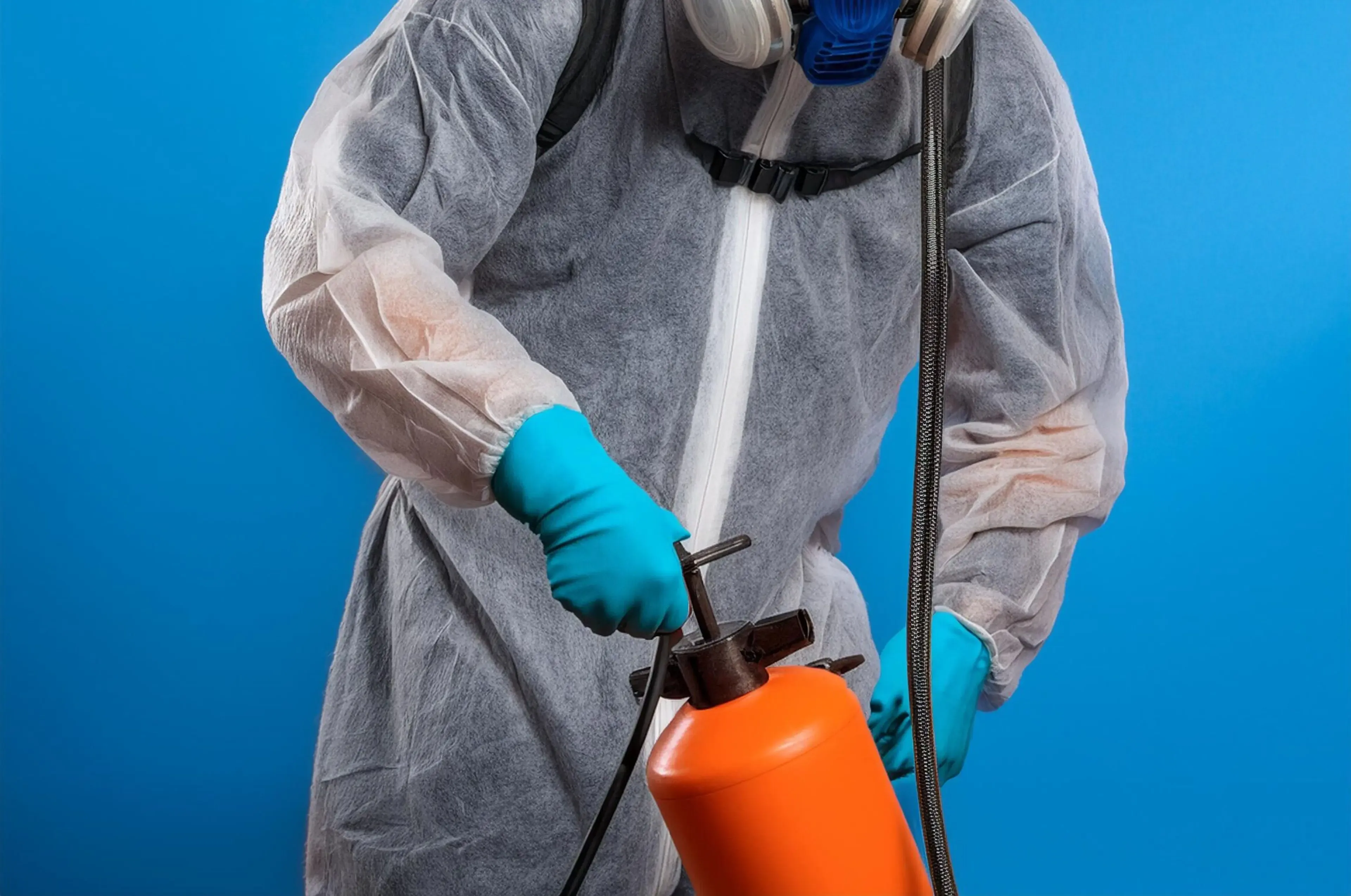
Professional treatment is faster and more dependable because it tackles the problem on two fronts at once. A trained technician treats the places silverfish actually live, using safe, targeted insecticides applied to their hiding spots, along with specific baits that attract and eliminate them. At the same time we address moisture control - reducing humidity and identifying leaks - because that is what makes your property unattractive to silverfish in the first place. Treating the insects without fixing the damp is only ever a short-term fix.
Preparation is simple: make sure the affected areas are accessible and follow any specific instructions our team gives you beforehand. After treatment we will recommend practical steps to keep things dry and prevent a return. Stubborn cases sometimes need a follow-up visit to break the breeding cycle, and we will be straight with you about that from the outset. You can read more about how we work on our silverfish control service page.
Preventing silverfish
Prevention with silverfish is largely about denying them the damp and clutter they depend on. The most effective measures are:
- Keep rooms dry and well ventilated - use extractor fans in bathrooms and kitchens and tackle condensation on cold walls and windows.
- Fix leaks promptly - dripping pipes and slow leaks create exactly the microclimate silverfish need.
- Declutter moisture-prone areas - clear away old cardboard, paper and stored textiles, especially in bathrooms, kitchens, lofts and basements.
- Seal cracks and crevices - closing gaps around skirting, pipework and fitted units removes their hiding and breeding spots.
- Store paper and fabric properly - keep books, documents and clothes in dry, sealed containers rather than damp cupboards.
The law on silverfish
Silverfish have no specific legal protection in the UK. There is no statutory control requirement comparable to the Prevention of Damage by Pests Act 1949 for rodents, and none of the wildlife-protection rules that apply to wild birds, bats or honey bees apply to them. Control is therefore a matter of good practice rather than legal obligation. That said, any insecticide used must be approved for the purpose and applied strictly in line with the product label and UK pesticide regulations - which is exactly why treatment is best left to a trained, qualified technician. Blades follows safe, responsible pesticide use throughout, and we never lose sight of the fact that lasting control depends as much on reducing damp and humidity as on any chemical treatment.
Get expert help
Silverfish are a lower-urgency pest than rats or wasps, but they are persistent, and the damage they do to books, papers and fabrics is often slow, quiet and irreversible. The sooner you act, the easier they are to clear - and the sooner you deal with the damp that is feeding them. Blades Pest Solutions offers same-day and 24/7 call-outs across Ipswich, Suffolk and north Essex, plus commercial cover nationwide. We are RSPH-qualified and fully insured, and rather than make empty promises, we agree a clear plan with you and we are confident in our work. If you have seen the signs, call 0800 037 7358 for a free, no-obligation price tailored to your property.
FAQs
- How do I get rid of silverfish quickly?
- The fastest, most reliable route is professional treatment combined with reducing damp. A technician treats the cracks and voids where silverfish hide, then advises on the moisture problem that is feeding them, so they do not simply return. Blades offers same-day and 24/7 call-outs across Suffolk and north Essex.
- Are silverfish harmful?
- Silverfish do not bite, sting or carry disease, so they pose very little direct risk to people. The real concern is damage to books, documents, wallpaper and natural fabrics, and the fact that a persistent infestation is a clear warning sign of excess damp that can lead to mould if ignored.
- Why do I keep getting silverfish?
- Silverfish thrive on humidity and hide in inaccessible cracks, so they breed quietly over months. Repeated sightings almost always point to an underlying damp or condensation problem. Treating the insects without addressing the moisture usually gives only short-lived results.
- How much does silverfish treatment cost?
- It depends on how widespread the problem is, the size and type of property, and whether any damp-proofing or follow-up visit is needed. Blades always gives a free, no-obligation price tailored to your property. Call 0800 037 7358 to talk it through.
- Can I prevent silverfish coming back?
- Yes. Keeping rooms dry and well ventilated, fixing leaks, decluttering damp-prone areas and sealing cracks all make a property far less attractive to silverfish. We will give you clear, practical prevention advice as part of any treatment.