
Local pest control
Wasp Control in Bucklesham
Bucklesham is a quiet rural village on the Felixstowe peninsula, sitting on the elevated spine between the River Orwell estuary to the south and the Mill River valley to the north — an agricultural landscape of open arable fields, hedgerows, and scattered woodland that creates ideal conditions for persistent pest pressure.
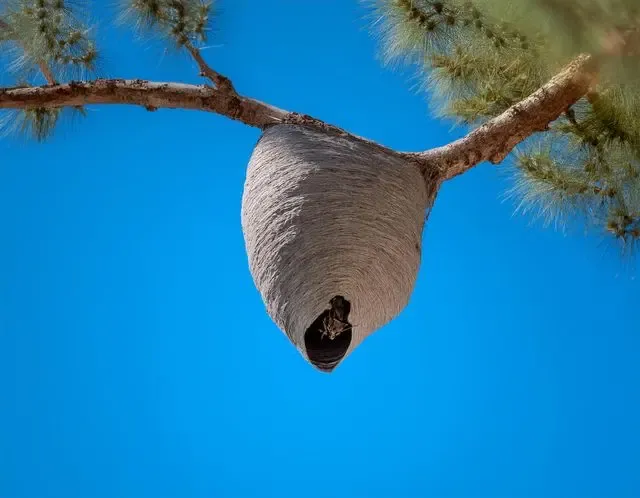
Wasp control in Bucklesham
Fast, local wasp control across Bucklesham
Rural properties with eaves, lofts, sheds and outbuildings, plus mature gardens and hedgerows, provide abundant sheltered nesting sites, making summer wasp nests a recurring problem in this village.
Bucklesham is a quiet rural village on the Felixstowe peninsula, sitting on the elevated spine between the River Orwell estuary to the south and the Mill River valley to the north — an agricultural landscape of open arable fields, hedgerows, and scattered woodland that creates ideal conditions for persistent pest pressure. Farmland adjoining the village brings seasonal surges of rats and field mice, particularly as crops are harvested and rodents seek shelter in gardens, outbuildings, and older properties. Wasp nests establish themselves in roof spaces and garden sheds each summer, and the proximity to neighbouring Foxhall, Levington, and Nacton means pest problems can spread readily across the peninsula's connected farmsteads. Our RSPH-qualified, fully insured engineers cover Bucklesham and the surrounding villages, offering same-day appointments and 24/7 emergency call-outs so that any infestation is dealt with swiftly and professionally.
Our promise
No small print - just confident, honest pest control
No small print, no empty promises. We agree a clear treatment plan and timeframe with you up front - and because every job is carried out by an RSPH-qualified engineer, we're confident enough in the result that return visits are rare.
Identification
How to identify wasps
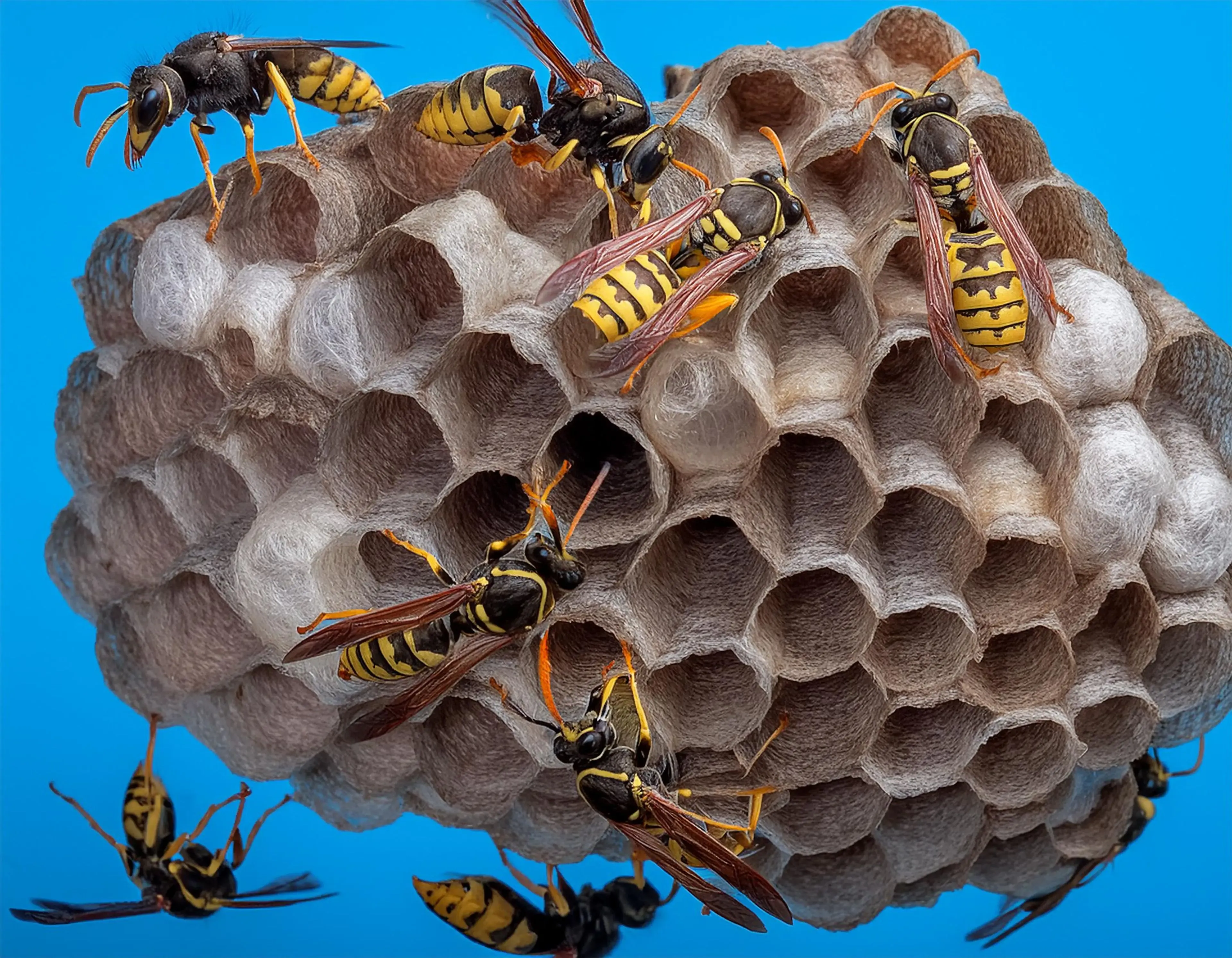
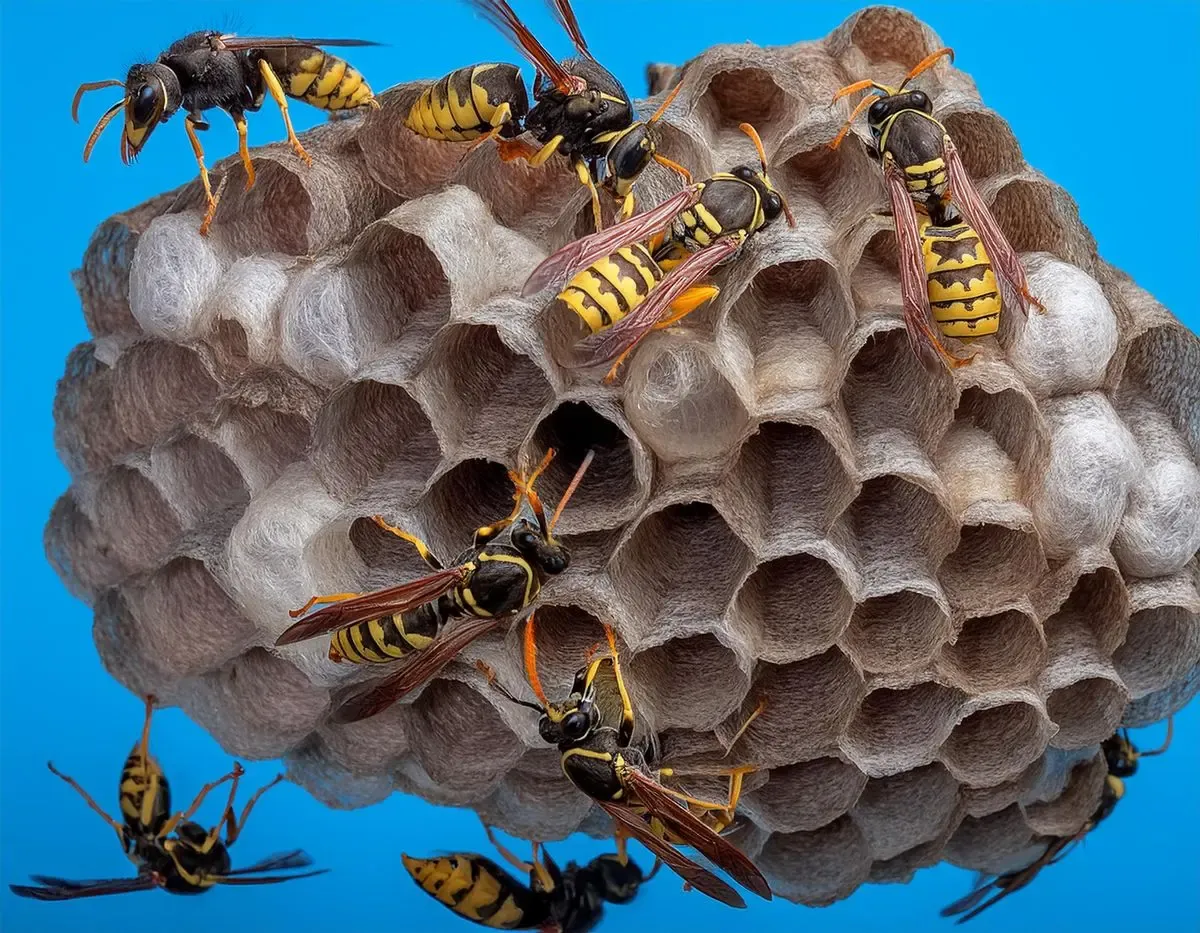
Wasps are typically slender with narrow waists, smooth bodies, and can range from 1-2.5 cm in length. They have two pairs of wings and are usually black or yellow with distinct banding patterns. Common signs of a wasp infestation include: Nests: Visible paper-like nests often found under eaves, in trees, or in wall cavities. Swarming: Increased wasp activity around food, sweet drinks, or nesting sites. Stings: Painful stings, particularly when a nest is disturbed. Wasps are most active during the warmer months and can become aggressive when their nests are threatened.
Warning signs
Signs of wasps in Bucklesham homes
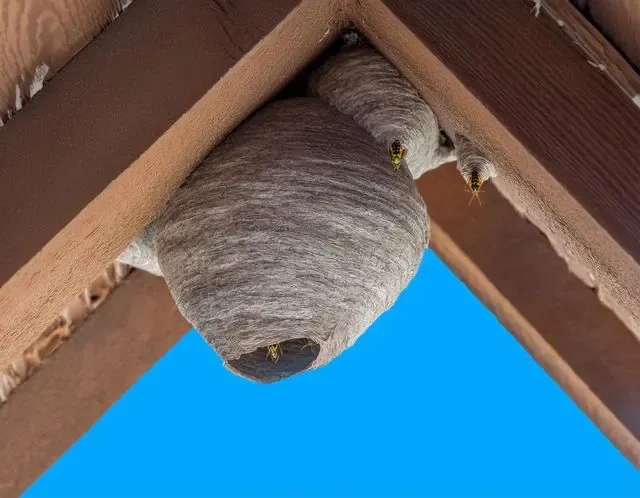
Key signs of a wasp infestation include: a visible papery, grey nest, ranging in size from a golf ball in spring to a football or larger by late summer, often sited under eaves, in lofts and roof spaces, wall cavities, sheds, garages, garden bushes or even underground in banks and old burrows. A steady stream of wasps flying to and from a single point on the building, such as a gap in the soffit, a vent or a roof tile, is a strong indicator of a hidden nest, even when the nest itself cannot be seen. Other signs are a noticeable increase in wasp numbers indoors or around the garden, a faint chewing or rustling sound coming from a wall or ceiling void, and scraped or rasped areas on untreated timber such as fences and sheds where wasps gather wood pulp for nest building. Aggressive or defensive behaviour, particularly clustering and repeated approaches when you are near a particular spot, suggests a nest is close by. In late summer, a surge of wasps around bins, fallen fruit, outdoor food and sweet drinks often signals a large, mature nest nearby.
Why it matters
Health & property risks
The primary health risk from wasps is their sting, which delivers venom and causes immediate sharp pain, redness and localised swelling. Unlike honey bees, wasps do not lose their sting and can sting repeatedly, and a disturbed nest can result in multiple stings from many individuals. For most people a sting is painful but not dangerous; however, a significant minority can develop a severe allergic reaction (anaphylaxis), which is a medical emergency requiring immediate treatment and a call to 999. Symptoms of a serious reaction include difficulty breathing, swelling of the face, lips, throat or tongue, a widespread rash, dizziness and collapse. Stings to the mouth or throat, for example after a wasp enters a drinks can, are especially hazardous because swelling can obstruct the airway. Secondary infection of a scratched sting site is also possible. There is a heightened risk for people working at height or on ladders, where the shock of a sting can cause a fall. Attempting DIY removal of a nest is a common cause of mass stinging incidents, which is why professional treatment is strongly advised.
Got wasps in Bucklesham? Let's sort it today.
Speak to a local, RSPH-qualified engineer now. Same-day wasp appointments and 24/7 emergency cover across Bucklesham.
Free quote · Same-day wasp treatment in Bucklesham · 24/7
Our treatment
How we treat wasps in Bucklesham
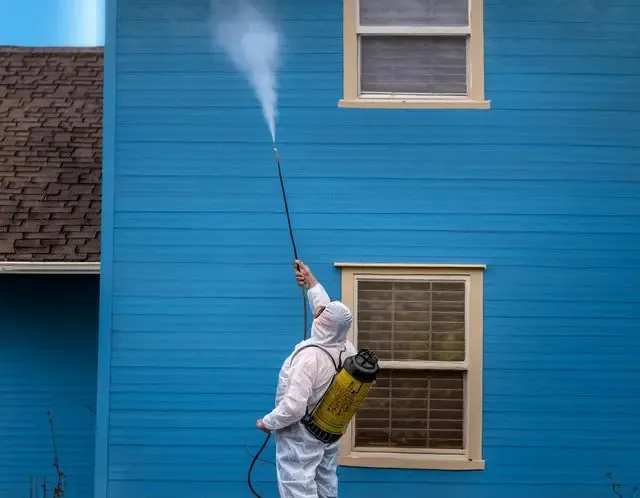
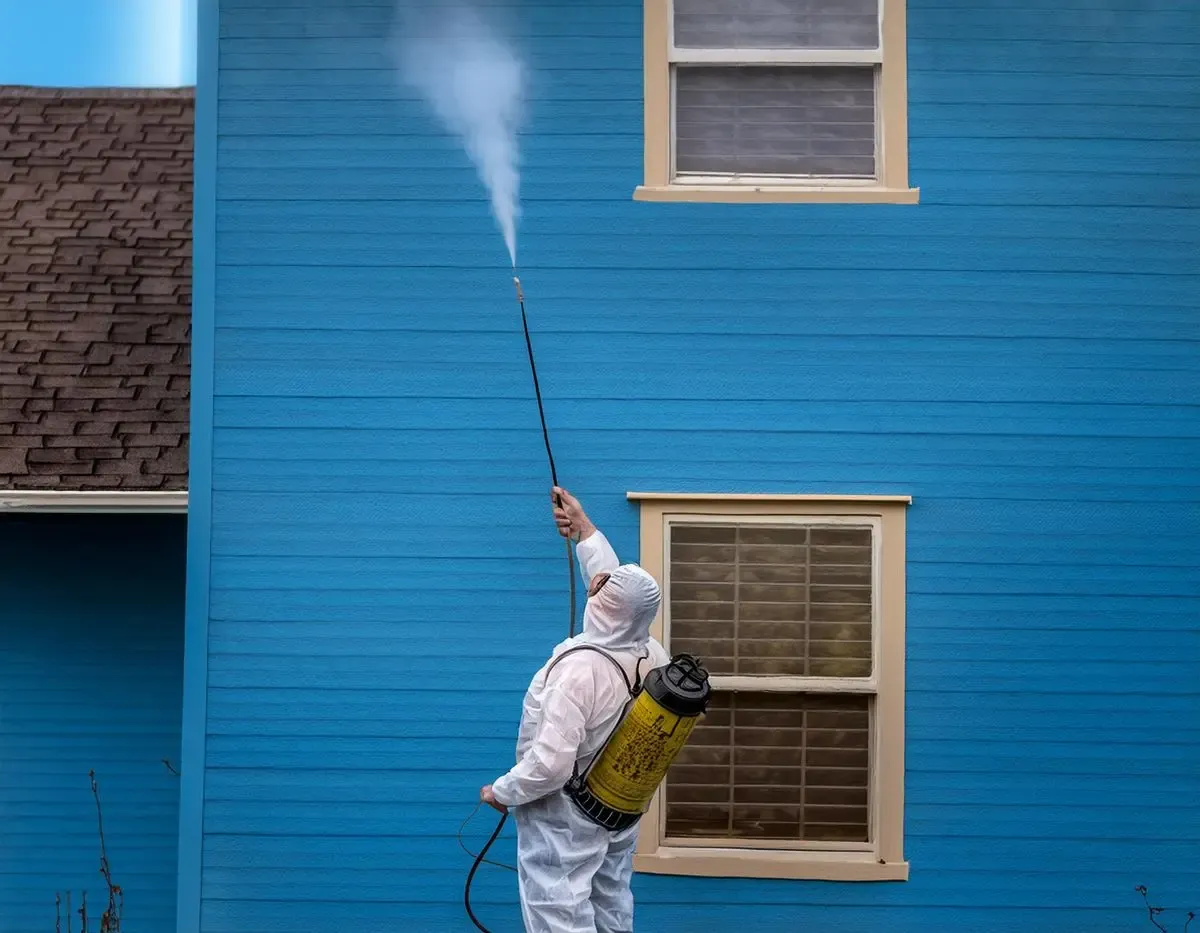
Blades Pest Solutions can use these effective treatment methods to handle wasp infestations: Nest Removal: Safely remove wasp nests to eliminate the source of the problem. Insecticides: Apply targeted insecticides to eradicate wasps and prevent re-establishment of nests. Preventative Measures: Provide advice on preventing future wasp infestations by securing potential nesting sites.
Our expert advice
At Blades Pest Solutions, we recommend a careful approach to managing wasps: Avoid Disturbance: Do not disturb wasp nests as this can provoke aggression. Secure Food Sources: Keep food and drink covered when eating outdoors to reduce attraction. Seal Entry Points: Close off any potential entry points into your home, such as gaps in windows and doors. Dispose of Waste Properly: Ensure rubbish bins are tightly sealed and clean up spills promptly.
Keep them away
How to prevent wasps in Bucklesham
To prevent wasps, avoid leaving food and drinks uncovered outdoors, seal potential entry points into your home, and properly dispose of waste to reduce attractants.
Did you know
Wasp facts
Aggressive Defenders: Wasps can become aggressive and sting repeatedly if they feel their nest is threatened. Beneficial Insects: While often seen as pests, wasps can help control other insect populations by preying on them. Seasonal Activity: Wasps are most active in late summer and early autumn when their search for food intensifies. Nest Construction: Wasps build nests from chewed wood fibres mixed with saliva, creating a papery structure. Varied Diet: Wasps are attracted to sweet foods but also feed on other insects, making them both a nuisance and a natural pest control.
UK seasonality
When are wasps most active?
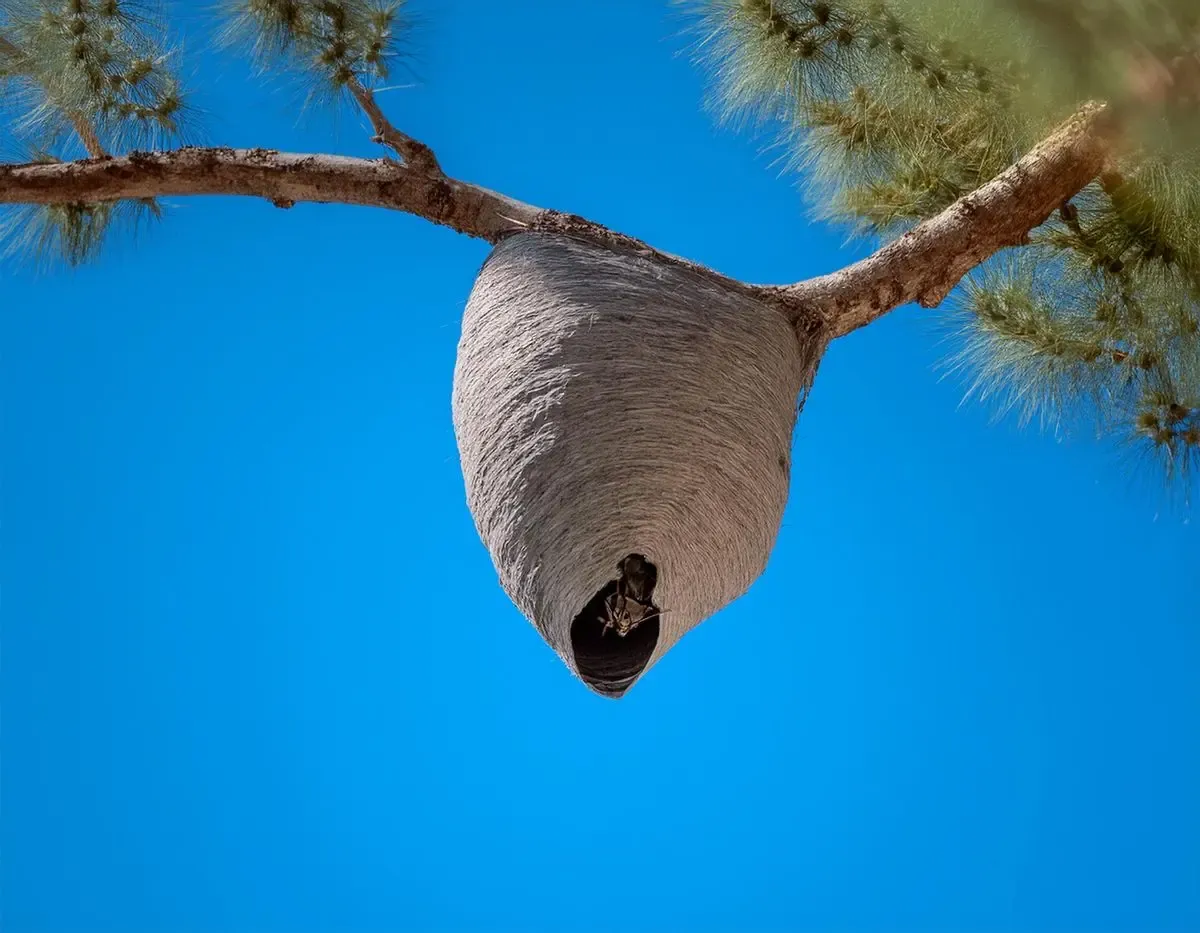
Wasp activity in the UK follows a strong annual cycle. January to March: nests are dormant and queens overwinter in sheltered spots such as lofts, sheds and wall voids; little to no activity, though a warm spell can wake a queen early. April to May: emerging queens become active and begin building small, walnut to golf-ball sized founding nests and raising the first workers; this is the ideal, lowest-risk time for treatment as colonies are small. June: worker numbers grow rapidly, the nest expands and foraging activity increases noticeably. July: colonies are large and well established, with workers focused on collecting protein and insects to feed the developing larvae; nest sightings and call-outs rise sharply. August to September: peak activity and the period of greatest nuisance and risk; colonies reach their maximum size, often several thousand wasps, and as larvae stop producing the sugary secretion workers crave, the adults turn to sweet foods, fallen fruit, bins and drinks, becoming bolder and more likely to sting. October: as the weather cools, colonies decline, new queens and males leave to mate, and remaining workers die off; activity drops markedly. November to December: nests are spent and abandoned; old nests are not reused. Demand for treatment is heavily concentrated in late summer, but early-season action in May and June is safer and easier.
Coverage
Same-day wasp call-outs across IP10
We cover Bucklesham and the surrounding Suffolk, including Levington, Kirton, Nacton, Bentley Ipswich.
East Suffolk Council offers limited or paid-for pest services, so many Bucklesham residents and landlords call a private, RSPH-qualified contractor for a faster response.
From the streets around St Mary's Church (Grade II listed, over 900 years old) to the outer lanes, our engineers know Bucklesham well.
- IP10
More local services
Other pests we treat in Bucklesham
Same-day, RSPH-qualified treatment for the pests most common in Bucklesham.

Nearby towns
Wasp control near Bucklesham
Local engineers covering towns right across Suffolk.
Questions
Wasp control in Bucklesham: FAQs
- How quickly can you reach Bucklesham for a wasp problem?
- Our local engineers cover Bucklesham (IP10) with same-day appointments and 24/7 emergency response for urgent wasp infestations.
- Why are wasps common in Bucklesham?
- Rural properties with eaves, lofts, sheds and outbuildings, plus mature gardens and hedgerows, provide abundant sheltered nesting sites, making summer wasp nests a recurring problem in this village.
- What are the signs of a wasp infestation?
- Key signs of a wasp infestation include: a visible papery, grey nest, ranging in size from a golf ball in spring to a football or larger by late summer, often sited under eaves, in lofts and roof spaces, wall cavities, sheds, garages, garden bushes or even underground in banks and old burrows. A steady stream of wasps flying to and from a single point on the building, such as a gap in the soffit, a vent or a roof tile, is a strong indicator of a hidden nest, even when the nest itself cannot be seen.
- Do I need professional wasp control, or will the council handle it in Bucklesham?
- East Suffolk Council offer limited or paid-for pest services. As a RSPH-qualified contractor, Blades responds faster, treats discreetly and agrees a clear plan with you up front.
- How much does wasp control cost in Bucklesham?
- Several factors drive a wasp control quote rather than any fixed price. The most significant is the location and accessibility of the nest: a nest at ground level or easily reached is straightforward, whereas one high in a roof apex, within a wall cavity, in a chimney or requiring ladders, a long reach pole or access equipment increases time, risk and cost.
- Are your wasp treatments safe for pets and children?
- Yes. We use RSPH best-practice methods and target treatments responsibly so your family, pets and Bucklesham property stay safe.
- When are wasps most active?
- Wasp activity in the UK follows a strong annual cycle. January to March: nests are dormant and queens overwinter in sheltered spots such as lofts, sheds and wall voids; little to no activity, though a warm spell can wake a queen early.
Got wasps in Bucklesham? We'll sort it - fast.
Speak to a local, RSPH-qualified engineer now. 24/7 emergency cover and same-day wasp response across Bucklesham and Suffolk.
24/7 emergency · Same-day response · RSPH-qualified