

Local pest control
Ant Control in Bury St Edmunds
Bury St Edmunds is a prosperous historic market town in the heart of west Suffolk, surrounded by arable farmland and characterful villages such as Fornham St Martin, Rougham, and Horringer.

Ant control in Bury St Edmunds
Fast, local ant control across Bury St Edmunds
In Bury St Edmunds, ant pressure is shaped by the local mix of property and surroundings. A historic Suffolk market town blending a Georgian and Victorian terraced town centre (St John's Street, St Andrew's Street) with large modern estates such as Moreton Hall and Lark Grange, plus surrounding rural villages and farm dwellings.
Bury St Edmunds is a prosperous historic market town in the heart of west Suffolk, surrounded by arable farmland and characterful villages such as Fornham St Martin, Rougham, and Horringer. The town's mix of Georgian townhouses, older terraced streets, and medieval abbey precincts creates ideal conditions for rodent activity, particularly where ancient drainage channels and proximity to agricultural land allow rats and mice to move into residential and commercial properties as seasons change. Wasp and hornet nests are a recurring summer concern in the roof spaces and gardens of the town's many period buildings, while feral pigeons are drawn to the grain stores and open market areas near the historic centre. Our RSPH-qualified, fully insured engineers cover Bury St Edmunds and the surrounding villages with same-day appointments and 24/7 emergency response, so residents and businesses are never left waiting when a pest problem takes hold.
Our promise
No small print - just confident, honest pest control
No small print, no empty promises. We agree a clear treatment plan and timeframe with you up front - and because every job is carried out by an RSPH-qualified engineer, we're confident enough in the result that return visits are rare.
Identification
How to identify ants
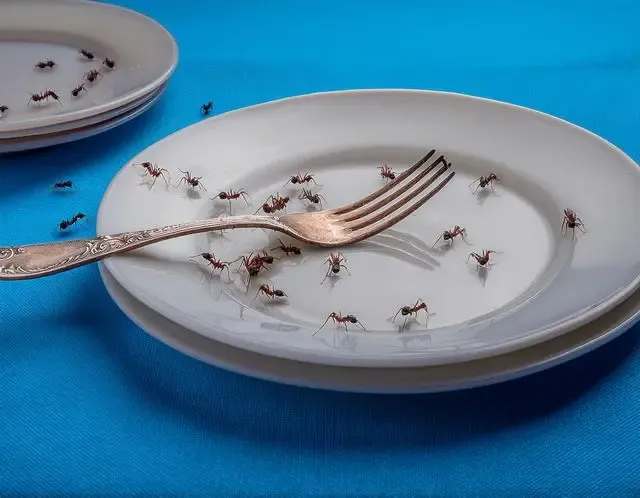
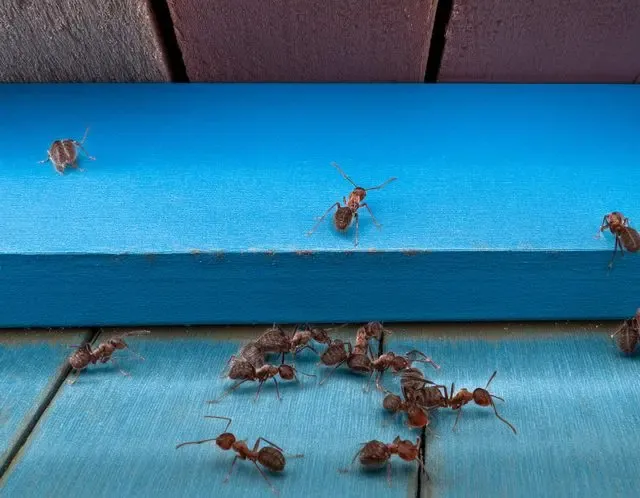
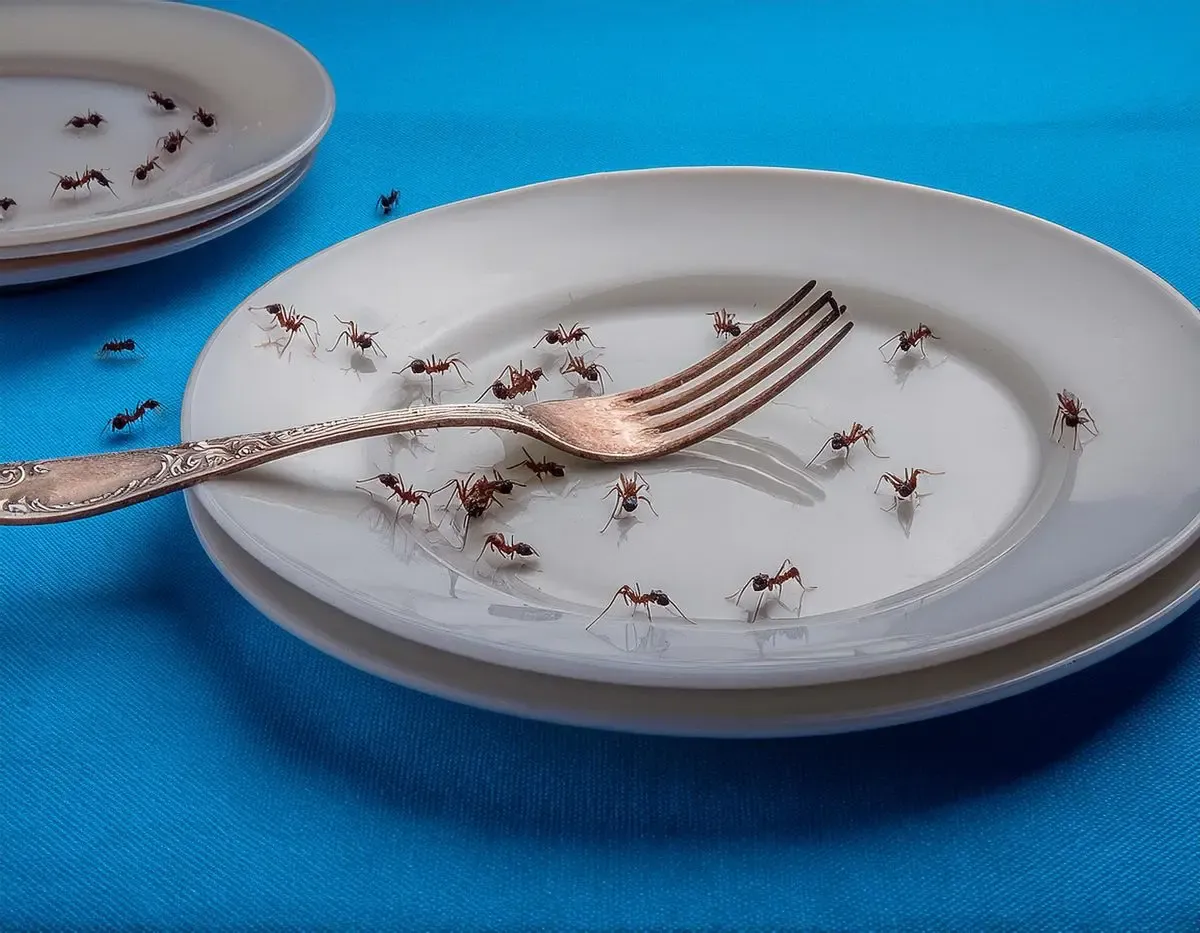
Ants are small, typically 2-15 mm long, and vary in colour from black to red or brown. They have three distinct body segments: head, thorax, and abdomen. Ants are known for their segmented antennae and often have a narrow waist. Common signs of an ant infestation include: Trails: Visible lines of ants marching to and from food sources. Nests: Piles of soil or sand around outdoor nests or small holes in the ground. Food Debris: Ants feeding on spilled food or sugary substances indoors. Ants Inside: Finding ants in or around kitchen areas, particularly near food sources. Ants are social insects and typically live in colonies, making their presence more noticeable as they forage for food.
Warning signs
Signs of ants in Bury St Edmunds homes
Live ants indoors: the most obvious sign is workers foraging across floors, worktops, skirting boards and around sinks, particularly in kitchens and near food. Trails: distinct lines of ants moving to and from a food source along a consistent route, often following edges, pipework or cabling. Entry points: ants emerging from cracks in walls, gaps around skirting, airbricks, beneath thresholds or from beneath floorboards. Nest indicators outdoors: small piles of fine excavated soil ("ant hills") on lawns, between paving slabs, along patio edges and at the base of walls. Flying ants: the appearance of large numbers of winged ants (alates) indoors or swarming outdoors during the summer "flying ant day(s)" indicates a mature, established nest nearby. Activity near sweet or greasy foods: clusters of ants around spilled food, pet bowls, bins or sugary residues. Persistent return after cleaning: ants reappearing in the same spot shortly after surfaces are wiped suggests an established pheromone trail and a nest within or close to the building. For Pharaoh's ants specifically, small (around 2 mm) yellow-brown ants seen year-round in heated buildings, especially near heating ducts, kitchens and bathrooms, are a strong indicator.
Why it matters
Health & property risks
Ants are generally a nuisance pest rather than a serious health hazard, but they should not be ignored, particularly in food-handling environments. The main concerns are: Contamination: foraging ants travel between bins, drains and food preparation surfaces and can carry bacteria such as Salmonella, Staphylococcus and Streptococcus onto food and worktops. Pharaoh's ants are of particular concern in hospitals and care settings because they can spread pathogens between wounds, dressings and sterile areas, and are capable of transmitting infection. Food spoilage: contaminated stored food usually has to be discarded, with associated waste and cost. Bites and stings: native garden ants rarely bite, but some species can deliver a nip or, in the case of certain species, a mild sting that may cause localised irritation; severe reactions are uncommon. Structural and electrical issues: large nests, especially those in wall voids, insulation or near wiring and appliances, can occasionally cause faults or damage. Allergy and asthma: ant debris and large numbers of ants can be a nuisance allergen for sensitive individuals. Overall the public-health risk is low for the common garden ant but rises significantly for Pharaoh's ants in medical, care and food premises.
Got ants in Bury St Edmunds? Let's sort it today.
Speak to a local, RSPH-qualified engineer now. Same-day ant appointments and 24/7 emergency cover across Bury St Edmunds.
Free quote · Same-day ant treatment in Bury St Edmunds · 24/7

Our treatment
How we treat ants in Bury St Edmunds
Blades Pest Solutions has several options to to eliminate ant infestations: Baiting: We use ant baits that attract ants, which then carry the poison back to the nest, targeting the entire colony. Insecticides: We apply targeted insecticides to eliminate ants and their nests effectively. Nesting Area Treatment: We treat identified nesting sites to reduce the colony population.
Our expert advice
At Blades Pest Solutions, we recommend a strategic approach to ant control: Clean Up: Keep kitchens and dining areas clean by promptly cleaning spills and crumbs. Seal Entry Points: Identify and seal cracks, gaps, and holes in walls, floors, and around windows and doors. Remove Nests: For outdoor infestations, locate and treat ant nests to reduce the colony. Store Food Properly: Use airtight containers for food and ensure that pet food is also stored securely.
Keep them away
How to prevent ants in Bury St Edmunds
To prevent ants, maintain cleanliness in your home, seal potential entry points, store food properly, and address any outdoor nests or colonies promptly.
Did you know
Ant facts
Colonies: Ants live in colonies that can number from a few dozen to several million individuals. Food Preferences: Different ant species have varying food preferences, from sweets to proteins, influencing their foraging behaviour. Communication: Ants use chemical signals called pheromones to communicate and organise their activities. Nesting Habits: Ants can build nests both indoors and outdoors, often in soil, wood, or within wall voids. Adaptability: Ants are highly adaptable and can thrive in a range of environments, from urban areas to forests.
UK seasonality
When are ants most active?
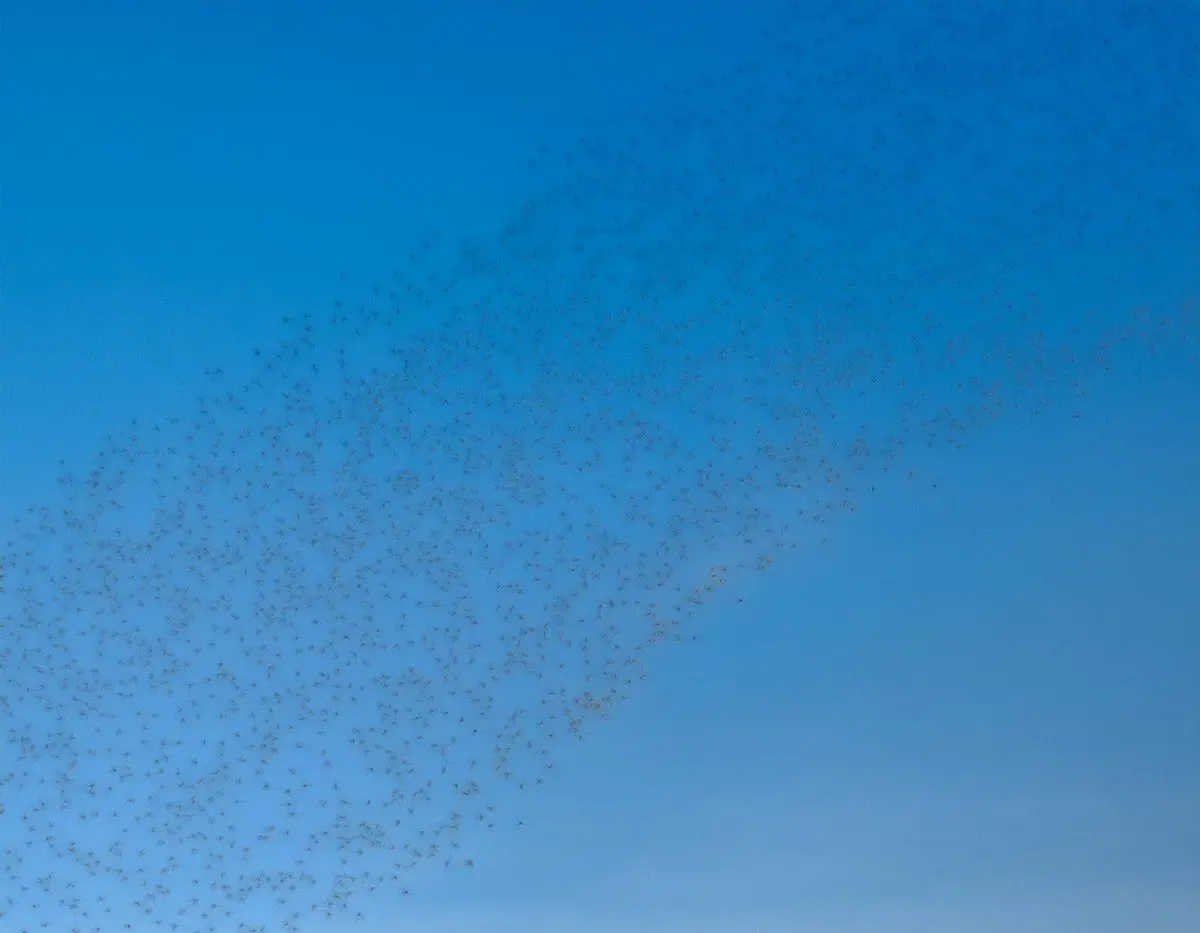
UK ant activity is strongly seasonal and temperature-driven for outdoor species, while heated-building species such as Pharaoh's ant remain active all year. January to February: native ants are largely dormant, with colonies overwintering underground; little surface activity in cold weather. March: as soil temperatures rise, colonies begin to wake and early foraging may be seen on milder days. April to May: activity increases noticeably; workers forage actively and ants commonly begin entering homes in search of food, making this the start of the busy season for callouts. June: peak foraging; warm weather drives heavy indoor and outdoor activity. July to August: the height of the season, including the well-known "flying ant day(s)" when winged males and new queens emerge to mate in large nuptial swarms, typically on warm, humid, still days; this is the busiest period for enquiries. September: activity remains high in warm spells but begins to taper as temperatures fall; colonies focus on building reserves for winter. October: foraging declines markedly as the weather cools. November to December: most native colonies return to dormancy underground. Throughout the year, Pharaoh's ants and other tropical species in centrally heated commercial and institutional buildings show little seasonal variation and can require treatment in any month.
Coverage
Same-day ant call-outs across IP32, IP33
We cover Bury St Edmunds and the surrounding Suffolk, including Stowmarket, Bentley Ipswich, Blaxhall, Bramford.
West Suffolk Council offers limited or paid-for pest services, so many Bury St Edmunds residents and landlords call a private, RSPH-qualified contractor for a faster response.
From the streets around St Edmundsbury Cathedral and Abbey Gardens to the outer lanes, our engineers know Bury St Edmunds well.
- IP32
- IP33
More local services
Other pests we treat in Bury St Edmunds
Same-day, RSPH-qualified treatment for the pests most common in Bury St Edmunds.
Nearby towns
Ant control near Bury St Edmunds
Local engineers covering towns right across Suffolk.
Questions
Ant control in Bury St Edmunds: FAQs
- How quickly can you reach Bury St Edmunds for a ant problem?
- Our local engineers cover Bury St Edmunds (IP32, IP33) with same-day appointments and 24/7 emergency response for urgent ant infestations.
- What are the signs of a ant infestation?
- Live ants indoors: the most obvious sign is workers foraging across floors, worktops, skirting boards and around sinks, particularly in kitchens and near food. Trails: distinct lines of ants moving to and from a food source along a consistent route, often following edges, pipework or cabling.
- Do I need professional ant control, or will the council handle it in Bury St Edmunds?
- West Suffolk Council offer limited or paid-for pest services. As a RSPH-qualified contractor, Blades responds faster, treats discreetly and agrees a clear plan with you up front.
- How much does ant control cost in Bury St Edmunds?
- Several factors influence a quote for ant control, and we provide a price only after assessing the situation rather than charging a fixed rate. Species: common garden ants are usually straightforward, whereas Pharaoh's ants require a specialist baiting programme (spray treatments can cause the colony to "bud" and split into multiple nests, making the problem worse), which takes longer and costs more.
- Are your ant treatments safe for pets and children?
- Yes. We use RSPH best-practice methods and target treatments responsibly so your family, pets and Bury St Edmunds property stay safe.
- When are ants most active?
- UK ant activity is strongly seasonal and temperature-driven for outdoor species, while heated-building species such as Pharaoh's ant remain active all year. January to February: native ants are largely dormant, with colonies overwintering underground; little surface activity in cold weather.
Got ants in Bury St Edmunds? We'll sort it - fast.
Speak to a local, RSPH-qualified engineer now. 24/7 emergency cover and same-day ant response across Bury St Edmunds and Suffolk.
24/7 emergency · Same-day response · RSPH-qualified