
Local pest control
Silverfish Control in Little Blakenham
Little Blakenham is a small, quietly rural village in Mid Suffolk, sitting in the Gipping valley just a couple of miles north-west of Ipswich, with the parish stretching between the River Gipping near Claydon and the farmland towards Flowton.
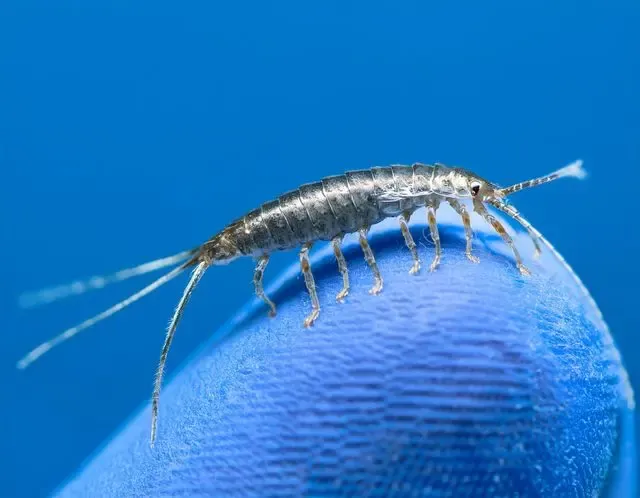
Silverfish control in Little Blakenham
Fast, local silverfish control across Little Blakenham
In Little Blakenham, silverfish pressure is shaped by the local mix of property and surroundings. A small, scattered rural parish on a gentle hillside about two miles north-west of Ipswich. Predominantly owner-occupied detached and period homes, including the former Rectory with Dutch gables, set among farmland, lanes and woodland, with hamlets at Inghams and The Common.
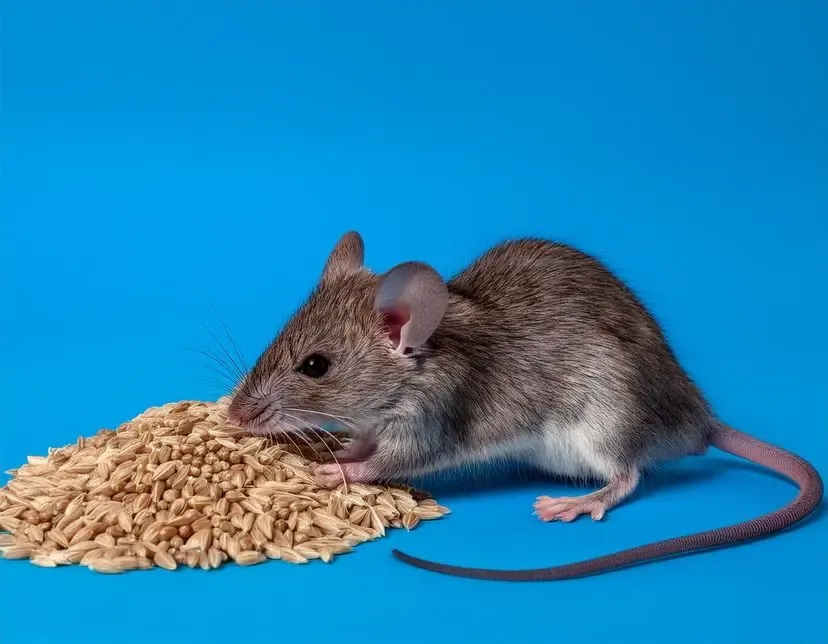
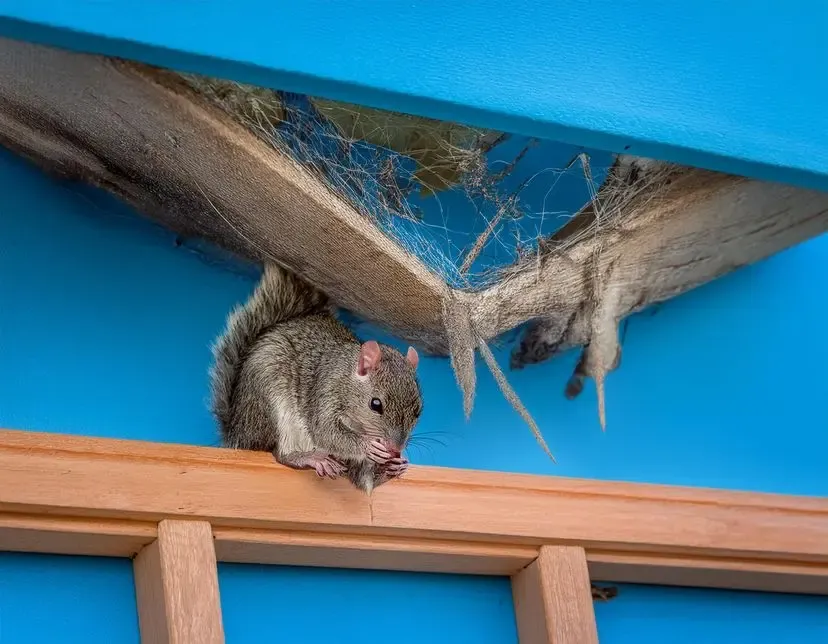
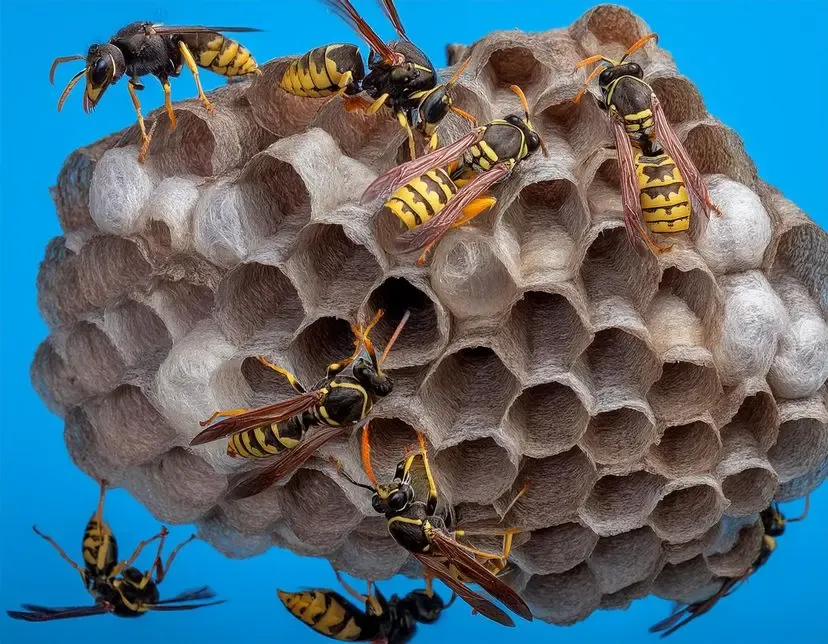
Little Blakenham is a small, quietly rural village in Mid Suffolk, sitting in the Gipping valley just a couple of miles north-west of Ipswich, with the parish stretching between the River Gipping near Claydon and the farmland towards Flowton. The mix of arable fields, hedgerows, and older housing stock creates ideal conditions for rats, field mice, and rabbits throughout the year — rodents follow the waterway and move readily into outbuildings and loft spaces as the seasons turn. Wasp nests are a recurring summer problem in the mature trees and roof voids common to this part of Suffolk, while the proximity to Great Blakenham and the wider Gipping corridor brings the kind of agricultural pest pressures familiar across mid-Suffolk. Our RSPH-qualified engineers cover Little Blakenham and the surrounding villages, offering same-day appointments and a 24/7 emergency response, backed by full public liability insurance — so whatever the pest, you will not be left waiting.
Our promise
No small print - just confident, honest pest control
No small print, no empty promises. We agree a clear treatment plan and timeframe with you up front - and because every job is carried out by an RSPH-qualified engineer, we're confident enough in the result that return visits are rare.
Identification
How to identify silverfish
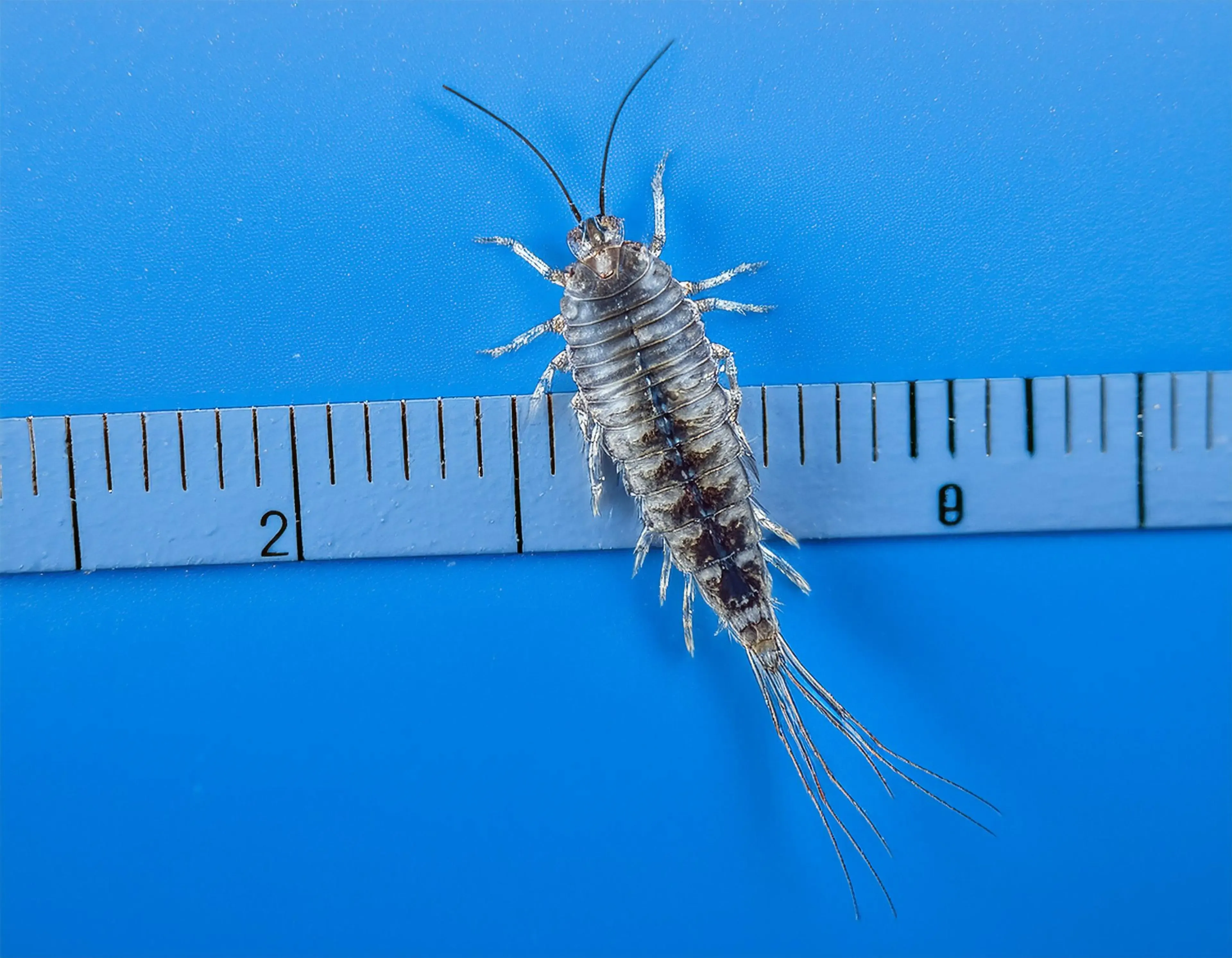
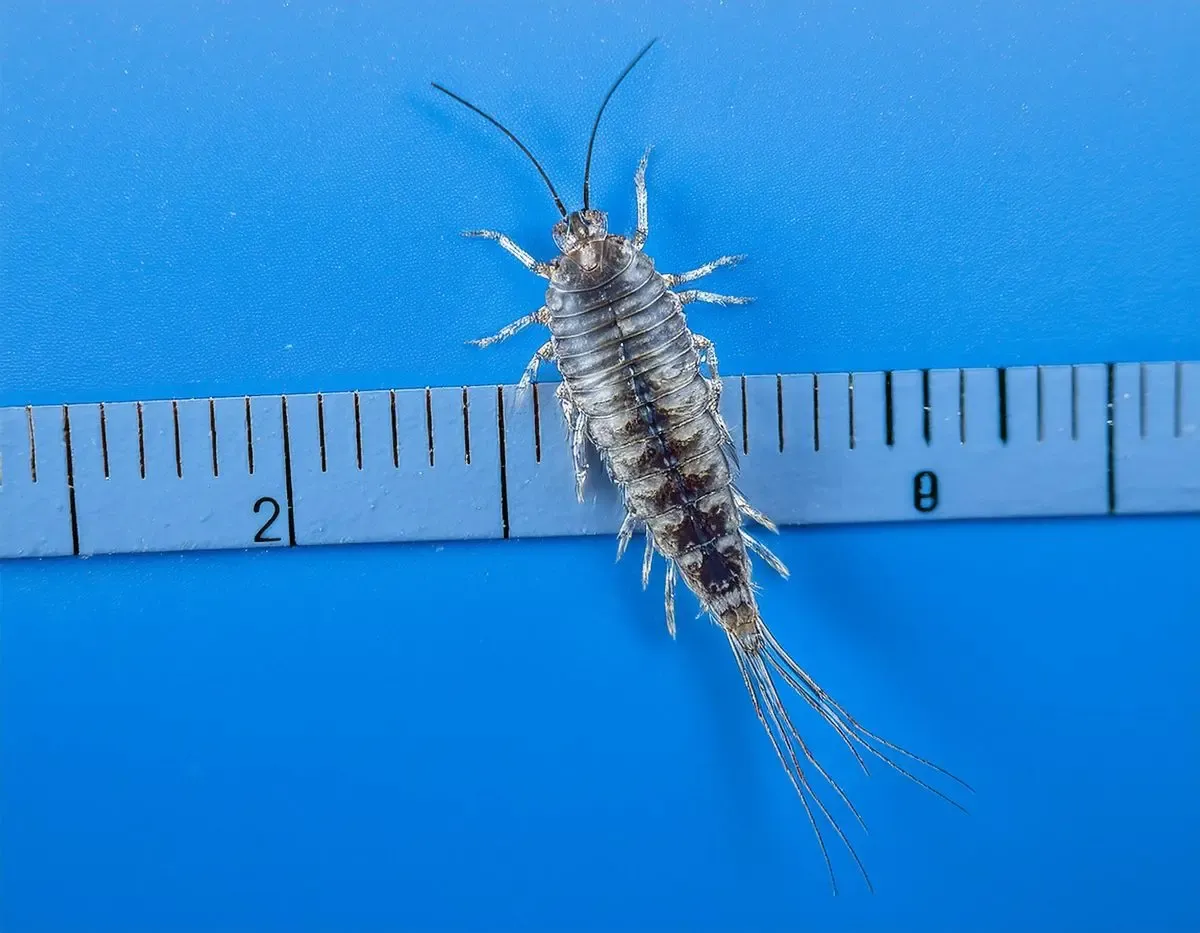
Recognising Silverfish: Identifying silverfish correctly is crucial for managing their presence safely and effectively. Here are key characteristics to help you recognise silverfish: Identification Features: Physical Appearance: Silverfish are small, wingless insects with a teardrop shape and silvery-grey colour. They typically measure about 12-19 mm in length. Movement: They have a distinctive, fish-like wiggling motion when they move. Antennae: Silverfish have long antennae and three bristle-like tails at the end of their bodies. Habitat: They prefer dark, damp environments such as basements, bathrooms, and kitchen
Warning signs
Signs of silverfish in Little Blakenham homes
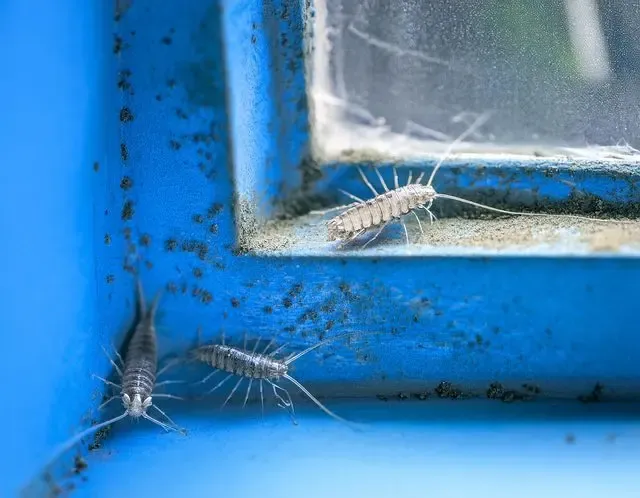
Key indicators of a silverfish infestation include: live insects spotted at night, particularly when a light is switched on suddenly in a bathroom, kitchen or utility room, scattering rapidly toward dark crevices. Look for the distinctive small, silvery-grey, teardrop or carrot-shaped insects with three long bristle-like tails and a wriggling, fish-like movement. Other tell-tale signs are small irregular holes, notches or grazed (etched) surfaces on paper, books, wallpaper, cardboard boxes and stored documents; yellowish staining or a fine yellow dust on paper and fabrics. Tiny black pepper-like droppings are often found in cupboards, drawers, behind skirting boards and in storage areas. Shed skins (translucent moulted scales) accumulate in undisturbed corners, as silverfish moult throughout their lives. Feeding damage to clothing and linens, and chewed or loosened wallpaper at seams (where the starch-based paste attracts them) are common. Damp, musty areas, condensation and visible moisture around the sightings reinforce the diagnosis, as silverfish are strongly associated with high humidity.
Why it matters
Health & property risks
Silverfish pose very low direct risk to human health. They are not known to bite, sting, transmit disease or act as vectors for pathogens, and they are not venomous. The main concerns are indirect and material rather than medical. Their shed skins (scales) and droppings can contribute to indoor allergen load, and in heavy, long-standing infestations these particles may aggravate allergies or asthma in sensitive individuals. Silverfish can occasionally contaminate dry stored foods such as flour, cereals, oats and pet food with their droppings and cast skins, making affected food unfit for consumption. Their presence is frequently a sign of excess damp or humidity in a property, which itself can encourage mould growth and associated respiratory issues. The most significant impact is to property and possessions: silverfish feed on starches and cellulose, damaging books, paper, photographs, wallpaper, cardboard, natural-fibre textiles (cotton, linen, silk) and stored documents.
Got silverfish in Little Blakenham? Let's sort it today.
Speak to a local, RSPH-qualified engineer now. Same-day silverfish appointments and 24/7 emergency cover across Little Blakenham.
Free quote · Same-day silverfish treatment in Little Blakenham · 24/7
Our treatment
How we treat silverfish in Little Blakenham
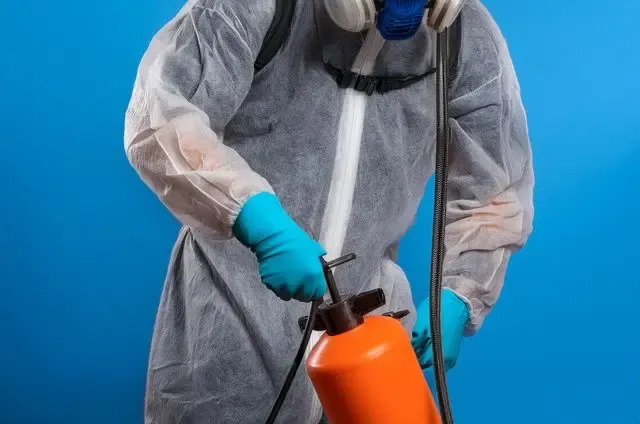
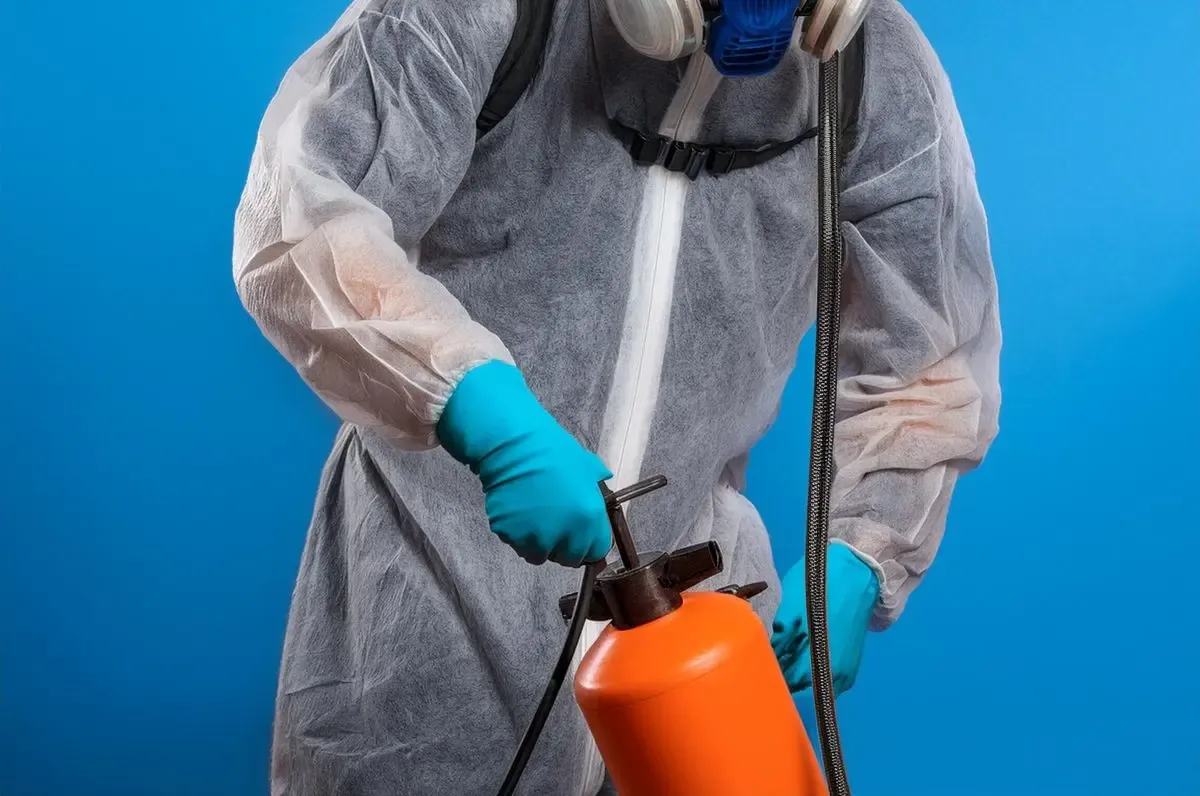
Treatment Approach: Blades Pest Solutions offers effective methods for dealing with silverfish infestations while prioritising safety and thoroughness. Here’s our approach: Treatment Options: Moisture Control: Reducing humidity and fixing leaks can help make your home less attractive to silverfish. Insecticides: We use safe and effective insecticides targeted at silverfish hiding spots. Baiting: Specific baits can be used to attract and eliminate silverfish. Preventative Measures: We provide advice and solutions to prevent silverfish from returning, such as sealing cracks and crevices and maintaining a dry environment. Preparation for Treatment: Preparation Guidelines: Ensure that the affected areas are accessible and follow any specific instructions provided by our team. Post-Treatment Actions: Follow our recommendations to prevent future infestations and maintain a dry and clean environment.
Our expert advice
Managing Silverfish Presence: Dealing with silverfish requires a careful approach to ensure effective control. Here are our expert recommendations: Inspection Tips: Regular Checks: Inspect areas with high humidity and moisture levels, such as bathrooms, kitchens, and basements, for signs of silverfish activity. Professional Assessment: If you suspect a significant silverfish presence, consider a professional inspection for a thorough assessment. Handling Silverfish Infestations: Stay Calm: If you encounter silverfish, stay calm and avoid disturbing them, as this can cause them to scatter and hide. Contact Professionals: For effective removal and control, contact Blades Pest Soloutions who can assess the situation and recommend appropriate measures.
Keep them away
How to prevent silverfish in Little Blakenham
To prevent silverfish, keep your home dry and well-ventilated. Regularly clean and declutter areas prone to moisture, such as bathrooms and kitchens.
Did you know
Silverfish facts
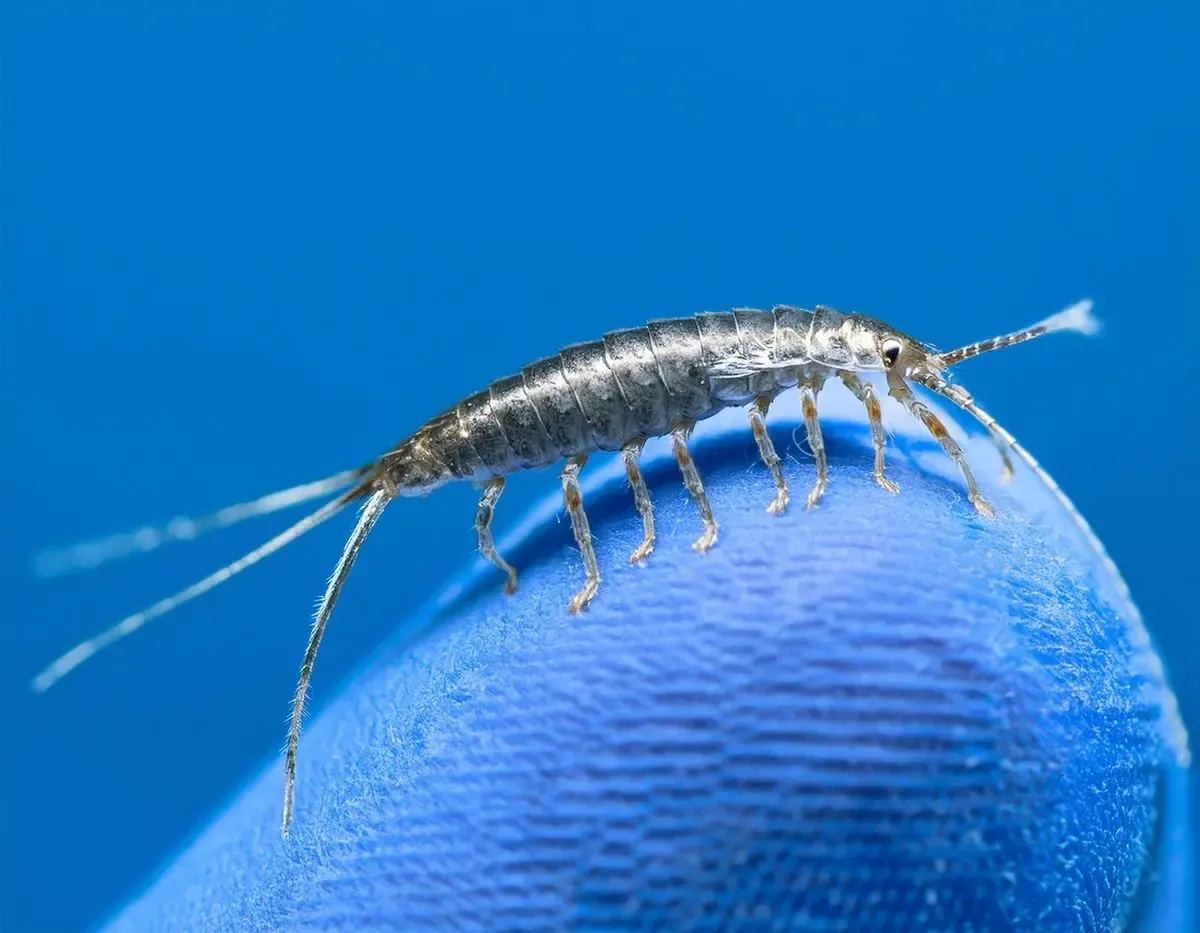
Understanding key facts about silverfish can help you manage their presence responsibly and effectively. Key Facts: Diet: Silverfish feed on carbohydrates like sugars and starches, often found in paper, glue, and textiles. Nocturnal Activity: They are primarily nocturnal, making them more active at night. Longevity: Silverfish have a long lifespan for insects, living up to three years. Damage: While not harmful to humans, they can cause damage to books, wallpaper, and clothing.
UK seasonality
When are silverfish most active?
Silverfish are active year-round in UK homes because they live indoors in stable, sheltered conditions rather than outdoors, so they do not follow a strong seasonal cycle like many garden insects. However, activity and sightings tend to fluctuate with indoor humidity. Autumn and winter (roughly September through February): central heating combined with condensation and reduced ventilation creates pockets of warm, damp air in bathrooms, kitchens and lofts, and homeowners often notice more silverfish during these colder months. December to February frequently sees a rise in reports as windows stay shut and condensation peaks. Spring (March to May): rising humidity and lingering damp from winter can sustain populations, and spring cleaning often uncovers infestations in long-undisturbed cupboards, books and storage. Summer (June to August): generally warm and humid weather can accelerate breeding and increase activity, particularly during muggy spells, though better ventilation with open windows can suppress numbers in well-aired homes. In practice, the strongest driver is moisture rather than the calendar month, so the worst-affected properties report consistent activity across all seasons until the underlying damp issue is resolved.
Coverage
Same-day silverfish call-outs across IP8
We cover Little Blakenham and the surrounding Suffolk, including Great Blakenham, Bramford, Claydon, Bentley Ipswich.
Mid Suffolk District Council offers limited or paid-for pest services, so many Little Blakenham residents and landlords call a private, RSPH-qualified contractor for a faster response.
From the streets around Blakenham Woodland Garden to the outer lanes, our engineers know Little Blakenham well.
- IP8
More local services
Other pests we treat in Little Blakenham
Same-day, RSPH-qualified treatment for the pests most common in Little Blakenham.
Nearby towns
Silverfish control near Little Blakenham
Local engineers covering towns right across Suffolk.
Questions
Silverfish control in Little Blakenham: FAQs
- How quickly can you reach Little Blakenham for a silverfish problem?
- Our local engineers cover Little Blakenham (IP8) with same-day appointments and 24/7 emergency response for urgent silverfish infestations.
- What are the signs of a silverfish infestation?
- Key indicators of a silverfish infestation include: live insects spotted at night, particularly when a light is switched on suddenly in a bathroom, kitchen or utility room, scattering rapidly toward dark crevices. Look for the distinctive small, silvery-grey, teardrop or carrot-shaped insects with three long bristle-like tails and a wriggling, fish-like movement.
- Do I need professional silverfish control, or will the council handle it in Little Blakenham?
- Mid Suffolk District Council offer limited or paid-for pest services. As a RSPH-qualified contractor, Blades responds faster, treats discreetly and agrees a clear plan with you up front.
- How much does silverfish control cost in Little Blakenham?
- A silverfish treatment quote is shaped by several variables rather than a fixed price. The main cost factors are: the size of the property and the number of rooms or areas affected (a single bathroom differs greatly from a whole-house issue); the severity and how well established the infestation is, which dictates treatment intensity and the number of return visits required.
- Are your silverfish treatments safe for pets and children?
- Yes. We use RSPH best-practice methods and target treatments responsibly so your family, pets and Little Blakenham property stay safe.
- When are silverfish most active?
- Silverfish are active year-round in UK homes because they live indoors in stable, sheltered conditions rather than outdoors, so they do not follow a strong seasonal cycle like many garden insects. However, activity and sightings tend to fluctuate with indoor humidity.
Got silverfish in Little Blakenham? We'll sort it - fast.
Speak to a local, RSPH-qualified engineer now. 24/7 emergency cover and same-day silverfish response across Little Blakenham and Suffolk.
24/7 emergency · Same-day response · RSPH-qualified