
Local pest control
Fly Control in Witnesham
Witnesham is a quiet rural village a few miles north of Ipswich, sitting near the headwaters of the River Fynn where rolling arable farmland meets ancient hedgerows and mature woodland.

Fly control in Witnesham
Fast, local fly control across Witnesham
A classic problem for older rural Suffolk homes set among fields: cluster flies breed in surrounding farmland and earthworm-rich soil, then swarm into warm lofts and roof voids of houses like those along Church Lane and Upper Road to overwinter.
Witnesham is a quiet rural village a few miles north of Ipswich, sitting near the headwaters of the River Fynn where rolling arable farmland meets ancient hedgerows and mature woodland. The surrounding countryside and proximity to neighbouring villages such as Tuddenham St Martin and Westerfield creates ideal conditions for field mice and brown rats, which move into older cottages and outbuildings as temperatures drop each autumn and winter. Farmland bordering the village also brings seasonal pressure from wasps building nests in loft spaces, soffits and garden sheds throughout the warmer months. Blades Pest Solutions sends RSPH-qualified, fully insured local engineers to Witnesham for same-day appointments and 24/7 emergency call-outs, ensuring swift, professional treatment whether you are dealing with a rodent problem in a period property or a wasp nest that cannot wait.
Our promise
No small print - just confident, honest pest control
No small print, no empty promises. We agree a clear treatment plan and timeframe with you up front - and because every job is carried out by an RSPH-qualified engineer, we're confident enough in the result that return visits are rare.
Identification
How to identify flies
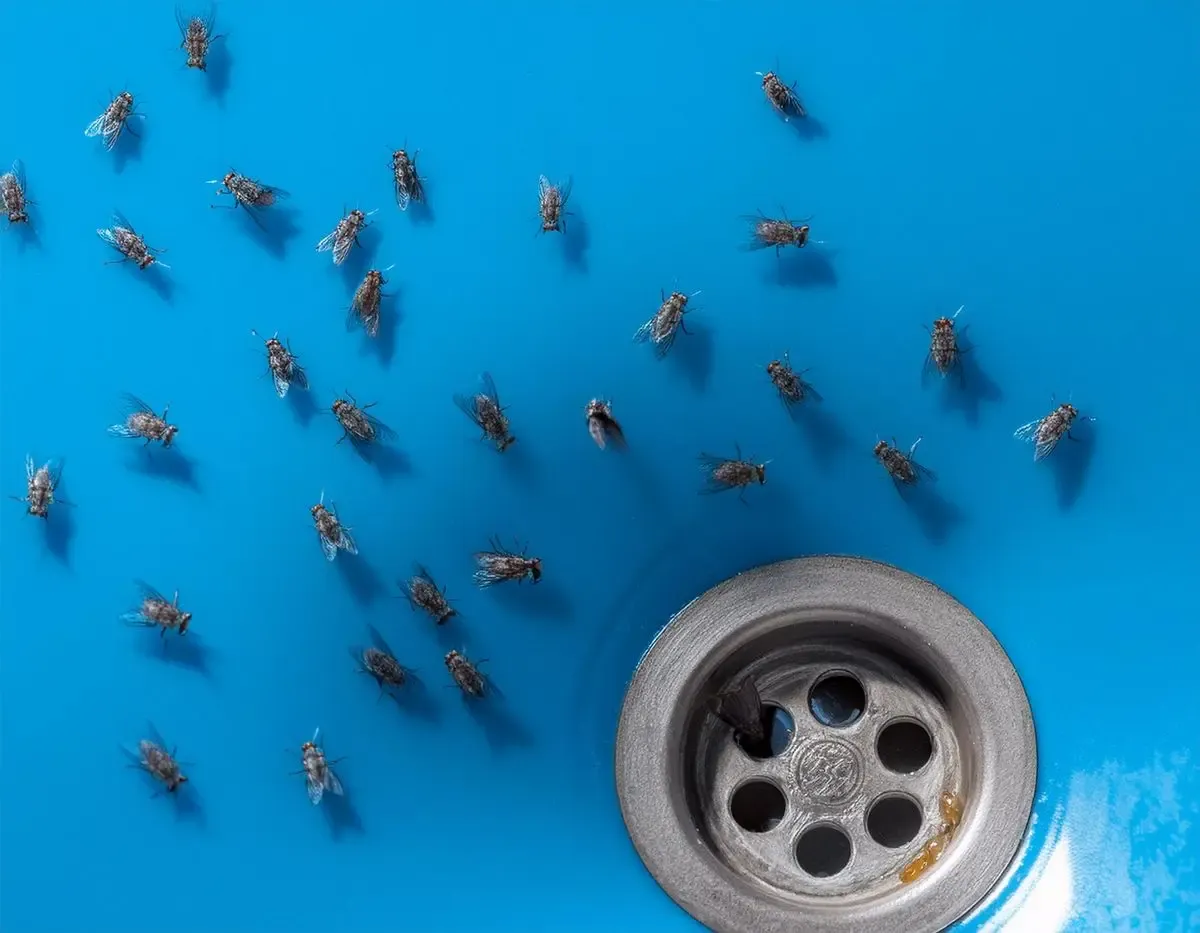
Flies come in various types, including house flies, fruit flies, and drain flies: House Flies: Typically grey with black stripes, about 6-7 mm long, with hairy bodies and large, red eyes. Fruit Flies: Small, about 3-4 mm long, with tan or light brown bodies and red eyes. They are attracted to fermenting fruits and vegetables. Drain Flies: Also known as sewer flies, they are about 4-5 mm long, with fuzzy, moth-like wings and a grey or black appearance. They are often found around drains and moist areas. Common signs of a fly infestation include: Sightings: Frequent sightings of flies in and around kitchens or garbage areas. Breeding Sites: Presence of larvae or pupae in rotting food, garbage, or drain areas. Foul Odours: Unpleasant smells from decomposing organic matter where flies are breeding. Fly Activity: High activity around food sources, garbage bins, or drains.
Warning signs
Signs of flies in Witnesham homes
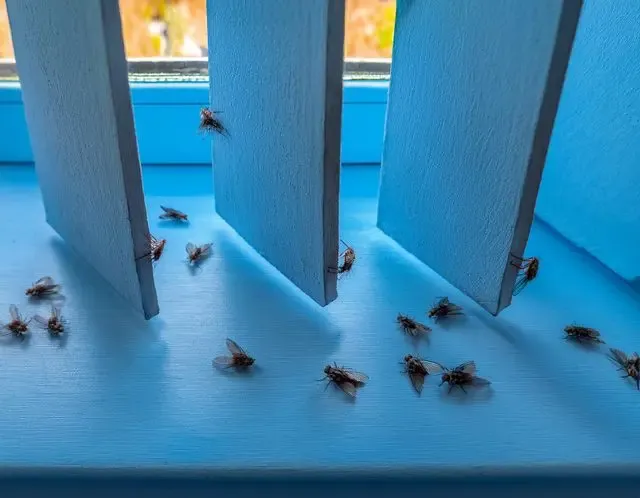
Key indicators include frequent sightings of adult flies clustering around kitchens, bins, windows, food-preparation areas, drains or livestock and waste areas, with activity increasing in warm conditions. Look for small dark spots of fly excrement and regurgitation ("fly specks") on walls, ceilings, light fittings, windows and surfaces near where flies rest. The presence of larvae (maggots) or pupae in bins, rotting food, drains, compost or decaying organic matter confirms active breeding on or near the premises. Drain flies are signalled by small moth-like flies resting on walls around sinks, showers and drains, often emerging when water runs. Fruit flies hovering around ripe or fermenting fruit, recycling bins, bottle returns and drains point to a fermenting food or beverage source. Foul or sour odours from decomposing matter, blocked gulleys or neglected bins often accompany an infestation. Clustering of larger sluggish flies in roof spaces, around windows and in attics during autumn and on warmer winter days is characteristic of cluster flies. A noticeable rise in numbers caught on existing fly screens or electric fly-killer units is also a reliable early warning.
Why it matters
Health & property risks
Flies are mechanical vectors of disease and pose a genuine public-health risk, especially around food. House flies and blowflies feed and breed on faeces, refuse, carrion and decaying organic matter, then move directly onto food and food-contact surfaces, transferring pathogens on their legs, body hairs and through regurgitation and defecation while feeding. Organisms they can spread include Salmonella, E. coli, Campylobacter, Shigella and Listeria, alongside the risk of gastrointestinal upset, food poisoning, dysentery and the transmission of parasitic worm eggs. Drain flies and fruit flies are less directly hazardous but indicate unsanitary conditions and can still carry bacteria from drains and fermenting waste onto food. In rare cases, blowfly activity on open wounds or soiled bedding can lead to myiasis. There is also an allergen and asthma trigger element, as fly debris and droppings can contaminate the air and surfaces. For commercial food businesses the consequence is contamination, product spoilage and potential failure of hygiene inspections; for households the main risk is cross-contamination of food and surfaces in kitchens.
Got flies in Witnesham? Let's sort it today.
Speak to a local, RSPH-qualified engineer now. Same-day fly appointments and 24/7 emergency cover across Witnesham.
Free quote · Same-day fly treatment in Witnesham · 24/7

Our treatment
How we treat flies in Witnesham
Blades Pest Solutions may use these methods to tackle fly infestations: Sanitation: We focus on improving sanitation to remove breeding sites and reduce fly attraction. Traps and Baits: We can use specialised traps and baits to capture and control fly populations. Insecticides: When necessary, we apply targeted insecticides to eliminate adult flies and their larvae.
Our expert advice
At Blades Pest Solutions, we recommend a multi-faceted approach to controlling flies: Maintain Cleanliness: Regularly clean kitchen surfaces, garbage bins, and food storage areas to eliminate breeding grounds. Proper Waste Management: Dispose of garbage promptly and ensure bins are sealed and cleaned regularly. Check Drains: Clean and disinfect drains to prevent the buildup of organic matter that attracts drain flies. Store Food Correctly: Keep fruits and vegetables stored in the refrigerator or covered to prevent attracting fruit flies.
Keep them away
How to prevent flies in Witnesham
To prevent flies, maintain rigorous cleanliness, manage waste effectively, clean drains regularly, and store food properly to reduce potential breeding sites and attractants.
Did you know
Fly facts
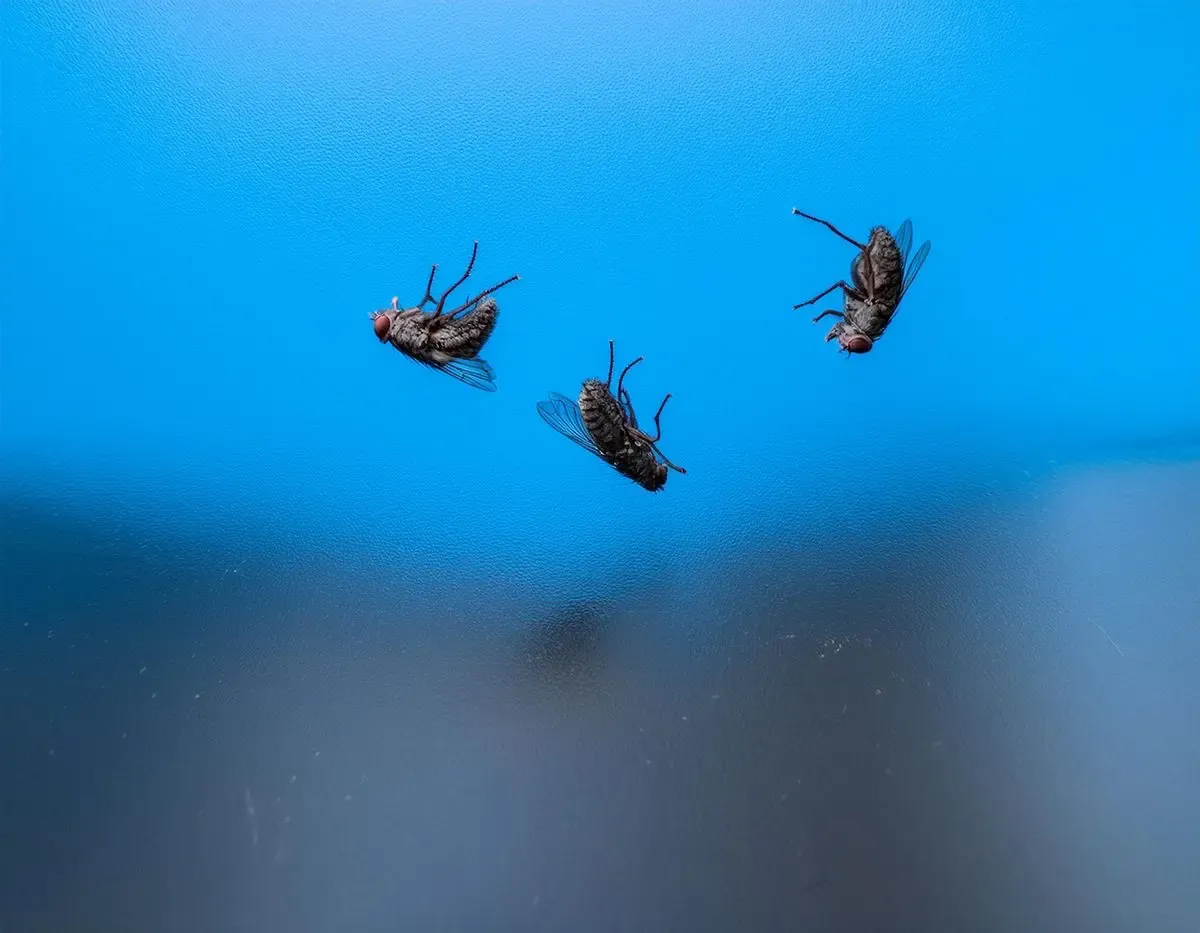
Disease Transmission: Flies can carry and spread diseases by contaminating food and surfaces with pathogens from their breeding sites. Breeding Habits: House flies breed in decaying organic matter, fruit flies in fermenting foods, and drain flies in moist, organic-rich environments. Attraction to Odours: Flies are highly attracted to strong odours from food waste, garbage, and sewage. Short Lifespan: Most flies have a short lifespan but reproduce rapidly, making control efforts crucial. Flight Patterns: Flies are strong fliers and can quickly spread infestations from one area to another.
UK seasonality
When are flies most active?
Flies are most active in the warmer months but the species you encounter shifts through the UK year. January to February: activity is low; house and fruit flies survive indoors in heated kitchens and food premises, and overwintering cluster flies may become active and emerge at windows on mild, sunny winter days. March to April: as temperatures rise, overwintered adults become active and the first breeding cycles begin; cluster flies leave their winter resting sites. May to June: populations build rapidly outdoors and indoors, with breeding accelerating in warm weather. July to August: peak season, with the shortest breeding cycles, the highest house fly, blowfly and fruit fly numbers, and the greatest pressure on kitchens, bins and food businesses; fruit fly problems peak alongside soft fruit, summer produce and outdoor dining. September to October: numbers remain high then begin to fall as it cools, and this is the classic period for cluster flies entering lofts and wall cavities to overwinter, often appearing in large numbers at south-facing windows. November to December: outdoor activity drops sharply with the cold, surviving flies are largely confined to heated interiors, and clusters settle into dormancy in roof voids. Mild autumns and warm indoor environments can extend activity well beyond the typical summer peak.
Coverage
Same-day fly call-outs across IP6
We cover Witnesham and the surrounding Suffolk, including Westerfield, Tuddenham St Martin, Bentley Ipswich, Blaxhall.
East Suffolk Council offers limited or paid-for pest services, so many Witnesham residents and landlords call a private, RSPH-qualified contractor for a faster response.
From the streets around St Mary's Church, Witnesham to the outer lanes, our engineers know Witnesham well.
- IP6
More local services
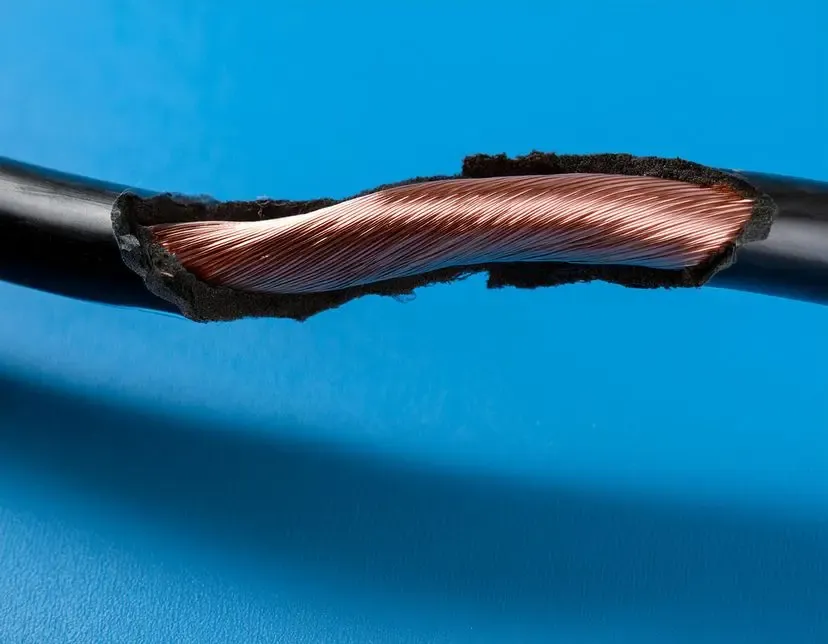
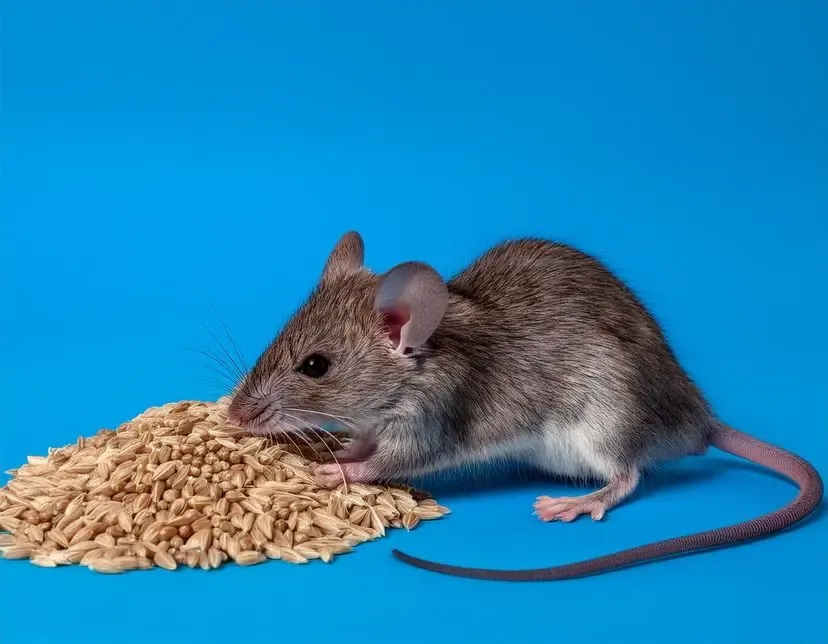
Other pests we treat in Witnesham
Same-day, RSPH-qualified treatment for the pests most common in Witnesham.
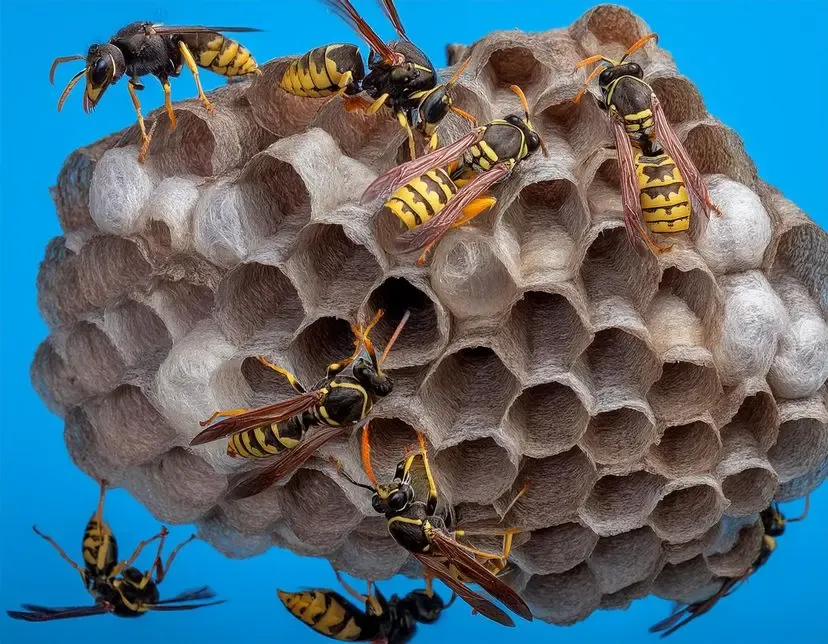
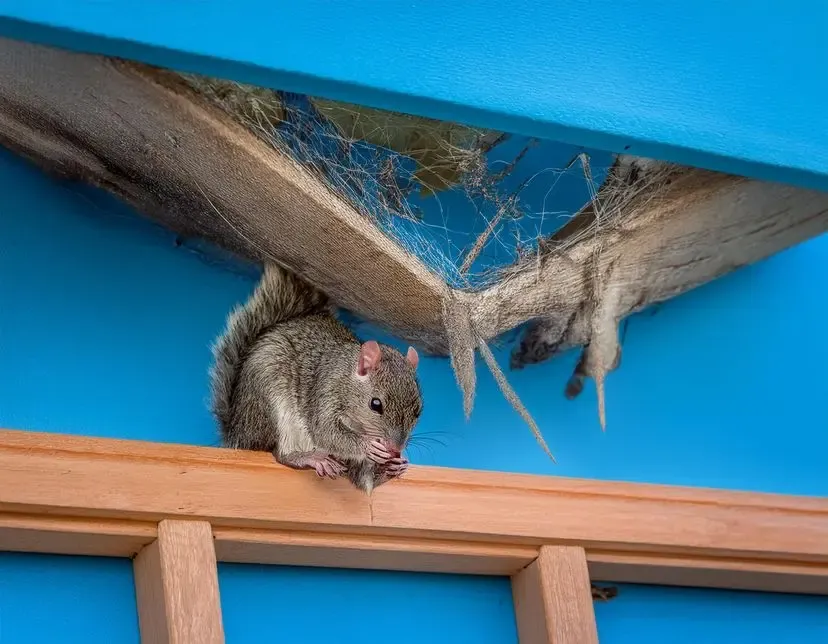
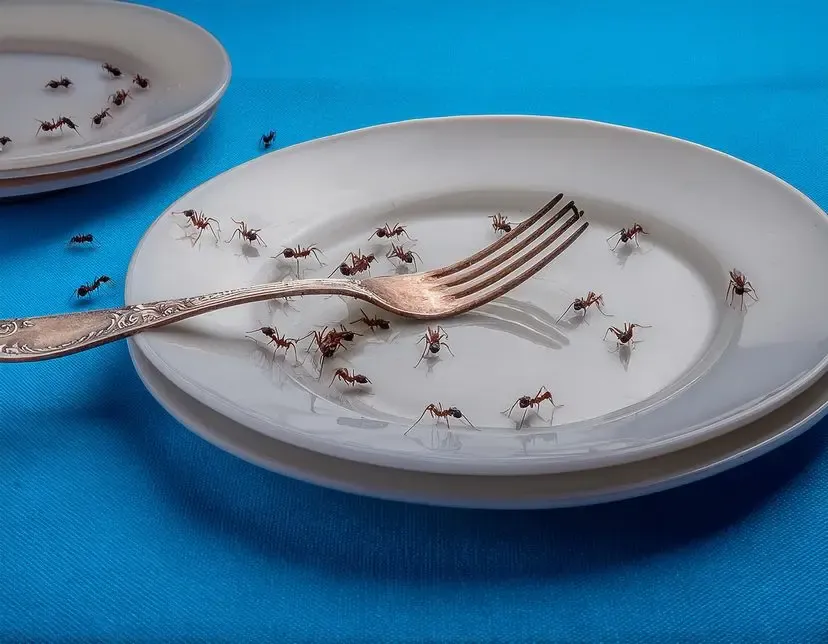
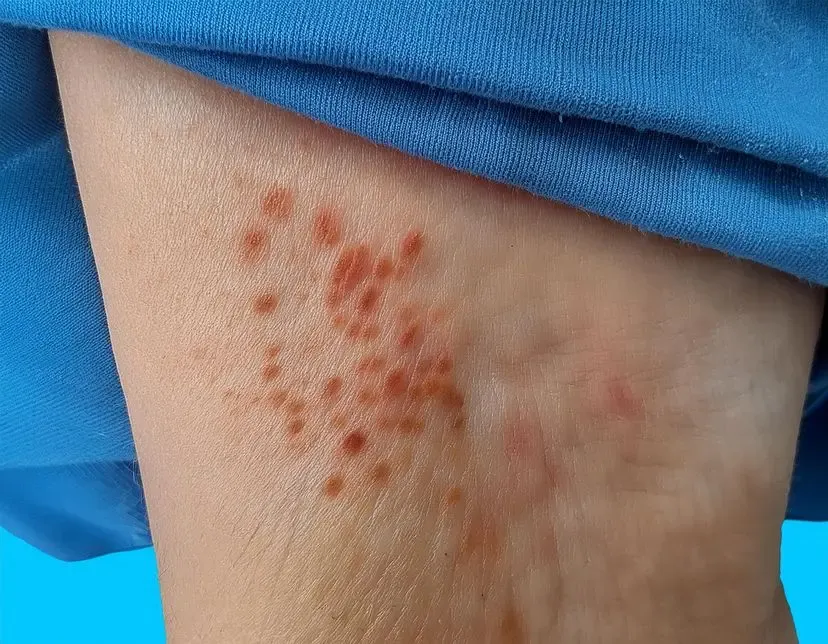
Nearby towns
Fly control near Witnesham
Local engineers covering towns right across Suffolk.
Questions
Fly control in Witnesham: FAQs
- How quickly can you reach Witnesham for a fly problem?
- Our local engineers cover Witnesham (IP6) with same-day appointments and 24/7 emergency response for urgent fly infestations.
- Why are flies common in Witnesham?
- A classic problem for older rural Suffolk homes set among fields: cluster flies breed in surrounding farmland and earthworm-rich soil, then swarm into warm lofts and roof voids of houses like those along Church Lane and Upper Road to overwinter.
- What are the signs of a fly infestation?
- Key indicators include frequent sightings of adult flies clustering around kitchens, bins, windows, food-preparation areas, drains or livestock and waste areas, with activity increasing in warm conditions. Look for small dark spots of fly excrement and regurgitation ("fly specks") on walls, ceilings, light fittings, windows and surfaces near where flies rest.
- Do I need professional fly control, or will the council handle it in Witnesham?
- East Suffolk Council offer limited or paid-for pest services. As a RSPH-qualified contractor, Blades responds faster, treats discreetly and agrees a clear plan with you up front.
- How much does fly control cost in Witnesham?
- A quote is shaped by several factors rather than a fixed price. The species involved matters, as drain flies, fruit flies, cluster flies and house/blow flies each require different methods and source control.
- Are your fly treatments safe for pets and children?
- Yes. We use RSPH best-practice methods and target treatments responsibly so your family, pets and Witnesham property stay safe.
- When are flies most active?
- Flies are most active in the warmer months but the species you encounter shifts through the UK year. January to February: activity is low; house and fruit flies survive indoors in heated kitchens and food premises, and overwintering cluster flies may become active and emerge at windows on mild, sunny winter days.
Got flies in Witnesham? We'll sort it - fast.
Speak to a local, RSPH-qualified engineer now. 24/7 emergency cover and same-day fly response across Witnesham and Suffolk.
24/7 emergency · Same-day response · RSPH-qualified