
4 min read · Blades Pest Solutions
Yes - pigeons can be a genuine health risk, not just a nuisance. Their droppings can harbour organisms linked to several illnesses, and dried droppings can become airborne dust during clean-ups. The birds also carry biting parasites, and fouling creates real slip and building-corrosion hazards. For most healthy people the day-to-day risk is low, but it is real and it rises sharply where droppings build up.
The main health risks
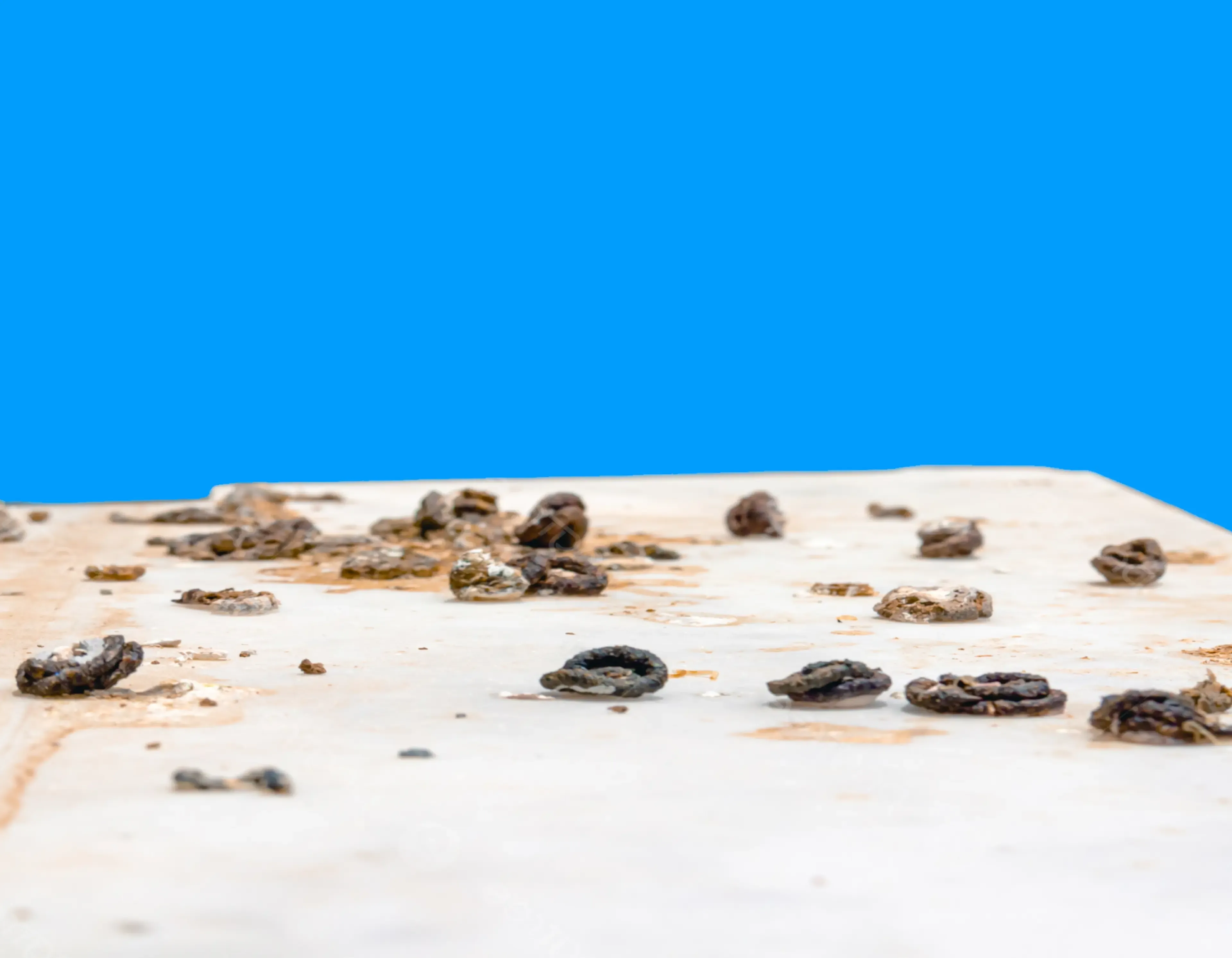
Pigeon droppings can harbour organisms linked to illnesses such as ornithosis (psittacosis), salmonella and the fungal infections cryptococcosis and histoplasmosis. The danger is greatest when droppings dry out: disturbed dried droppings can become airborne dust, which is a particular concern in poorly ventilated lofts, roof voids and during clean-up work where that dust can be inhaled.
The birds themselves are also a source of ectoparasites - bird mites, ticks and fleas. Once a nest is disturbed or abandoned, these parasites readily move indoors and bite the people living or working nearby, which is one of the most common reasons our customers call.
Beyond illness, fouling is a direct safety and property hazard. Wet droppings on walkways, steps, loading bays and fire escapes are a recognised slip hazard and a genuine liability issue for businesses. The droppings are acidic, so over time they corrode stonework, paintwork, metalwork and vehicles. Nests block gutters and downpipes, causing damp, overflow and water damage, and nesting debris near flues and electrics is a recognised fire risk. The NHS and UK Health Security Agency advise treating bird droppings with caution and avoiding raising contaminated dust - sensible guidance that our methods are built around.
| Hazard | Why it matters |
|---|---|
| Disease in droppings | Organisms linked to ornithosis, salmonella, cryptococcosis and histoplasmosis |
| Airborne dust | Dried droppings disturbed during clean-up, worst in poorly ventilated spaces |
| Ectoparasites | Bird mites, ticks and fleas move indoors and bite occupants |
| Slip hazard | Wet droppings on walkways and fire escapes - a liability for businesses |
| Building damage | Acidic droppings corrode masonry and metal; nests block gutters and risk fire |
Who is most at risk
The risk is not the same for everyone. Those most likely to be affected include:
- Children and older people, who may be more vulnerable to infection.
- People with weakened immune systems or existing respiratory conditions, for whom the fungal and airborne risks matter most.
- Anyone with allergies or asthma, as airborne droppings dust and parasites can trigger reactions.
- Food businesses - supermarkets, restaurants, warehouses and food storage - where fouling near goods or entrances is a hygiene and inspection failure waiting to happen.
- Maintenance and cleaning staff, who are most exposed when disturbing droppings and old nests without proper protection.
For a healthy person passing a few droppings on a path, the actual risk is low. For a worker brushing out a heavily soiled loft, or a food premises with birds roosting above a doorway, the risk is far higher and needs proper management.
What to do about it
If you have a small, fresh amount of fouling, you can usually clean it with care - wear gloves, dampen the area first so you are not raising dust, disinfect afterwards and wash your hands thoroughly. Do not dry-sweep or brush dried droppings, as that is exactly what releases contaminated dust into the air.
Larger accumulations, droppings in lofts or roof voids, and any sign of an established roost should be left to professionals. Heavily soiled sites need specialist cleaning, disinfection and protective equipment before the area is safe to use again. It is also important to know that feral pigeons are wild birds protected under the Wildlife and Countryside Act 1981 - you cannot lawfully kill or injure them, or destroy an active nest, except under strict licence conditions. The correct, law-abiding approach is humane deterrence and exclusion: netting, spikes, bird wire and other proofing, combined with cleaning and removing food sources.
Blades Pest Solutions is RSPH-qualified and fully insured, and we always work within current General Licence conditions, prioritising humane proofing and deterrents to resolve pigeon problems lawfully. We survey the site, clean and disinfect where needed, and install the right proofing so the birds cannot return - with a clear, agreed plan and the confidence that comes from doing the job properly.
If pigeons are fouling your home or business, don't wait for the build-up to become a hazard. Call our freephone line on 0800 037 7358 for a free, no-obligation quote and a fast, lawful, humane solution.
FAQs
- Can pigeon droppings make you ill?
- They can. Dried pigeon droppings can harbour organisms linked to illnesses such as ornithosis (psittacosis), salmonella and the fungal infections cryptococcosis and histoplasmosis. Dried droppings can become airborne dust, which is a particular concern in poorly ventilated lofts and during clean-ups. For most healthy people the actual risk is low, but it is real and rises sharply if droppings are disturbed without proper protection.
- Is it safe to clean up pigeon droppings myself?
- Small, fresh amounts can usually be cleaned with care, but dried droppings and any large accumulation are best left to professionals. Sweeping or brushing releases contaminated dust into the air. Heavily soiled sites need specialist cleaning, disinfection and protective equipment before the area is safe to use. Call 0800 037 7358 if in doubt.
- Do pigeons carry parasites that bite people?
- Yes. Pigeons carry bird mites, ticks and fleas. Once a nest is disturbed or abandoned, these parasites can move indoors and bite the people living or working nearby, which is a common trigger for calling us in.
- Can I just get rid of the pigeons myself?
- Feral pigeons are wild birds protected under the Wildlife and Countryside Act 1981, so you cannot lawfully kill or injure them or destroy an active nest except under strict licence conditions. The correct, law-abiding approach is humane deterrence and proofing such as netting, spikes and wire. Blades handles this lawfully on your behalf.
- How much does pigeon proofing cost?
- It depends on the size and height of the building, the amount of proofing needed and whether specialist cleaning is required first. There is no fixed price. Call 0800 037 7358 for a free, no-obligation quote.