
7 min read · Blades Pest Solutions
Carpet beetles are one of the quietest, most underestimated pests in UK homes and businesses. You rarely see the damage being done - instead you open a drawer or roll back a rug months later and find clean, round holes punched through a favourite jumper or a wool carpet. By then the real culprits, the larvae, have usually been feeding undisturbed for some time. Acting early is the difference between losing one item and watching the damage spread through carpets, clothing and soft furnishings across a property.
Signs of a carpet beetle problem
Carpet beetle damage is easy to miss because the larvae work in the dark, undisturbed corners most people never check. Watch for these tell-tale signs:
- Small, clean, round holes in wool carpets, rugs, clothing, blankets and upholstery - often only noticed when items are taken out of storage.
- No silken webbing - unlike clothes moths, carpet beetles leave no webbing, which helps tell the two pests apart.
- Fine, powdery, sand-like droppings and discarded brown larval skins (the cast cases of the "woolly bears") left behind as the larvae moult.
- The larvae themselves - tiny grubs up to about 5mm long, hairy and banded in brown and tan, hiding under carpets, behind skirting boards, in airing cupboards and in old birds' nests in lofts.
- Small adult beetles - around 2 to 4mm, mottled brown and white, often spotted on windowsills and near light in late spring and summer as they try to get outside to feed on pollen.
If you find adult beetles at the windows, treat it as a prompt to look for larvae nearby - the adults you see flying out are often laying the eggs for the next generation indoors.
Why carpet beetles are a risk
Carpet beetles do not bite, sting or transmit disease, so it would be dishonest to call them a danger to health in the way rats or cockroaches are. The genuine risks fall into two areas: damage to property and skin sensitivity for some people.
The damage is the real problem. The larvae feed on keratin and natural fibres, which means they can ruin wool carpets, clothing, blankets, curtains, upholstery and furs. In museums, heritage collections and taxidermy displays they pose a serious threat to irreplaceable specimens, which is why curators and conservators treat them so seriously. The hidden, gradual nature of the feeding means that by the time damage is obvious, several items may already be affected.
For some people there is also a skin reaction known as carpet beetle dermatitis. The larvae's tiny bristly hairs (setae) and their shed skins can trigger an irritant or allergic response - an itchy, red, raised rash, and occasionally itchy eyes or sneezing. Reactions vary considerably, so one person in a household may be affected while everyone else is fine. It is worth knowing that carpet beetles are not generally a food-contamination risk in the way some stored-product beetles are, although their close relatives, such as larder and stored-product beetles, can spoil dry foods.
Can you get rid of carpet beetles yourself?
There is a lot you can do yourself, and good housekeeping is genuinely part of the solution. The single most effective DIY action is thorough, regular cleaning. Vacuum carpets, rugs, upholstery and the areas under and behind furniture often, paying particular attention to dark, undisturbed spots where larvae and eggs thrive - along skirting boards, under wardrobes, inside airing cupboards. Inspect natural-fibre items such as wool and silk regularly for early signs of damage, and store anything you are not using in sealed containers.
The honest limitation is that cleaning alone usually does not finish the job once an infestation is established. Shop-bought sprays often fail for a simple reason: they only treat the surfaces you can see, while the larvae are tucked away under fitted carpets, behind skirting and deep in cracks and crevices where the spray never reaches. Many people also miss the actual source entirely. A surprisingly common one is an old bird's nest in a loft, which can keep seeding larvae into the rooms below long after the visible beetles have been wiped off the windowsill. Treat the symptom without finding the source and the problem simply returns. Insecticides must also be approved for the purpose and applied safely in line with the product label, which is not always easy to judge from a supermarket shelf, especially around children, pets and food areas.
The fastest, safest way to get rid of carpet beetles
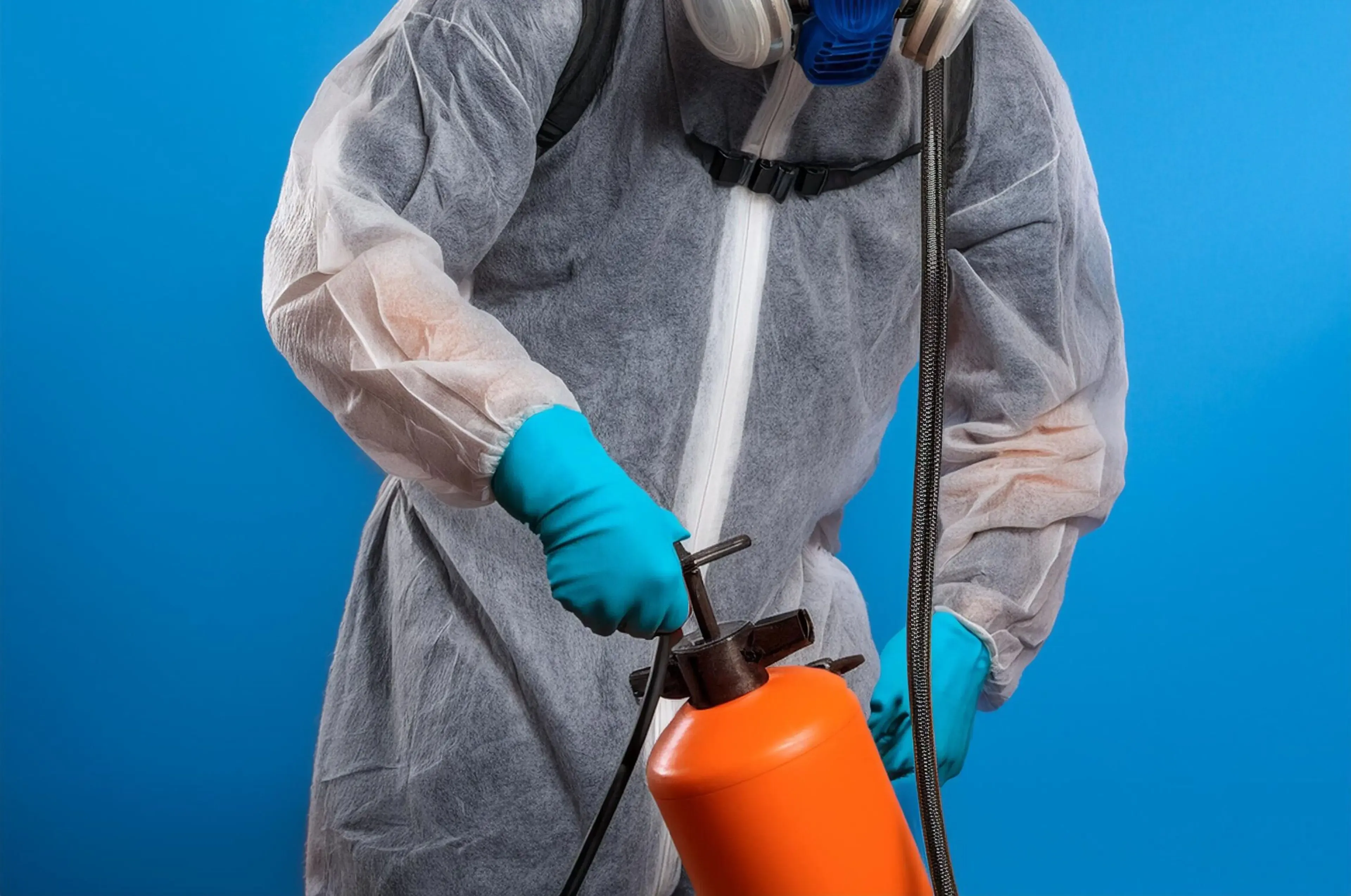
The reliable approach combines finding the source with targeted treatment, and that is where professional help pays off. At Blades, a technician first identifies where the larvae are breeding and feeding, then tailors the treatment to the severity and location of the problem. Several methods may be used together:
- Insecticidal sprays applied to the areas where beetles and larvae are most active - infested carpets, furniture and cracks in woodwork - killing insects on contact and giving fast relief.
- Insecticidal dusting powders, such as diatomaceous earth or specialist beetle powders, worked into cracks and crevices where the larvae hide. These penetrate the gaps a spray cannot reach and kill over time through dehydration.
- Heat treatment for large or heavily infested items, raising the temperature to levels that are lethal to both beetles and larvae.
- Fumigation for severe infestations, particularly in commercial or storage settings, sealing the affected area and introducing a gas toxic to beetles and their larvae - a job that demands professional application and strict safety precautions.
Crucially, treatment does not end with the first visit. We offer ongoing monitoring - regular inspections and the use of traps - to confirm the infestation is fully resolved and to catch any newly hatched larvae or returning beetles. This matters most where valuable textiles, heritage items or stored products are kept. You can read more about our carpet beetle control service and how we adapt it to homes and commercial sites.
Preventing carpet beetles
Once an infestation is cleared, a few habits keep it from coming back:
- Vacuum carpets, upholstery and the spaces under furniture regularly, focusing on dark, undisturbed areas.
- Inspect wool, silk and other natural-fibre items often, and store anything you rarely use in sealed containers.
- Keep windows, doors and vents well sealed so adult beetles cannot get in from the garden.
- Clear old birds' nests from lofts, eaves and disused chimneys - a frequent hidden source of new larvae.
- Act on the first signs rather than waiting; early detection prevents widespread, costly damage.
The law on carpet beetles
Carpet beetles have no specific legal protection in the UK. Unlike rats and mice, which fall under the Prevention of Damage by Pests Act 1949, there is no statutory duty placed on occupiers, and the beetles are not protected wildlife, so they can be controlled freely. The one legal requirement that does apply is that any insecticide used must be approved for the purpose and applied safely and responsibly, in line with the product label and the Control of Pesticides Regulations. That is precisely why professional, RSPH-qualified treatment is the sensible choice in occupied homes, and especially around children, pets and food preparation areas.
Get expert help
If you have spotted holes in your carpets or clothing, found the tell-tale woolly bear larvae, or noticed small beetles gathering at your windows in spring, don't wait for the damage to spread. Blades Pest Solutions provides same-day and 24/7 carpet beetle control across Ipswich, Suffolk and north Essex, with commercial cover available UK-wide for hotels, museums and care homes. We are RSPH-qualified and fully insured, we agree a clear plan with you from the outset, and we are confident in our work. For a free, no-obligation price, call us on 0800 037 7358.
FAQs
- How do I get rid of carpet beetles fast?
- The fastest route is to find and remove the source - often an old bird's nest in a loft, a forgotten woollen item, or larvae hidden under fitted carpet - then combine thorough cleaning with a targeted professional insecticide treatment. Shop-bought sprays alone rarely reach the larvae where they hide. Blades offers same-day and 24/7 call-outs across Suffolk and beyond.
- What is the difference between carpet beetles and clothes moths?
- Both eat natural fibres and leave small holes, but carpet beetle damage has no silken webbing. Instead you find fine, sand-like droppings and the cast brown skins of the hairy larvae, known as woolly bears. Getting the identification right matters because it changes how we treat the problem.
- Are carpet beetles harmful to health?
- Carpet beetles do not bite, sting or transmit disease. The main harm is to property, as the larvae destroy wool, silk, furs and other natural fibres. The tiny bristly larval hairs and shed skins can cause an itchy, allergic skin reaction called carpet beetle dermatitis in some people, while others in the same home are unaffected.
- How much does carpet beetle treatment cost?
- It depends on how widespread the infestation is, the size of the property, how many rooms or items need treating, and how hard the larvae are to reach. Many cases are resolved in a single visit. For an accurate, free, no-obligation price, call Blades on 0800 037 7358.
- Will carpet beetles go away on their own?
- Not reliably. Larvae feed and develop in warm, undisturbed spots all year round, and adults flying in from gardens and lofts in spring lay eggs that start the next generation indoors. Left alone, the damage usually continues and spreads, so it is best to act promptly.