
Local pest control
Bed Bug Control in Creeting St Peter
Creeting St Peter is a quiet rural parish in the Gipping Valley, tucked between Needham Market and Stowmarket just north of the A14 and surrounded by the arable farmland and mature hedgerows that define mid-Suffolk's landscape.

Bed Bug control in Creeting St Peter
Fast, local bed bug control across Creeting St Peter
In Creeting St Peter, bed bug pressure is shaped by the local mix of property and surroundings. A small, scattered rural parish (around 239 residents) of farmhouses, period cottages and converted barns interspersed with arable farmland, plus a handful of modern infill dwellings. Many properties have agricultural outbuildings, lofts and cavity-rich older fabric that offer pest harbourage.
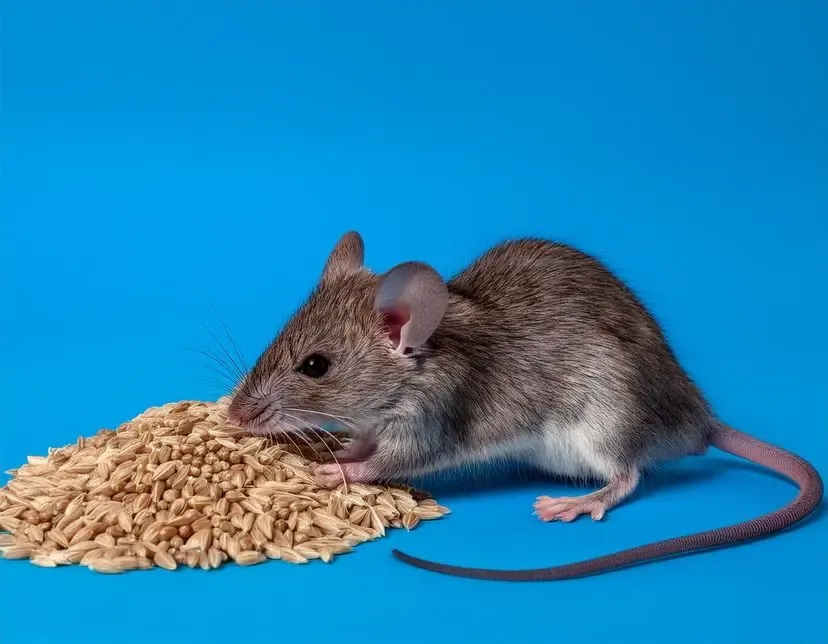
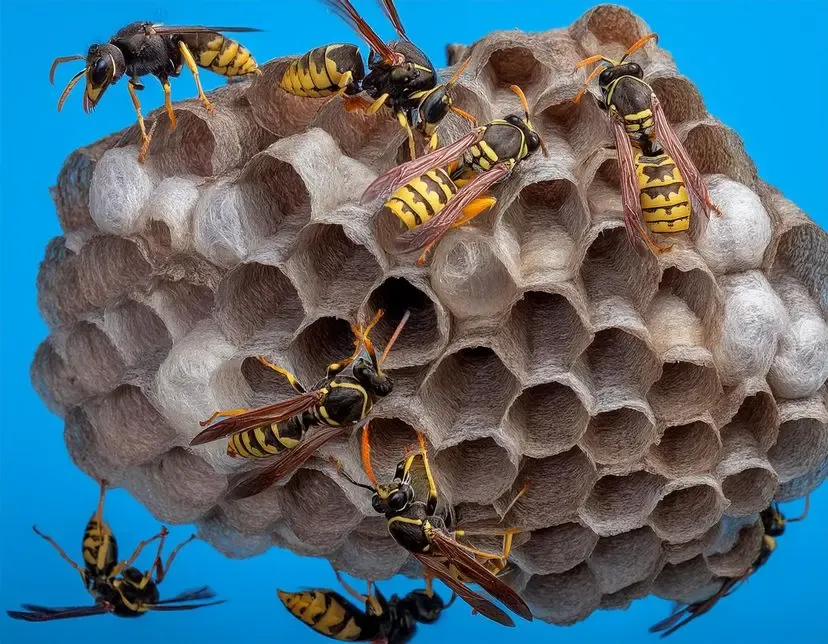
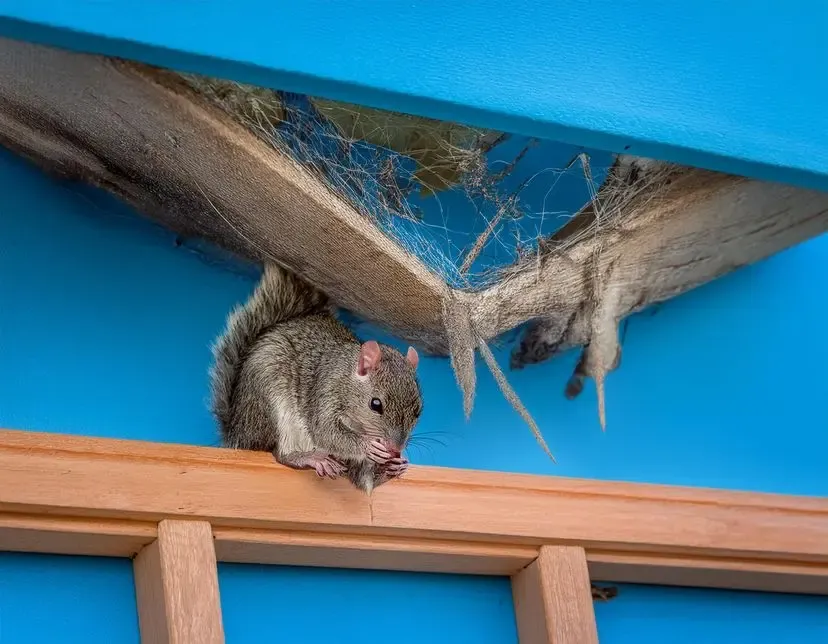
Creeting St Peter is a quiet rural parish in the Gipping Valley, tucked between Needham Market and Stowmarket just north of the A14 and surrounded by the arable farmland and mature hedgerows that define mid-Suffolk's landscape. The village sits close to Creeting St Mary and Earl Stonham, and like much of this agricultural belt it faces persistent pressure from field mice and brown rats moving into homes and outbuildings as crops are harvested each autumn. Older timber-framed properties and farm buildings provide ideal harbourage for wasp nests through the summer months, while grey squirrels frequently find their way into roof spaces across this well-wooded corner of the district. Blades Pest Solutions provides RSPH-qualified, fully insured pest control to Creeting St Peter and the surrounding parishes, with local engineers available for same-day appointments and a 24/7 emergency response whenever urgent treatment cannot wait.
Our promise
No small print - just confident, honest pest control
No small print, no empty promises. We agree a clear treatment plan and timeframe with you up front - and because every job is carried out by an RSPH-qualified engineer, we're confident enough in the result that return visits are rare.
Identification
How to identify bed bugs
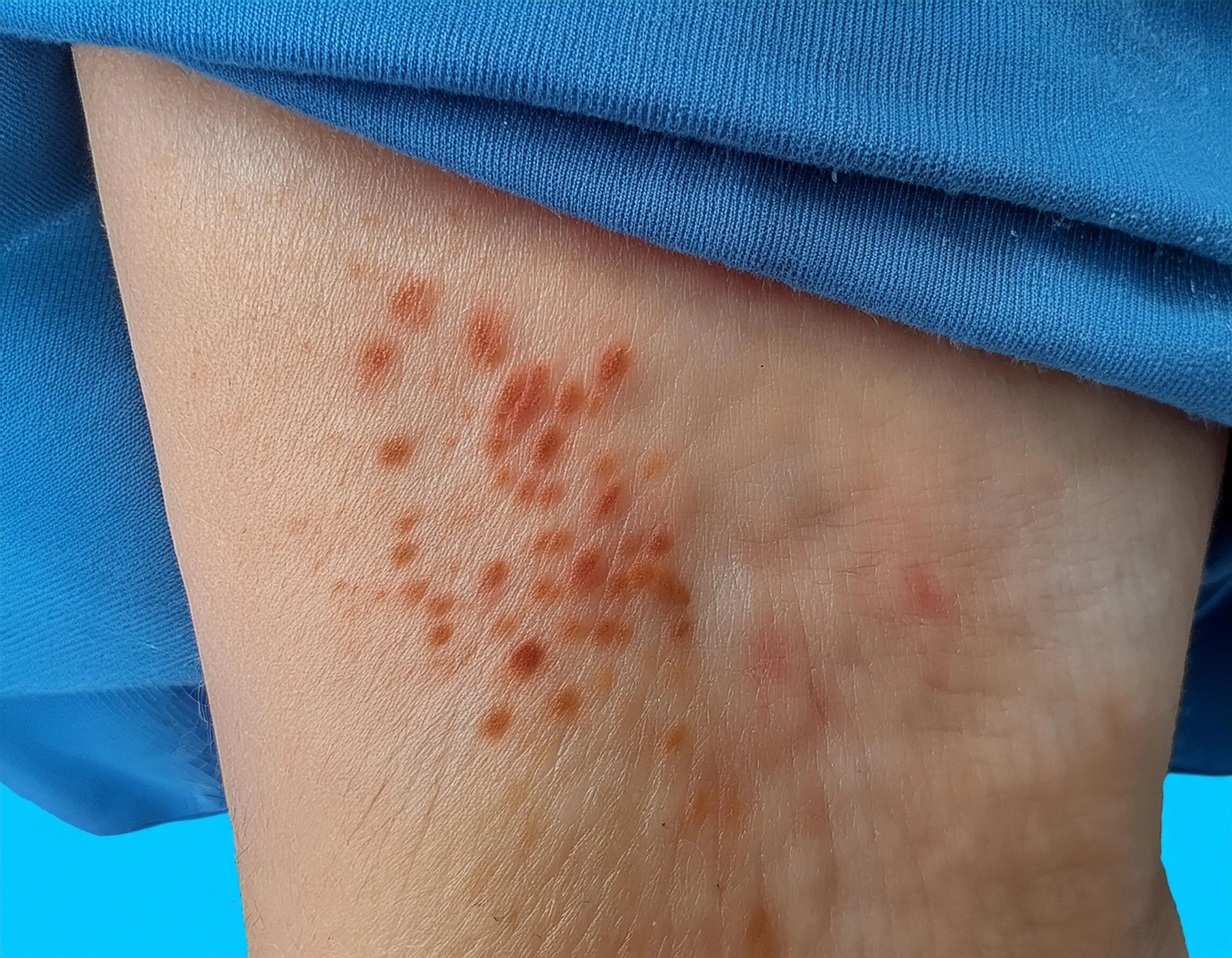
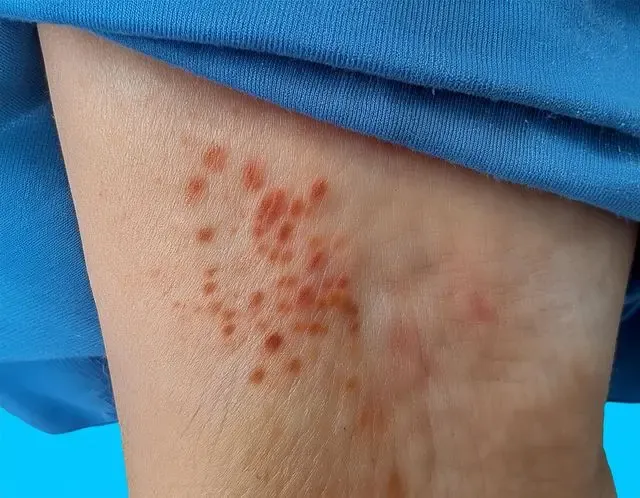
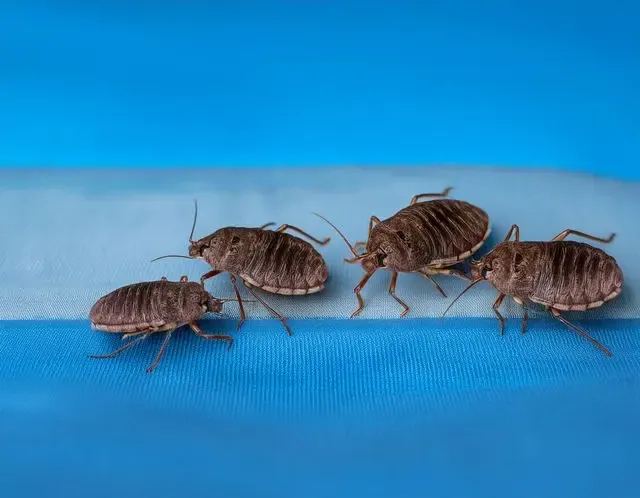
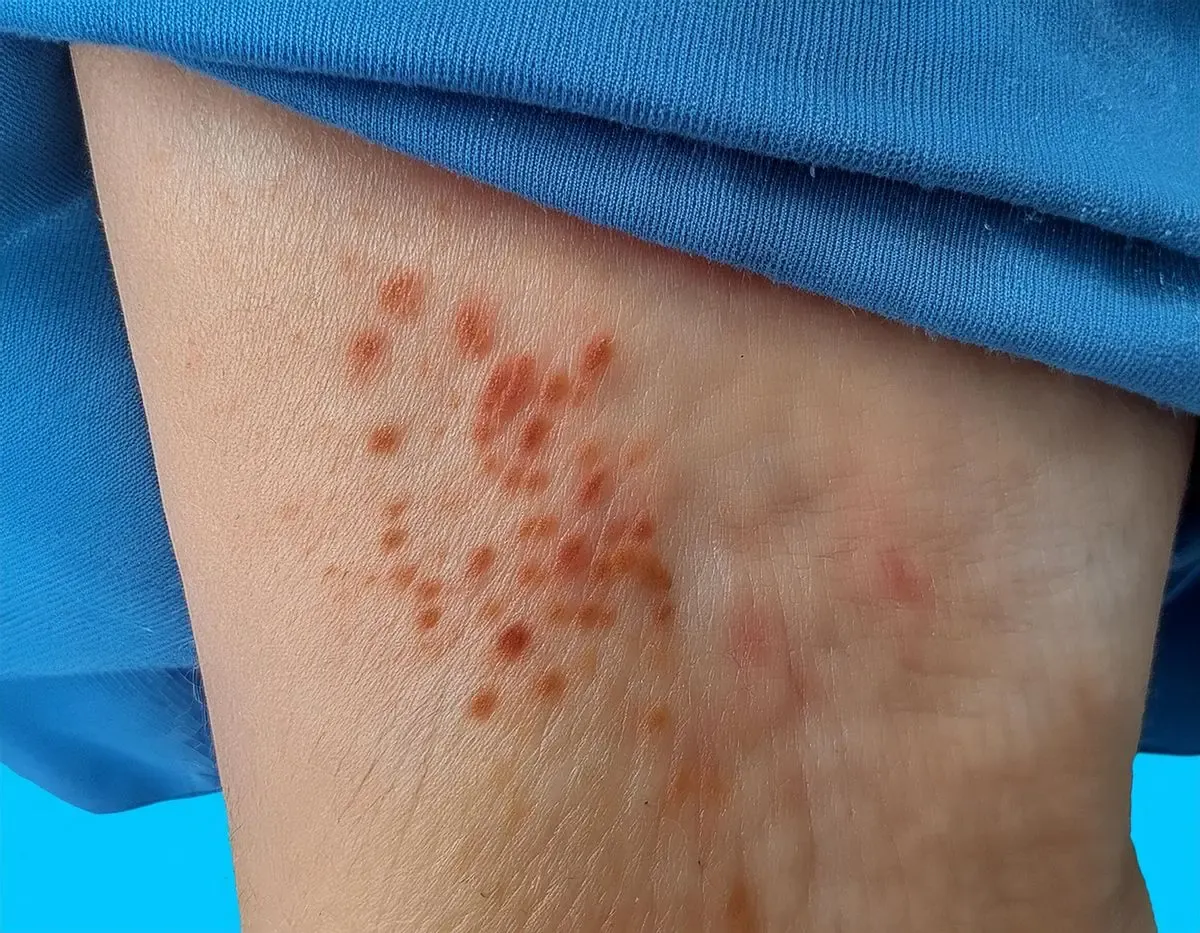
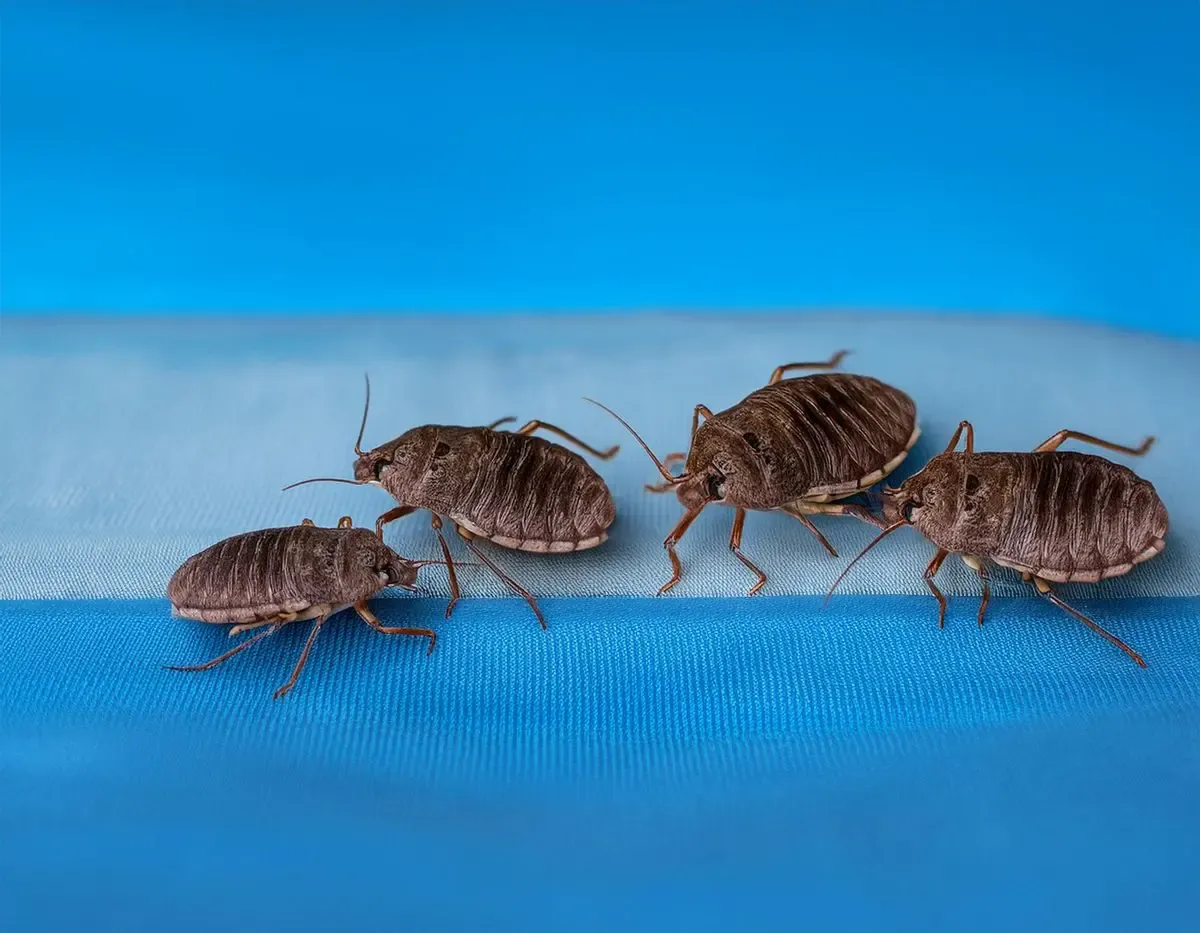
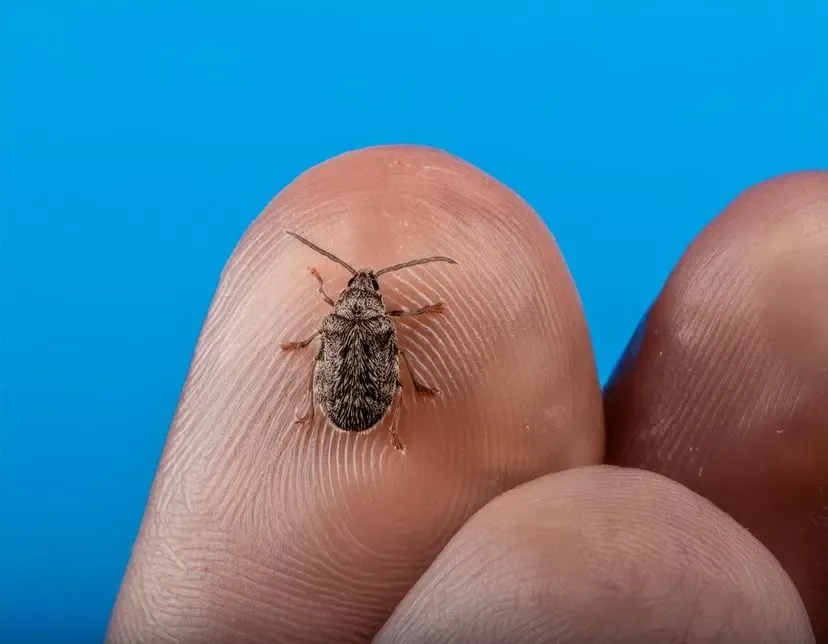
Bed bugs are small, flat, and oval-shaped insects, typically reddish-brown in colour. Adults are about 4-5 mm long, similar in size to an apple seed. They have six legs and small, non-functional wings. Common signs of a bed bug infestation include: Bites: Red, itchy welts on the skin, often in a line or cluster. Droppings: Tiny dark spots on bedding or mattress seams. Blood Stains: Small, reddish stains on sheets or pillowcases. Eggs and Shells: Tiny white eggs or shed skins around sleeping areas. Bed bugs are nocturnal and often hide in cracks and crevices during the day.
Warning signs
Signs of bed bugs in Creeting St Peter homes
Key signs to look for: live insects - flat, oval, reddish-brown adults around 4-5 mm long (apple-seed sized), found in mattress seams, bed frame joints, headboards and nearby cracks; small dark spots (faecal staining) resembling ink-pen dots on sheets, mattress piping, seams and behind headboards; rusty or reddish smears on bedding caused by crushed bugs after feeding; tiny pale-yellow shed skins (cast nymph skins) and minute white eggs roughly 1 mm long in crevices; a faint, sweet, musty almond-like odour in heavier infestations; and bite marks on the skin, typically appearing overnight in clusters or lines on exposed areas such as the arms, neck and legs. Because bed bugs are nocturnal and hide during the day, inspect cracks and crevices close to where people sleep - around the bed, behind skirting boards, behind loose wallpaper, in bedside furniture and along carpet edges. Bites alone are not reliable confirmation, as reactions vary and can resemble other insect bites; physical evidence of the bugs themselves is the dependable indicator.
Why it matters
Health & property risks
Bed bugs are not currently known to transmit any disease to humans, which distinguishes them from many other public-health pests. The main risks are: skin reactions - bites typically appear as red, itchy welts, often in lines or clusters, though reactions vary widely and some people show no visible marks at all while others react strongly; secondary skin infections (such as impetigo, folliculitis or cellulitis) caused by scratching broken skin; and in rare cases allergic reactions. Persistent infestations frequently cause significant psychological distress, including anxiety, insomnia and sleep deprivation, which can affect general wellbeing and daily functioning. Very heavy, prolonged infestations have occasionally been linked to anaemia in vulnerable individuals, but this is uncommon in the UK. There is also a social and reputational dimension - the stigma associated with bed bugs can cause considerable stress for households and businesses.
Got bed bugs in Creeting St Peter? Let's sort it today.
Speak to a local, RSPH-qualified engineer now. Same-day bed bug appointments and 24/7 emergency cover across Creeting St Peter.
Free quote · Same-day bed bug treatment in Creeting St Peter · 24/7
Our treatment
How we treat bed bugs in Creeting St Peter
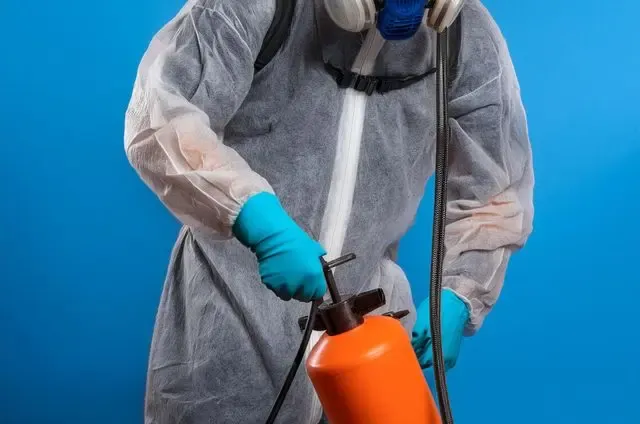
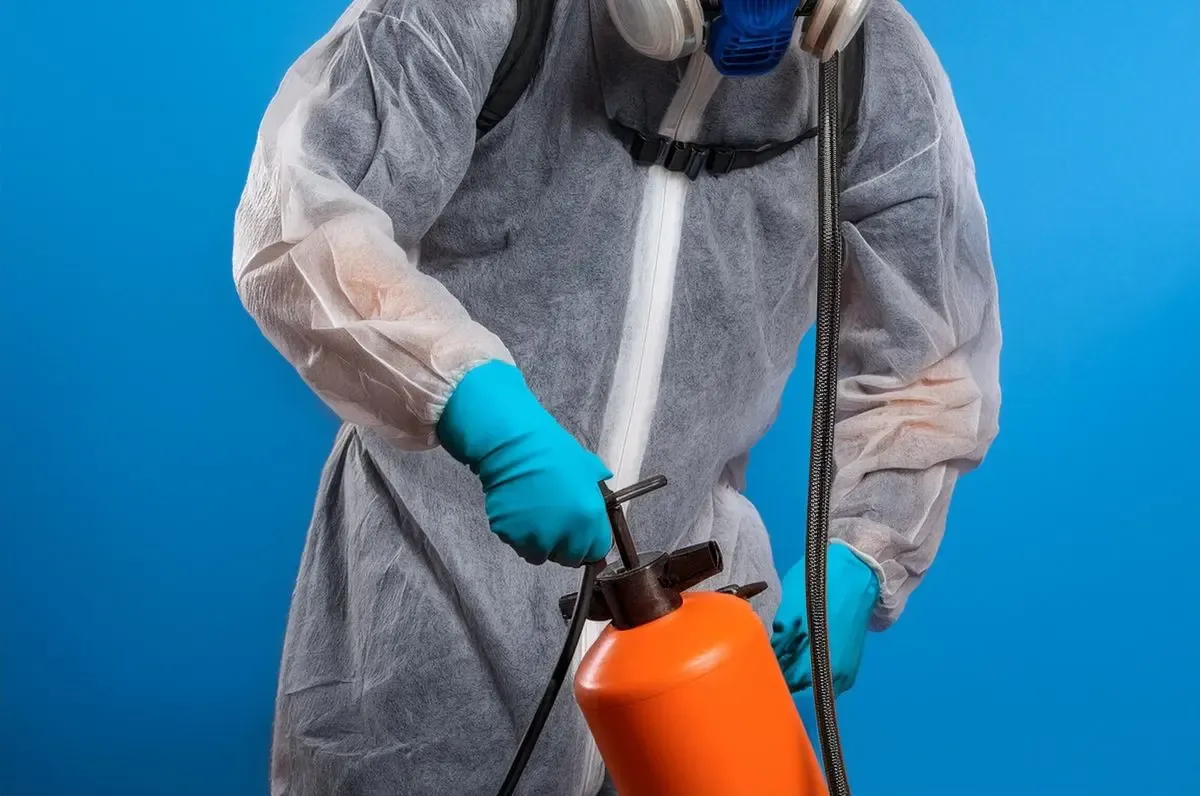
Blades Pest Solutions has several options for bed bug control: Heat Treatment: We use professional heat treatments to eliminate bed bugs by raising the temperature in infested areas. Insecticides: We apply targeted insecticides to areas where bed bugs hide, using products that are effective yet safe for use in homes. Monitoring: We set up bed bug monitors to track the infestation and ensure treatment effectiveness.
Our expert advice
At Blades Pest Solutions, we recommend a thorough approach to managing bed bugs: Inspect Bedding: Regularly check mattresses, box springs, and bed frames for signs of bed bugs. Vacuum Thoroughly: Vacuum carpets, upholstery, and along baseboards to remove bed bugs and their eggs. Wash and Heat Treat: Wash bed linens, pillowcases, and clothing in hot water and dry on high heat to kill bed bugs. Declutter: Reduce clutter around the bed to minimise hiding spots.
Keep them away
How to prevent bed bugs in Creeting St Peter
To prevent bed bugs, regularly inspect and clean bedding and upholstery, reduce clutter, and be cautious when travelling or bringing second-hand items into your home.
Did you know
Bed Bug facts
Disease Transmission: Bed bugs are not known to transmit diseases but can cause discomfort and secondary infections from scratching. Nocturnal Feeders: They feed on blood primarily at night, making their presence more noticeable when you wake up with bites. High Reproduction Rate: Bed bugs can lay up to 5 eggs a day, leading to rapid population growth if not controlled. Resistance: Bed bugs have developed resistance to some insecticides, making professional treatment often necessary. Hiding Spots: They can hide in a variety of places, including mattress seams, bed frames, and even behind wallpaper.
UK seasonality
When are bed bugs most active?
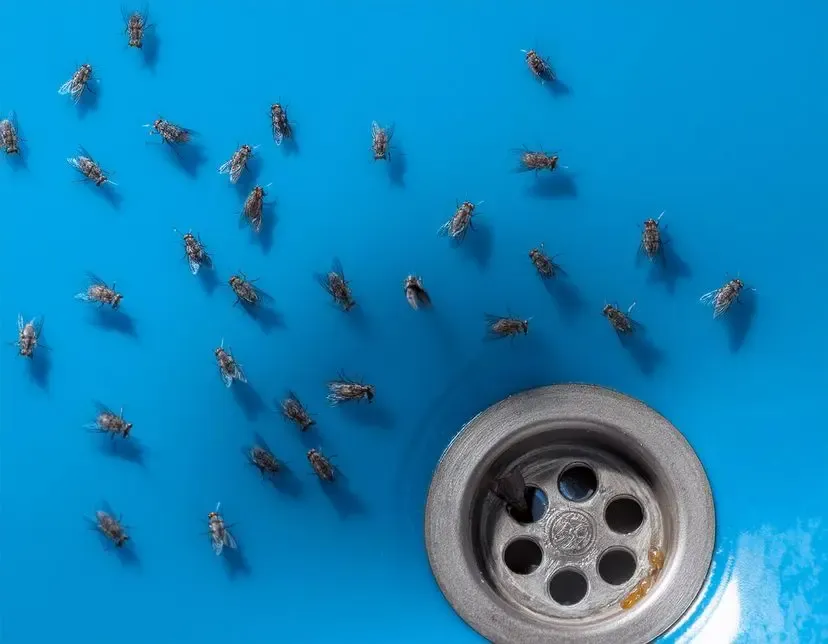
Bed bugs are an indoor, year-round pest in the UK and are not driven by outdoor seasons in the way that wasps or flies are, because heated homes provide a stable warm environment in every month. That said, there are seasonal patterns in how infestations spread. Activity and reproduction speed up in warmer conditions, so populations tend to build faster through the warmer months: April to September. June, July and August typically see the highest number of cases, coinciding with the peak UK travel and holiday season - bed bugs are spread by hitchhiking in luggage, on clothing and in second-hand furniture, so movement of people is the real driver. There is often a secondary rise around the December festive period and into the new year, linked to travel, visiting and holiday lets. In the cooler months (October to March) infestations may develop more slowly and bugs can become less active, but central heating means they rarely die off and established infestations continue to feed and breed all winter. In short, treatment is relevant in any season, with the busiest periods being mid-summer and around major travel/holiday times.
Coverage
Same-day bed bug call-outs across IP6
We cover Creeting St Peter and the surrounding Suffolk, including Creeting St Mary, Stowmarket, Needham Market, Bentley Ipswich.
Mid Suffolk District Council offers limited or paid-for pest services, so many Creeting St Peter residents and landlords call a private, RSPH-qualified contractor for a faster response.
From the streets around St Peter's Church (12th-century origins) to the outer lanes, our engineers know Creeting St Peter well.
- IP6
More local services
Other pests we treat in Creeting St Peter
Same-day, RSPH-qualified treatment for the pests most common in Creeting St Peter.


Nearby towns
Bed Bug control near Creeting St Peter
Local engineers covering towns right across Suffolk.
Questions
Bed Bug control in Creeting St Peter: FAQs
- How quickly can you reach Creeting St Peter for a bed bug problem?
- Our local engineers cover Creeting St Peter (IP6) with same-day appointments and 24/7 emergency response for urgent bed bug infestations.
- What are the signs of a bed bug infestation?
- Key signs to look for: live insects - flat, oval, reddish-brown adults around 4-5 mm long (apple-seed sized), found in mattress seams, bed frame joints, headboards and nearby cracks; small dark spots (faecal staining) resembling ink-pen dots on sheets, mattress piping, seams and behind headboards; rusty or reddish smears on bedding caused by crushed bugs after feeding; tiny pale-yellow shed skins (cast nymph skins) and minute white eggs roughly 1 mm long in crevices; a faint, sweet, musty almond-like odour in heavier infestations; and bite marks on the skin, typically appearing overnight in clusters or lines on exposed areas such as the arms, neck and legs. Because bed bugs are nocturnal and hide during the day, inspect cracks and crevices close to where people sleep - around the bed, behind skirting boards, behind loose wallpaper, in bedside furniture and along carpet edges.
- Do I need professional bed bug control, or will the council handle it in Creeting St Peter?
- Mid Suffolk District Council offer limited or paid-for pest services. As a RSPH-qualified contractor, Blades responds faster, treats discreetly and agrees a clear plan with you up front.
- How much does bed bug control cost in Creeting St Peter?
- A quote is shaped by several factors rather than a fixed price: the size of the infestation and how long it has been established (early, localised problems are quicker to resolve than widespread ones); the number and size of rooms or units affected, and whether it has spread between adjoining rooms or flats; the chosen treatment method - professional heat treatment versus targeted insecticide application, or a combination, with heat treatment generally costing more due to specialist equipment but offering a chemical-free, often single-visit option; the number of visits and follow-up inspections required, as bed bugs commonly need more than one treatment to break the life cycle and address eggs; the level of preparation and clutter, since heavily cluttered rooms take longer to treat and may need additional preparation work; ease of access to harbourage points such as built-in furniture, divan bases and fixed fittings; the property type and setting (a single room, a whole house, an HMO, a hotel or a block of flats); and monitoring requirements after treatment to confirm eradication. Insecticide resistance in some bed bug populations can also mean additional treatments or a switch to heat, affecting the overall quote.
- Are your bed bug treatments safe for pets and children?
- Yes. We use RSPH best-practice methods and target treatments responsibly so your family, pets and Creeting St Peter property stay safe.
- When are bed bugs most active?
- Bed bugs are an indoor, year-round pest in the UK and are not driven by outdoor seasons in the way that wasps or flies are, because heated homes provide a stable warm environment in every month. That said, there are seasonal patterns in how infestations spread.
Got bed bugs in Creeting St Peter? We'll sort it - fast.
Speak to a local, RSPH-qualified engineer now. 24/7 emergency cover and same-day bed bug response across Creeting St Peter and Suffolk.
24/7 emergency · Same-day response · RSPH-qualified