

Local pest control
Mouse Control in Creeting St Peter
Creeting St Peter is a quiet rural parish in the Gipping Valley, tucked between Needham Market and Stowmarket just north of the A14 and surrounded by the arable farmland and mature hedgerows that define mid-Suffolk's landscape.




Mouse control in Creeting St Peter
Fast, local mouse control across Creeting St Peter
Old farmhouses, barns and stone/timber cottages with gaps and grain on hand give field and house mice abundant harbourage, with autumn migration indoors as surrounding crop fields are harvested.
Creeting St Peter is a quiet rural parish in the Gipping Valley, tucked between Needham Market and Stowmarket just north of the A14 and surrounded by the arable farmland and mature hedgerows that define mid-Suffolk's landscape. The village sits close to Creeting St Mary and Earl Stonham, and like much of this agricultural belt it faces persistent pressure from field mice and brown rats moving into homes and outbuildings as crops are harvested each autumn. Older timber-framed properties and farm buildings provide ideal harbourage for wasp nests through the summer months, while grey squirrels frequently find their way into roof spaces across this well-wooded corner of the district. Blades Pest Solutions provides RSPH-qualified, fully insured pest control to Creeting St Peter and the surrounding parishes, with local engineers available for same-day appointments and a 24/7 emergency response whenever urgent treatment cannot wait.
Our promise
No small print - just confident, honest pest control
No small print, no empty promises. We agree a clear treatment plan and timeframe with you up front - and because every job is carried out by an RSPH-qualified engineer, we're confident enough in the result that return visits are rare.
Identification
How to identify mice
Mice are typically recognised by their small size, with bodies measuring 7-10 cm long, not including the tail. They have soft, grey or brown fur, large ears, and long, thin tails. Their droppings are small, dark, and pellet-shaped. Common signs of a mouse infestation include: Tiny droppings Gnaw marks on food packaging and materials Nesting materials like shredded paper or fabric Greasy trails along walls Mice are nocturnal and can often be heard scurrying at night.

Warning signs
Signs of mice in Creeting St Peter homes
Common indicators of a mouse infestation include: - Droppings: Small, dark, rod- or grain-shaped droppings (around 3-6 mm long) found along skirting, in cupboards, under sinks, in lofts and near food. Fresh droppings are dark and moist; older ones are grey and crumbly. Concentrations often appear near food sources and runs. - Gnaw marks and damage: Fresh gnawing on food packaging, cardboard, wood, plastic, insulation and cabling. Mice gnaw constantly to keep their incisors worn down. - Nests: Shredded soft material such as paper, fabric, loft insulation and packaging, typically in concealed, undisturbed areas (lofts, behind appliances, in wall cavities, under floorboards). - Smear/grease marks: Greasy, dark smudges along regular runs where the body brushes walls, pipes and beams, though these are fainter than those left by rats. - Sounds: Scratching, gnawing and scurrying noises at night from lofts, walls and under floors, as mice are largely nocturnal. - Odour: A persistent stale, musky, ammonia-like smell of mouse urine in enclosed spaces, which becomes stronger with larger or longer-standing infestations. - Live or dead sightings: Daytime sightings often indicate a larger established population. Pets repeatedly fixating on a particular spot can also be a clue. - Footprints and runs: Tracks or disturbance in dust, and well-used runways through clutter or vegetation.
Why it matters
Health & property risks
Mice present several health risks to occupants of an infested property: - Disease transmission: Mice can carry and spread pathogens through their urine, droppings, saliva and contaminated fur. These include Salmonella (food poisoning), Leptospira (leptospirosis/Weil's disease, though more associated with rats), Hantavirus, Lymphocytic choriomeningitis virus (LCMV) and Listeria. - Food contamination: A single mouse can leave behind a large number of droppings and frequently urinates as it moves, contaminating food preparation surfaces and stored food. Contaminated stock must be discarded, which is a particular concern for food businesses subject to Food Standards Agency hygiene requirements. - Allergens and respiratory effects: Mouse urine proteins, dander and droppings are recognised allergens and can trigger or worsen asthma and allergic rhinitis, especially in children and sensitised individuals. - Parasites: Mice can introduce fleas, mites and ticks into a property. - Indirect/safety risk: Gnawing of electrical cabling is a documented fire risk, and gnawed gas or water pipes can cause further damage. While not a direct "disease", this is a significant health and safety hazard. Risk is highest where mice have access to kitchens, food storage, lofts and wall voids near living spaces.
Got mice in Creeting St Peter? Let's sort it today.
Speak to a local, RSPH-qualified engineer now. Same-day mouse appointments and 24/7 emergency cover across Creeting St Peter.
Free quote · Same-day mouse treatment in Creeting St Peter · 24/7

Our treatment
How we treat mice in Creeting St Peter
Blades Pest Solutions uses a thorough approach to manage mouse infestations: Traps: We deploy various traps, including snap traps and live traps, to capture mice effectively. Rodenticides: When needed, we use rodenticides safely and responsibly to reduce risks to non-target animals. Exclusion Techniques: We seal entry points and provide advice on repairs to prevent future issues. Follow-Up: Our follow-up visits ensure the effectiveness of the treatment and allow us to make any necessary adjustments.
Our expert advice
At Blades Pest Solutions, we suggest a proactive approach to mouse control: Secure Food Sources: Store food in airtight containers and promptly clean up spills and crumbs. Reduce Clutter: Clear clutter from areas such as basements and attics where mice may nest. Inspect and Seal: Check for small gaps and holes in walls, floors, and foundations, and seal them with materials like steel wool or caulk. Maintain Cleanliness: Regularly clean your property to remove potential nesting sites and food sources.
Keep them away
How to prevent mice in Creeting St Peter
To prevent mice, secure all food sources, eliminate clutter, seal entry points, and maintain a clean property to reduce nesting opportunities.
Did you know
Mouse facts
Disease Carriers: Mice can carry diseases such as leptospirosis and salmonella, posing health risks. Gnawing Behaviour: Their constant gnawing can damage electrical wiring and structural components. Rapid Reproduction: Female mice can have up to 10 litters a year, each with 5-6 pups, leading to rapid population growth. Climbing Ability: Mice are agile climbers and can access buildings through high entry points as well as low ones. Adaptability: Mice are highly adaptable and can thrive in diverse environments, from urban areas to rural settings.

UK seasonality
When are mice most active?
Mice are active all year round in the UK, but indoor problems follow a clear seasonal pattern as outdoor mice (such as field/wood mice) seek shelter and food. - January-February: Peak indoor activity. Cold weather drives mice into the warmth of buildings; lofts, wall voids and kitchens are heavily used. Reproduction can continue indoors in heated properties. - March-April: Activity remains high but begins to ease as temperatures rise; some mice move back outdoors. Spring breeding ramps up. - May-June: Lower indoor pressure as food and shelter are abundant outside. Outdoor populations grow as the breeding season is in full swing. - July-August: Mainly outdoor activity in gardens, fields and outbuildings. Indoor sightings are typically lower, often linked to isolated entry or food availability. - September-October: Numbers peak after the summer breeding season, then the first cold snaps trigger a marked move indoors. This is one of the busiest periods for mouse callouts as mice seek overwintering harbourage. - November-December: High indoor activity continues into winter. Mice settle into nesting sites within the fabric of buildings; food stored for the festive period can attract them. Because house mice readily live and breed indoors, a heated UK property can sustain activity in every month, but the autumn "invasion" (September-October) and the deep-winter peak are when most infestations are noticed.
Coverage
Same-day mouse call-outs across IP6
We cover Creeting St Peter and the surrounding Suffolk, including Creeting St Mary, Stowmarket, Needham Market, Bentley Ipswich.
Mid Suffolk District Council offers limited or paid-for pest services, so many Creeting St Peter residents and landlords call a private, RSPH-qualified contractor for a faster response.
From the streets around St Peter's Church (12th-century origins) to the outer lanes, our engineers know Creeting St Peter well.
- IP6
More local services
Other pests we treat in Creeting St Peter
Same-day, RSPH-qualified treatment for the pests most common in Creeting St Peter.
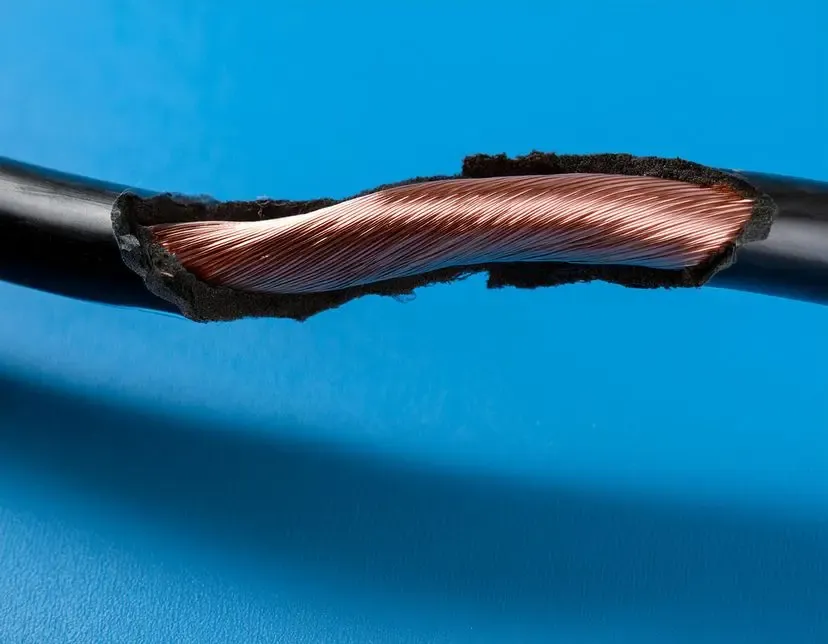
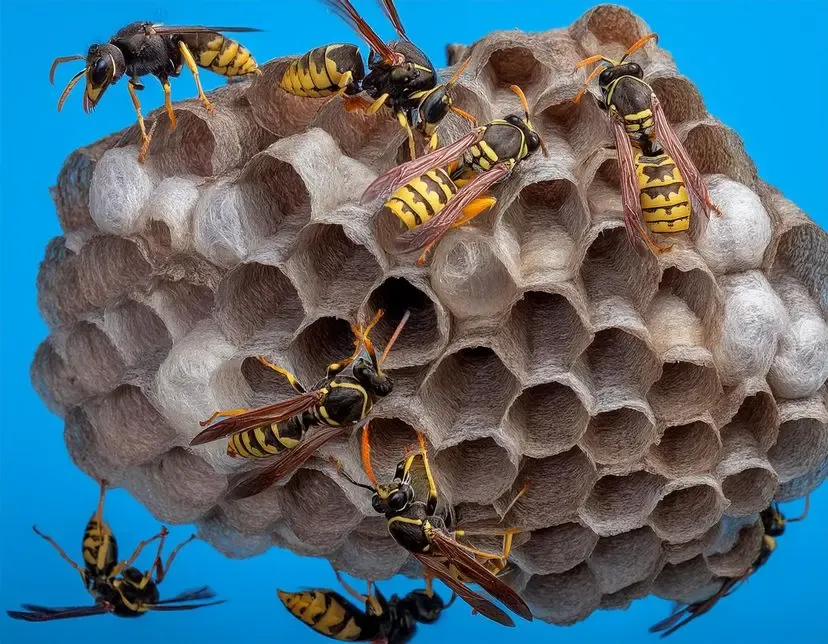
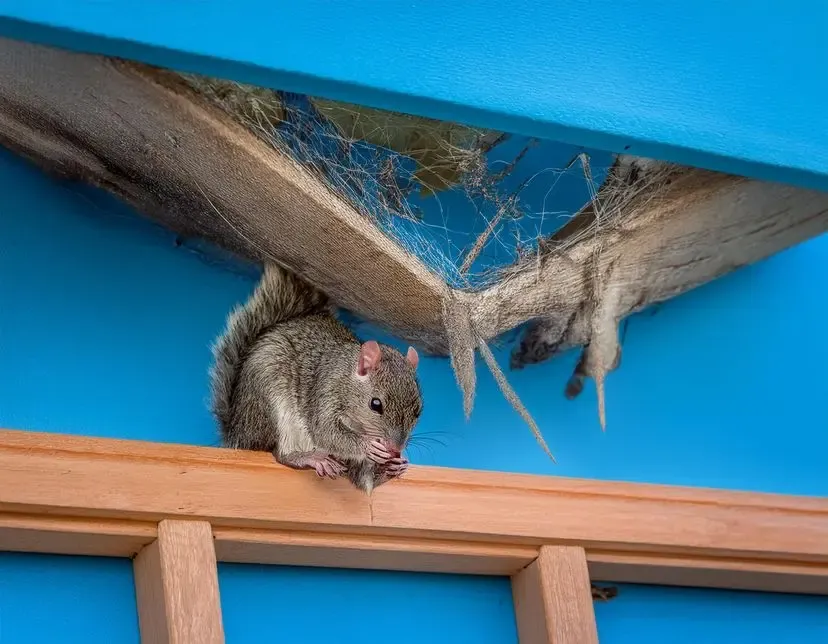
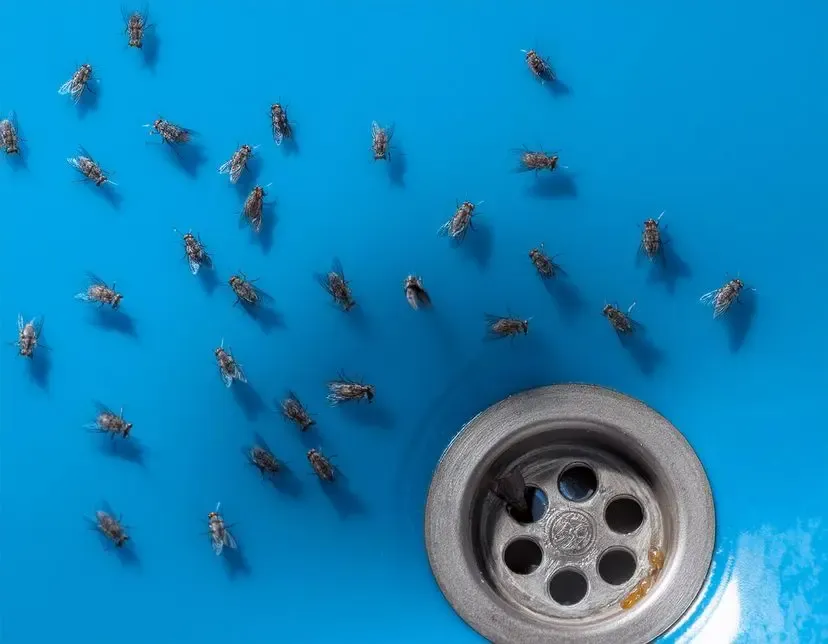


Nearby towns
Mouse control near Creeting St Peter
Local engineers covering towns right across Suffolk.
Questions
Mouse control in Creeting St Peter: FAQs
- How quickly can you reach Creeting St Peter for a mouse problem?
- Our local engineers cover Creeting St Peter (IP6) with same-day appointments and 24/7 emergency response for urgent mouse infestations.
- Why are mice common in Creeting St Peter?
- Old farmhouses, barns and stone/timber cottages with gaps and grain on hand give field and house mice abundant harbourage, with autumn migration indoors as surrounding crop fields are harvested.
- What are the signs of a mouse infestation?
- Common indicators of a mouse infestation include: - Droppings: Small, dark, rod- or grain-shaped droppings (around 3-6 mm long) found along skirting, in cupboards, under sinks, in lofts and near food. Fresh droppings are dark and moist; older ones are grey and crumbly.
- Do I need professional mouse control, or will the council handle it in Creeting St Peter?
- Mid Suffolk District Council offer limited or paid-for pest services. As a RSPH-qualified contractor, Blades responds faster, treats discreetly and agrees a clear plan with you up front.
- How much does mouse control cost in Creeting St Peter?
- A mouse control quote is shaped by several factors rather than a single fixed price: - Severity and extent of infestation: A few mice in one room costs less to resolve than an established population spread across multiple floors, the loft and wall cavities. - Property size and type: Larger homes, multi-occupancy buildings and commercial premises require more bait points, more traps and more inspection time.
- Are your mouse treatments safe for pets and children?
- Yes. We use RSPH best-practice methods and target treatments responsibly so your family, pets and Creeting St Peter property stay safe.
- When are mice most active?
- Mice are active all year round in the UK, but indoor problems follow a clear seasonal pattern as outdoor mice (such as field/wood mice) seek shelter and food. - January-February: Peak indoor activity.
Got mice in Creeting St Peter? We'll sort it - fast.
Speak to a local, RSPH-qualified engineer now. 24/7 emergency cover and same-day mouse response across Creeting St Peter and Suffolk.
24/7 emergency · Same-day response · RSPH-qualified