
Local pest control
Bee Control in Henley
Henley is a quiet rural village perched between two valleys in the heart of Mid Suffolk, with the Fynn Valley to the east and the Gipping Valley communities of Claydon and Barham lying to the west.



Bee control in Henley
Fast, local bee control across Henley
In Henley, bee pressure is shaped by the local mix of property and surroundings. A small rural village of roughly 225 dwellings (population around 570), set on a hilltop between two valleys. Housing is a mix of older period and former agricultural cottages around the church core, plus later 20th-century and modern infill, with many detached and semi-detached homes bordered by open farmland.
Henley is a quiet rural village perched between two valleys in the heart of Mid Suffolk, with the Fynn Valley to the east and the Gipping Valley communities of Claydon and Barham lying to the west. Its mix of traditional timber-framed properties, agricultural land, and proximity to ancient woodland creates ideal conditions for rats, field mice, and grey squirrels — particularly as autumn drives small mammals indoors seeking warmth. Wasp and hornet nests commonly establish in roof spaces and outbuildings during the warmer months, while mole activity is a persistent challenge across the well-kept gardens and paddocks typical of the area. Blades Pest Solutions provides RSPH-qualified, fully insured pest control to Henley and the surrounding villages, with same-day appointments available and a 24/7 emergency line so no infestation is left to worsen overnight.
Our promise
No small print - just confident, honest pest control
No small print, no empty promises. We agree a clear treatment plan and timeframe with you up front - and because every job is carried out by an RSPH-qualified engineer, we're confident enough in the result that return visits are rare.
Identification
How to identify bees
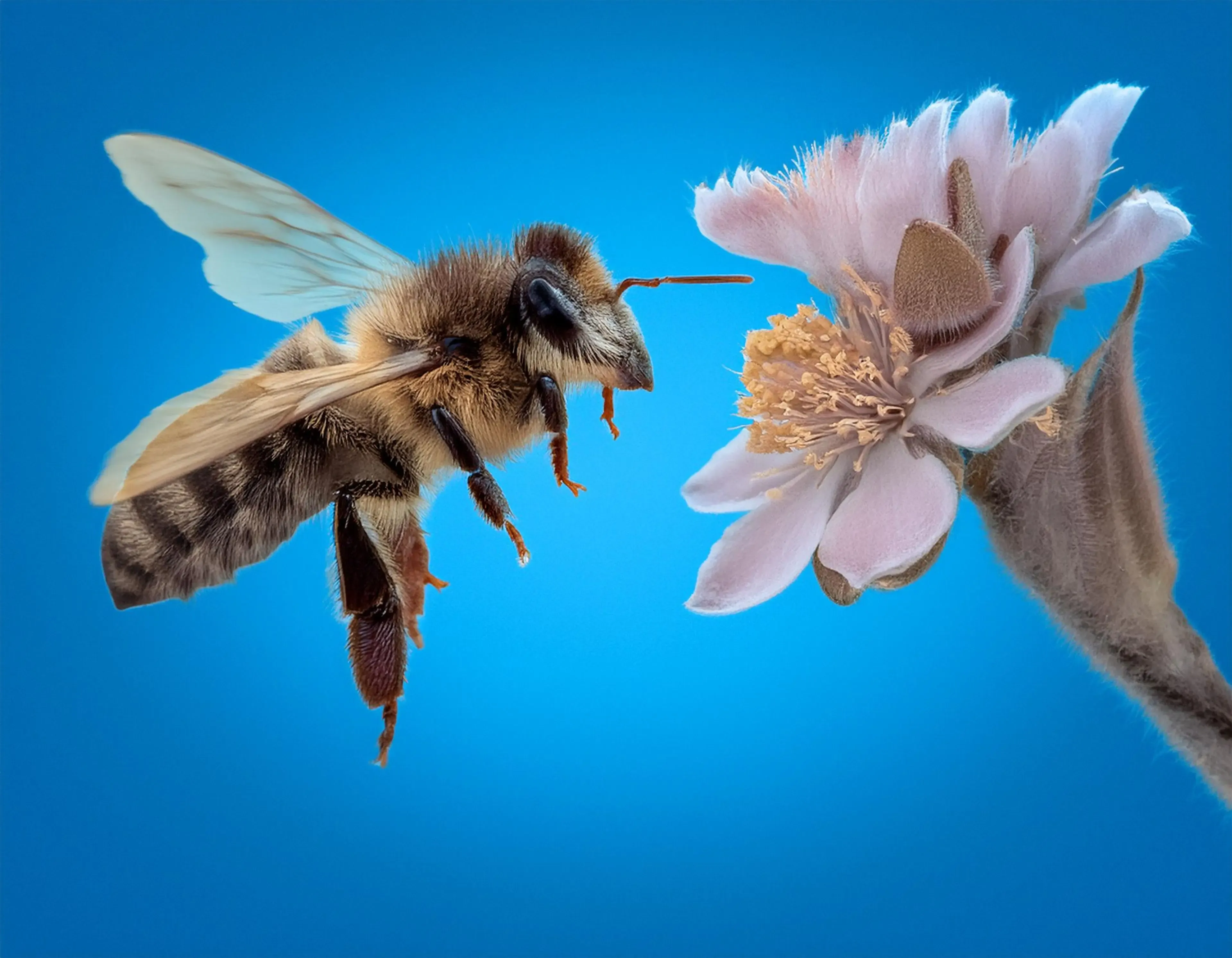
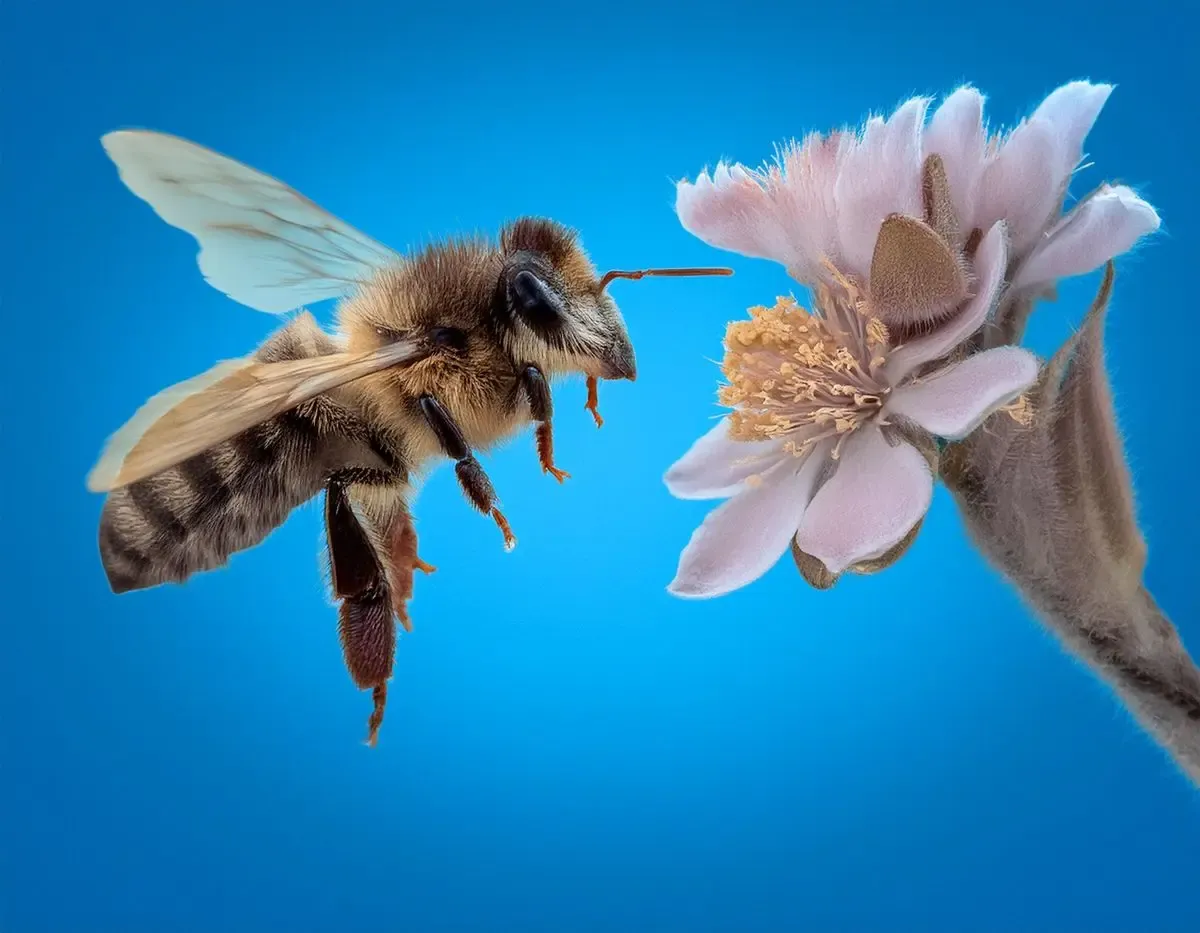
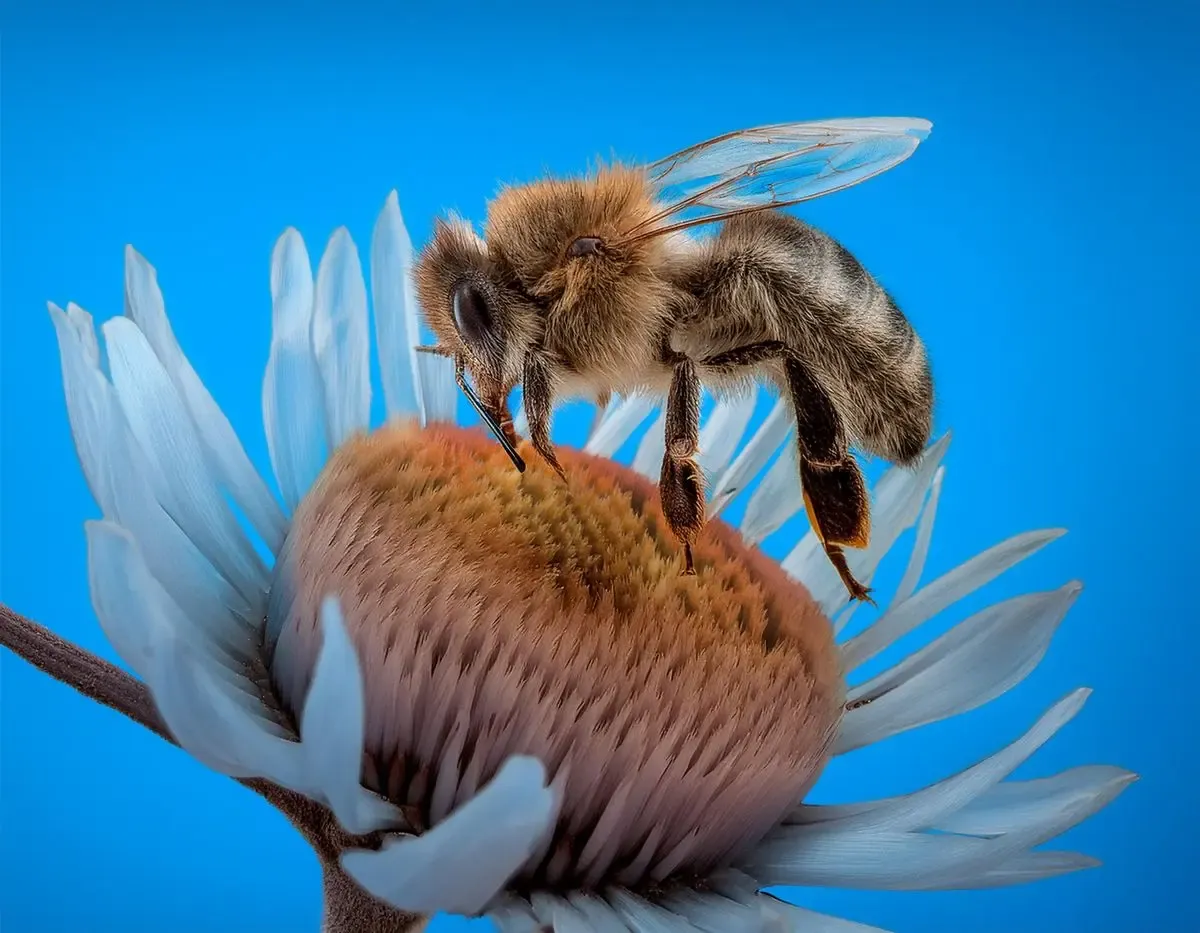
Recognising Bees: Identifying bees correctly is crucial for managing their presence safely and effectively. Here are key characteristics to help you recognise bees: Identification Features: Physical Appearance: Bees are typically robust with hairy bodies and can range in colour from golden-yellow to black. They are usually about 1-2 cm long. Behaviour: Bees are generally non-aggressive unless provoked and are often seen around flowers collecting pollen and nectar. Nest Locations: Bees can nest in a variety of places including tree hollows, wall cavities, and underground burrows. Honey bees often form hives in sheltered locations. Sound: Bees produce a distinct buzzing sound, which can help in identifying their presence. Common Types of Bees: Honey Bees: Known for their role in pollination and honey production, often seen in gardens and farms. Bumblebees: Larger and hairier, commonly found in gardens and woodlands. Solitary Bees: Nest individually rather than in colonies, often in soil or wood.
Warning signs
Signs of bees in Henley homes
Bees do not "infest" a property in the pest sense, but the following indicate an established presence rather than passing foragers: - A steady, two-way stream of bees coming and going from a single point such as an airbrick, soffit, roof tile gap, chimney pot or wall cavity, especially on warm afternoons. - A swarm: a dense, hanging cluster of thousands of honey bees on a branch, fence post, wall or chimney, often arriving suddenly and accompanied by loud buzzing. Swarms are usually temporary, staying a few hours to a couple of days while scouts find a permanent home. - Audible buzzing from within a wall, ceiling void, chimney breast or loft, sometimes felt as a faint vibration. - Honey or wax seepage, brown staining or a sweet, fermenting smell on internal walls or ceilings, indicating an established honey bee colony within the structure. - For bumblebees: a small number of large, hairy bees entering a hole in the ground, a compost heap, a bird box, an air vent or under decking and loft insulation. - For mining bees: small volcano-like mounds of fine soil in lawns or borders in spring, each with a single bee. - For mortar/masonry bees: small round holes and fine dust in soft or eroded mortar joints, with single bees hovering close to old brickwork. Distinguish from wasps, whose nests show a grey, papery construction and whose traffic is faster and more erratic.
Why it matters
Health & property risks
For most people the main risk from bees is a sting, which causes localised pain, redness and swelling. Honey bees leave their barbed sting and venom sac embedded in the skin; this should be scraped out sideways rather than pinched, as squeezing pumps in more venom. Bumblebees and solitary bees can sting but very rarely do, and solitary bees are effectively harmless. The most serious risk is anaphylaxis in people with a bee-venom allergy. Signs include widespread hives, swelling of the face, lips, tongue or throat, difficulty breathing, dizziness or collapse, and this is a medical emergency requiring 999 and, where available, an adrenaline auto-injector (EpiPen). Multiple simultaneous stings, most likely when a colony is disturbed, can cause a toxic reaction even in non-allergic individuals, so a defensive colony near a doorway, footpath or play area is treated as a genuine hazard. Secondary risks are largely physical rather than disease-related: bees do not transmit human disease in the way rodents do. However, a large established honey bee colony in a cavity or chimney can leave significant honeycomb and honey deposits; if the colony later dies or is treated, melting honey can stain ceilings, attract wasps, ants and rodents, and cause damp and odour problems. Panic reactions to swarms (for example on ladders or near roads) are also a recognised injury risk.
Got bees in Henley? Let's sort it today.
Speak to a local, RSPH-qualified engineer now. Same-day bee appointments and 24/7 emergency cover across Henley.
Free quote · Same-day bee treatment in Henley · 24/7
Our treatment
How we treat bees in Henley
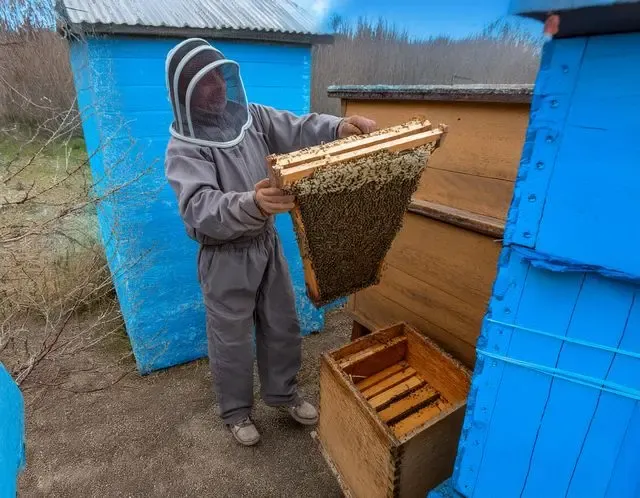
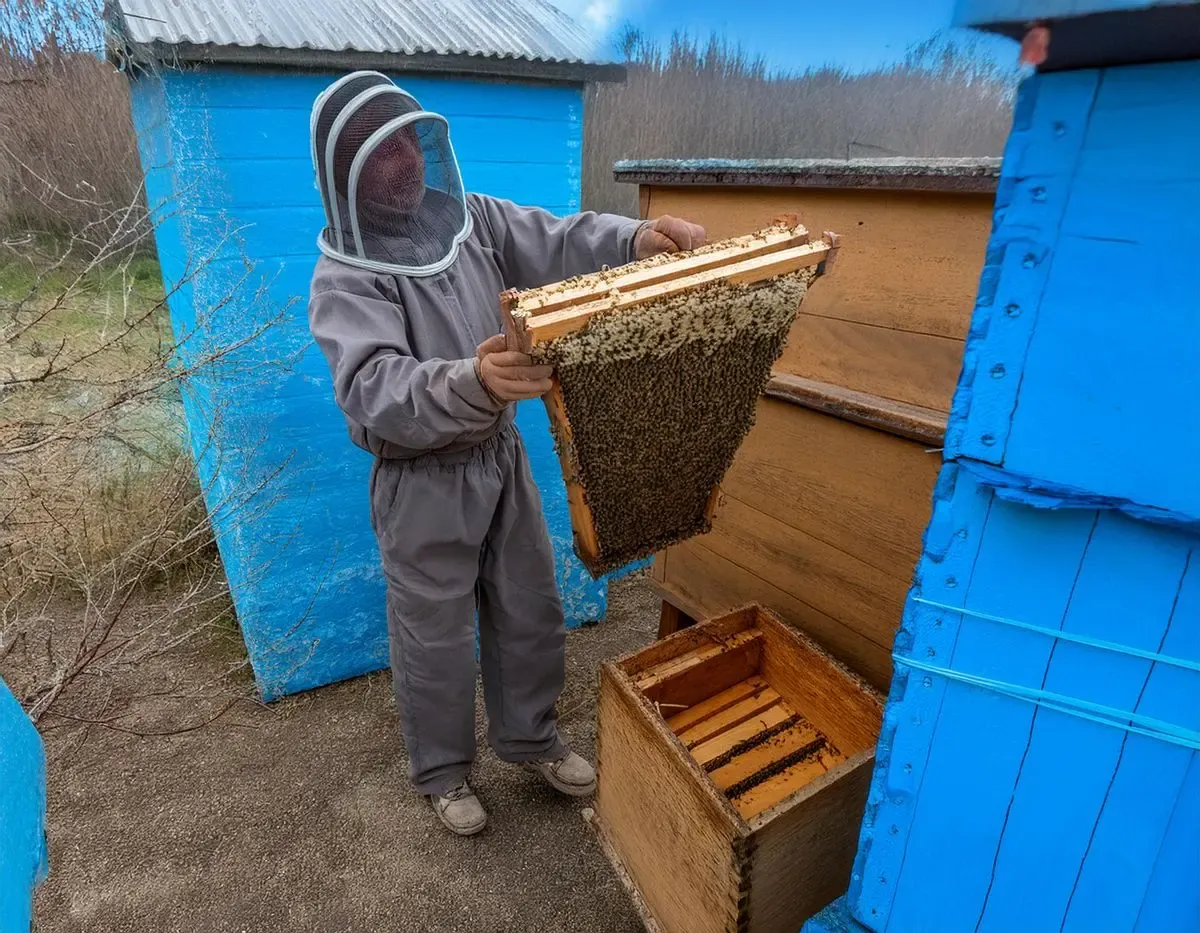
Treatment Approach: Blades Pest Solutions offers effective methods for dealing with bee infestations while prioritising safety and environmental responsibility. Here’s our approach: Treatment Options: Relocation: Wherever possible, we work with local beekeepers to relocate bee swarms and nests safely. Honey bee swarms can often be relocated by contacting the British Beekeepers Association. Controlled Treatment: In cases where relocation isn't feasible, we use safe and effective methods to manage bee populations. Preventative Measures: We provide advice and solutions to prevent bees from nesting in problematic areas. Preparation for Treatment: Preparation Guidelines: Ensure that the area is accessible and follow any specific instructions provided by our team. Post-Treatment Actions: Follow our recommendations to prevent future infestations and maintain safety.
Our expert advice
Managing Bee Presence: Dealing with bees requires a thoughtful approach to ensure safety and conservation. Here are our expert recommendations: Inspection Tips: Regular Checks: Inspect your property for signs of bee activity, particularly in spring and summer. Professional Assessment: If you suspect a significant bee presence, consider a professional inspection for a thorough assessment. Handling Bee Swarms: Stay Calm: If you encounter a bee swarm, stay calm and avoid sudden movements. Bees are usually non-aggressive during swarming. Contact Professionals: For safe removal or relocation, contact professional pest controllers. Honey bee swarms can often be safely collected by the British Beekeepers Association. Visit BBKA Swarm Removal as the first port of call.
Keep them away
How to prevent bees in Henley
To prevent bees from nesting in unwanted areas, regularly inspect potential nesting sites and seal any cracks or holes in walls and roofs. Keep sweet foods and drinks covered when outdoors.
Did you know
Bee facts
Bee Facts: Understanding key facts about bees can help you appreciate their role in the ecosystem and manage their presence responsibly. Key Facts: Pollination: Bees play a critical role in pollinating plants, which is vital for food production and biodiversity. Non-Aggressive Nature: Most bees are non-aggressive and will only sting in self-defence or if they feel threatened. Swarming: Swarming is a natural process where bees leave their hive to form a new colony. Swarms are generally not aggressive. Species Diversity: There are over 250 species of bees in the UK, each with unique behaviours and habitats.
UK seasonality
When are bees most active?
Bee activity in the UK is strongly seasonal and aligns with flowering and temperature. - January-February: Most colonies dormant. Honey bees cluster quietly in the hive/cavity; little outside activity. Mild spells may bring out occasional bumblebee queens. - March: Queen bumblebees emerge from hibernation to feed and search for nest sites. Early honey bee foraging begins. First mining bee activity in warm spots. - April: Activity ramps up. Bumblebee queens establish nests; solitary and mining bees become noticeable; mortar/masonry bees active around older brickwork. Honey bee colonies expanding rapidly. - May-June: Peak season and the main swarming period for honey bees, when established colonies split and large swarms appear and seek new homes (cavities, chimneys, lofts). Highest volume of swarm and nest call-outs. - July: Colonies at full strength. Bumblebee nests reach peak size; high foraging activity in warm weather. Some late honey bee swarming. - August: Bumblebee colonies begin to decline and produce new queens and males. Honey bee colonies still strong; wasp confusion is common at this time, so accurate identification matters. - September: Bumblebee nests largely die out naturally, leaving empty nests. Honey bees prepare for winter; new bumblebee queens seek hibernation sites. - October-December: Activity winds down to near zero. Honey bees overwinter as a colony; bumblebee queens hibernate. Empty bumblebee/solitary nests can be safely proofed during this dormant window. Best time for relocation is spring and early summer for honey bee swarms; best time for proofing and prevention is autumn/winter once colonies are inactive.
Coverage
Same-day bee call-outs across IP6
We cover Henley and the surrounding Suffolk, including Witnesham, Claydon, Coddenham, Ipswich.
Mid Suffolk District Council offers limited or paid-for pest services, so many Henley residents and landlords call a private, RSPH-qualified contractor for a faster response.
From the streets around St Peter's Church (13th-century, with eight bells, the two oldest dated 1480) to the outer lanes, our engineers know Henley well.
- IP6
More local services
Other pests we treat in Henley
Same-day, RSPH-qualified treatment for the pests most common in Henley.






Nearby towns
Bee control near Henley
Local engineers covering towns right across Suffolk.
Questions
Bee control in Henley: FAQs
- How quickly can you reach Henley for a bee problem?
- Our local engineers cover Henley (IP6) with same-day appointments and 24/7 emergency response for urgent bee infestations.
- What are the signs of a bee infestation?
- Bees do not "infest" a property in the pest sense, but the following indicate an established presence rather than passing foragers: - A steady, two-way stream of bees coming and going from a single point such as an airbrick, soffit, roof tile gap, chimney pot or wall cavity, especially on warm afternoons. - A swarm: a dense, hanging cluster of thousands of honey bees on a branch, fence post, wall or chimney, often arriving suddenly and accompanied by loud buzzing.
- Do I need professional bee control, or will the council handle it in Henley?
- Mid Suffolk District Council offer limited or paid-for pest services. As a RSPH-qualified contractor, Blades responds faster, treats discreetly and agrees a clear plan with you up front.
- How much does bee control cost in Henley?
- No two bee jobs are priced the same; a quote depends on assessment and the following drivers (we do not quote fixed prices without inspection): - Species and the correct course of action: relocation of a honey bee swarm or colony differs greatly in effort from advice-only visits for bumblebees or solitary bees. Misidentified wasp nests are a different job entirely.
- Are your bee treatments safe for pets and children?
- Yes. We use RSPH best-practice methods and target treatments responsibly so your family, pets and Henley property stay safe.
- When are bees most active?
- Bee activity in the UK is strongly seasonal and aligns with flowering and temperature. - January-February: Most colonies dormant.
Got bees in Henley? We'll sort it - fast.
Speak to a local, RSPH-qualified engineer now. 24/7 emergency cover and same-day bee response across Henley and Suffolk.
24/7 emergency · Same-day response · RSPH-qualified