
Local pest control
Cockroach Control in Henley
Henley is a quiet rural village perched between two valleys in the heart of Mid Suffolk, with the Fynn Valley to the east and the Gipping Valley communities of Claydon and Barham lying to the west.

Cockroach control in Henley
Fast, local cockroach control across Henley
In Henley, cockroach pressure is shaped by the local mix of property and surroundings. A small rural village of roughly 225 dwellings (population around 570), set on a hilltop between two valleys. Housing is a mix of older period and former agricultural cottages around the church core, plus later 20th-century and modern infill, with many detached and semi-detached homes bordered by open farmland.
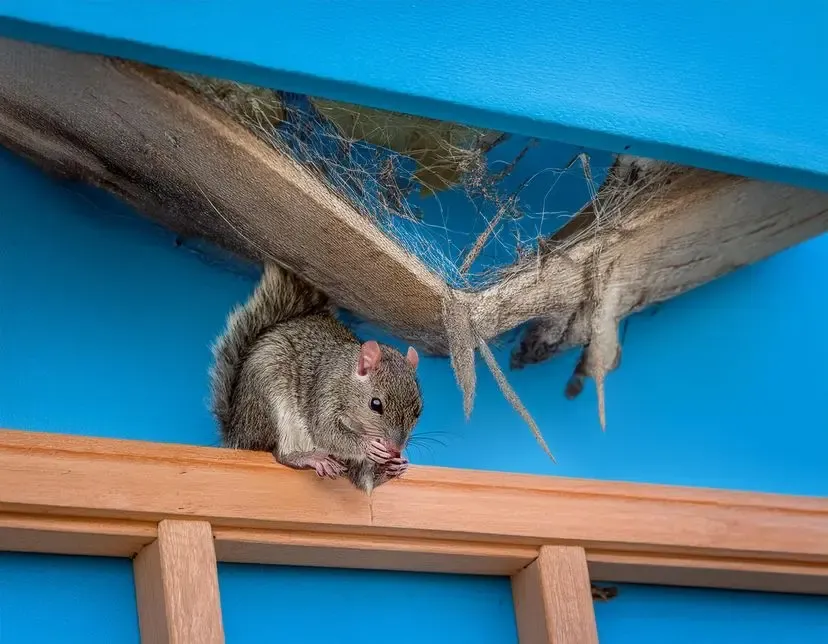
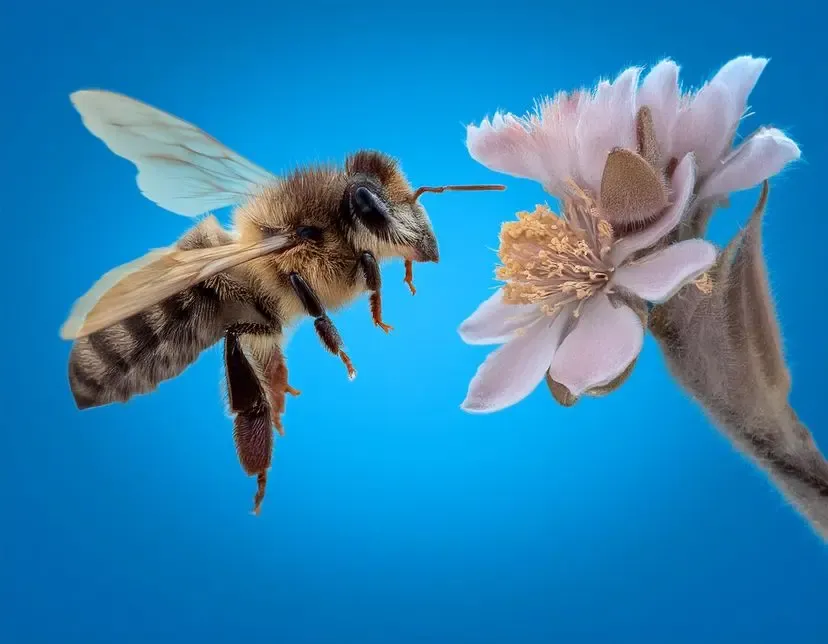
Henley is a quiet rural village perched between two valleys in the heart of Mid Suffolk, with the Fynn Valley to the east and the Gipping Valley communities of Claydon and Barham lying to the west. Its mix of traditional timber-framed properties, agricultural land, and proximity to ancient woodland creates ideal conditions for rats, field mice, and grey squirrels — particularly as autumn drives small mammals indoors seeking warmth. Wasp and hornet nests commonly establish in roof spaces and outbuildings during the warmer months, while mole activity is a persistent challenge across the well-kept gardens and paddocks typical of the area. Blades Pest Solutions provides RSPH-qualified, fully insured pest control to Henley and the surrounding villages, with same-day appointments available and a 24/7 emergency line so no infestation is left to worsen overnight.
Our promise
No small print - just confident, honest pest control
No small print, no empty promises. We agree a clear treatment plan and timeframe with you up front - and because every job is carried out by an RSPH-qualified engineer, we're confident enough in the result that return visits are rare.
Identification
How to identify cockroaches
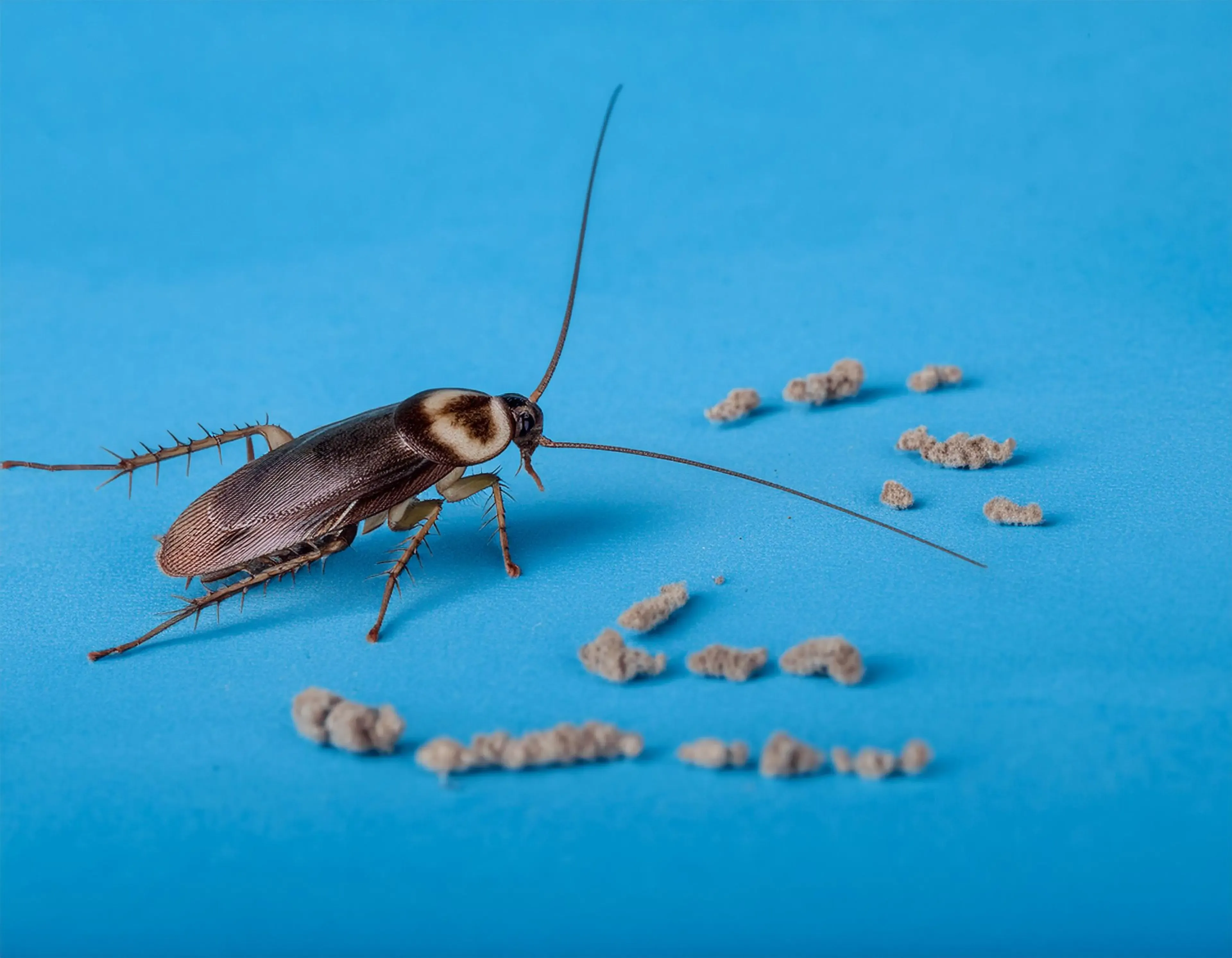
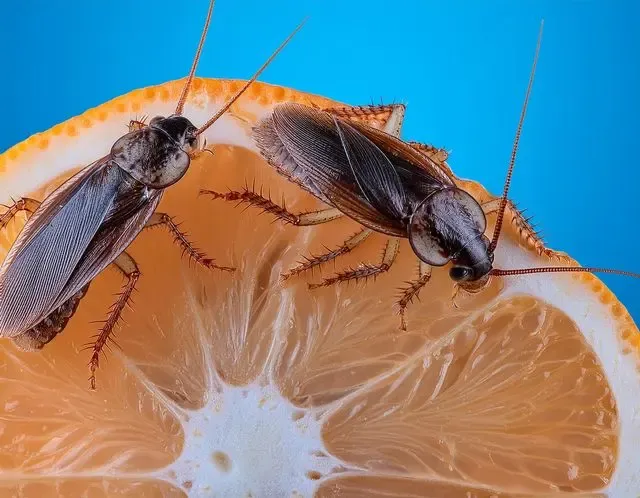
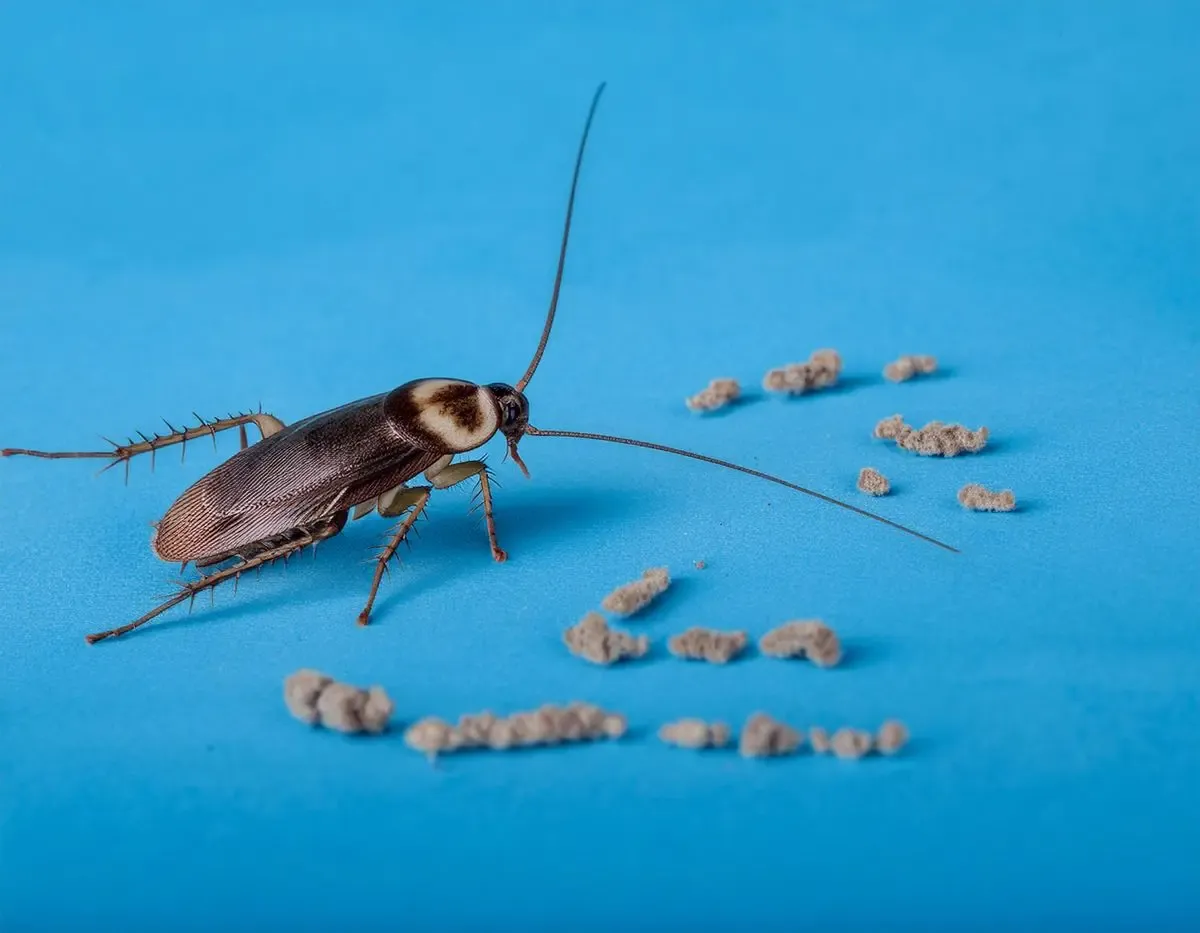
Cockroaches are one of the most persistent pests in the UK, and they pose significant health risks. The most common species found in homes and businesses in the UK include: German Cockroach: Typically light brown with two dark stripes running lengthwise on their backs. They are small, about 1.5 cm long, and are often found in warm, humid environments such as kitchens and bathrooms. Oriental Cockroach: These are larger, about 2.5 cm long, and dark brown or black. They prefer cooler, damp environments like basements, drains, and under sinks. American Cockroach: Though less common in the UK, this species is the largest, reaching up to 5 cm in length. They are reddish-brown and often found in commercial establishments, particularly in food processing areas. Identifying an infestation early is crucial. Look for droppings, which resemble black pepper, egg cases, musty odors, and sightings of live insects, particularly at night.
Warning signs
Signs of cockroaches in Henley homes
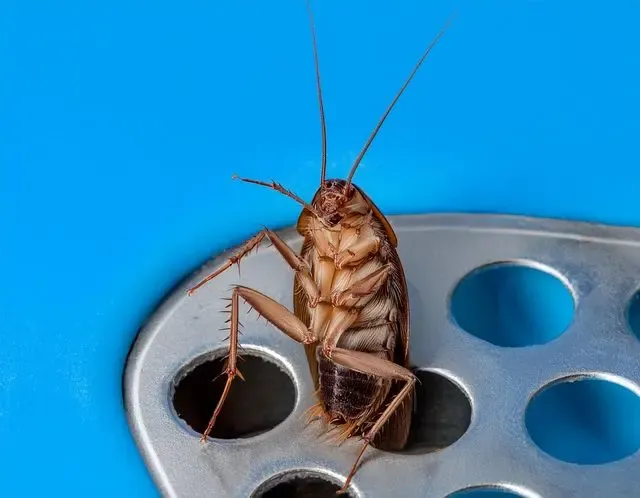
Because cockroaches are nocturnal and shelter in dark, warm, humid harbourages, signs are often detected before live insects are seen. Key indicators include: Droppings — German cockroaches leave small dark specks resembling ground black pepper or coffee grounds, often smeared along skirting boards, inside cupboards and around appliances; larger Oriental and American species leave cylindrical, ridged droppings up to a few millimetres long. Smear marks — irregular dark brown smears or streaks in areas of high moisture and heavy traffic. Egg cases (oothecae) — distinctive purse-shaped brown capsules, often found tucked in cracks, behind units or glued near food sources; German cockroach females carry these until just before hatching. Cast skins and shed cuticles — pale moulted exoskeletons left as nymphs grow. Odour — a distinctive musty, oily, unpleasant smell that strengthens with infestation size. Live sightings during the day — cockroaches seen in daylight usually indicate a heavy, established infestation, as overcrowding forces them out of harbourage. Damage — gnawing or marks on food packaging and occasionally soft materials. Typical hotspots to inspect are behind and beneath fridges, freezers, cookers and dishwashers, in motor housings of warm appliances, around hot pipes and boilers, inside kitchen cupboards, behind kickboards, in cracks and crevices, around drains, sinks, basements and cellars, and in wall voids near heat sources. Sticky monitoring traps placed overnight help confirm presence, species and activity levels.
Why it matters
Health & property risks
Cockroaches are recognised mechanical vectors of disease and present a genuine public-health concern, especially in kitchens, food premises and homes with young or vulnerable occupants. They forage across drains, refuse, sewers and food surfaces, picking up and depositing pathogens via their bodies, legs, droppings, regurgitation (vomit drops) and cast skins. Documented risks include food-poisoning organisms such as Salmonella, E. coli, Shigella (dysentery), Campylobacter and Staphylococcus, as well as gastroenteritis and, in some cases, organisms linked to typhoid, cholera and listeriosis. Contamination of food and food-contact surfaces is the principal route of human infection. Cockroaches are also a significant trigger for allergy and asthma: their droppings, shed cuticles and saliva contain potent allergens that become airborne in dust and can provoke wheezing, rhinitis and asthma attacks, with children, the elderly and immunocompromised individuals most affected. Heavy infestations produce a characteristic unpleasant, musty, oily odour that taints food and the environment, and there is a risk of pathogens such as Aspergillus and other moulds being spread. While cockroaches do not typically bite humans, very severe infestations have been associated with occasional nibbling of skin, eyelashes or fingernails of sleeping people. The combination of disease transmission, allergen load and reputational/regulatory impact on businesses makes prompt professional control important.
Got cockroaches in Henley? Let's sort it today.
Speak to a local, RSPH-qualified engineer now. Same-day cockroach appointments and 24/7 emergency cover across Henley.
Free quote · Same-day cockroach treatment in Henley · 24/7

Our treatment
How we treat cockroaches in Henley
At Blades Pest Solutions, we provide a range of treatment options tailored to the specifics of your cockroach infestation. Depending on the situation, one or more of the following methods may be recommended: Baiting Systems: Our bait stations contain insecticide-laced bait that cockroaches consume and carry back to their nests. This method is highly effective for targeting and eliminating entire colonies over time, making it a reliable option for long-term control. Insecticidal Sprays: For immediate relief, insecticidal sprays can be applied directly to areas where cockroaches are most active. These sprays kill cockroaches on contact and are particularly useful for reducing the visible population quickly. Dusting Powders: We use insecticidal dusts, such as diatomaceous earth or boric acid, in areas where cockroaches are likely to travel. These powders stick to the cockroaches' bodies, eventually leading to dehydration and death. Dusting is an effective option for reaching cockroaches in hard-to-access areas like wall voids and beneath appliances. Heat Treatment: In certain cases, heat treatment may be recommended. This involves raising the temperature in infested areas to levels that are lethal to cockroaches. Heat treatment is particularly effective in environments where chemical treatments are not suitable, such as in food processing facilities or sensitive locations. Ongoing Monitoring: After the initial treatment, we offer ongoing monitoring services to ensure the infestation has been fully resolved. This might include the use of traps and regular inspections to confirm that no cockroaches remain. Ongoing monitoring is a valuable option for maintaining a cockroach-free environment over the long term. Our team at Blades Pest Solutions will carefully assess your situation and recommend the most effective combination of treatments to achieve lasting results.
Our expert advice
Blades Pest Solutions recommends taking the following steps to manage and prevent cockroach infestations: Swift Action: If you suspect an infestation, act immediately. Cockroaches reproduce quickly, and a small problem can escalate rapidly. Maintain Hygiene: Regularly clean areas where food is prepared or stored. Pay special attention to crumbs, spills, and grease build-up in kitchens. Regularly empty bins and keep them covered. Reduce Moisture: Cockroaches are attracted to moisture. Fix leaking taps, pipes, and other sources of water. Ensure that areas like basements and bathrooms are well-ventilated. Seal Entry Points: Cockroaches can enter through the smallest cracks and crevices. Inspect your property for potential entry points and seal them with caulk or other appropriate materials.
Keep them away
How to prevent cockroaches in Henley
To prevent a cockroach infestation, maintain a clean environment and promptly fix any leaks or moisture issues in your property.
Did you know
Cockroach facts
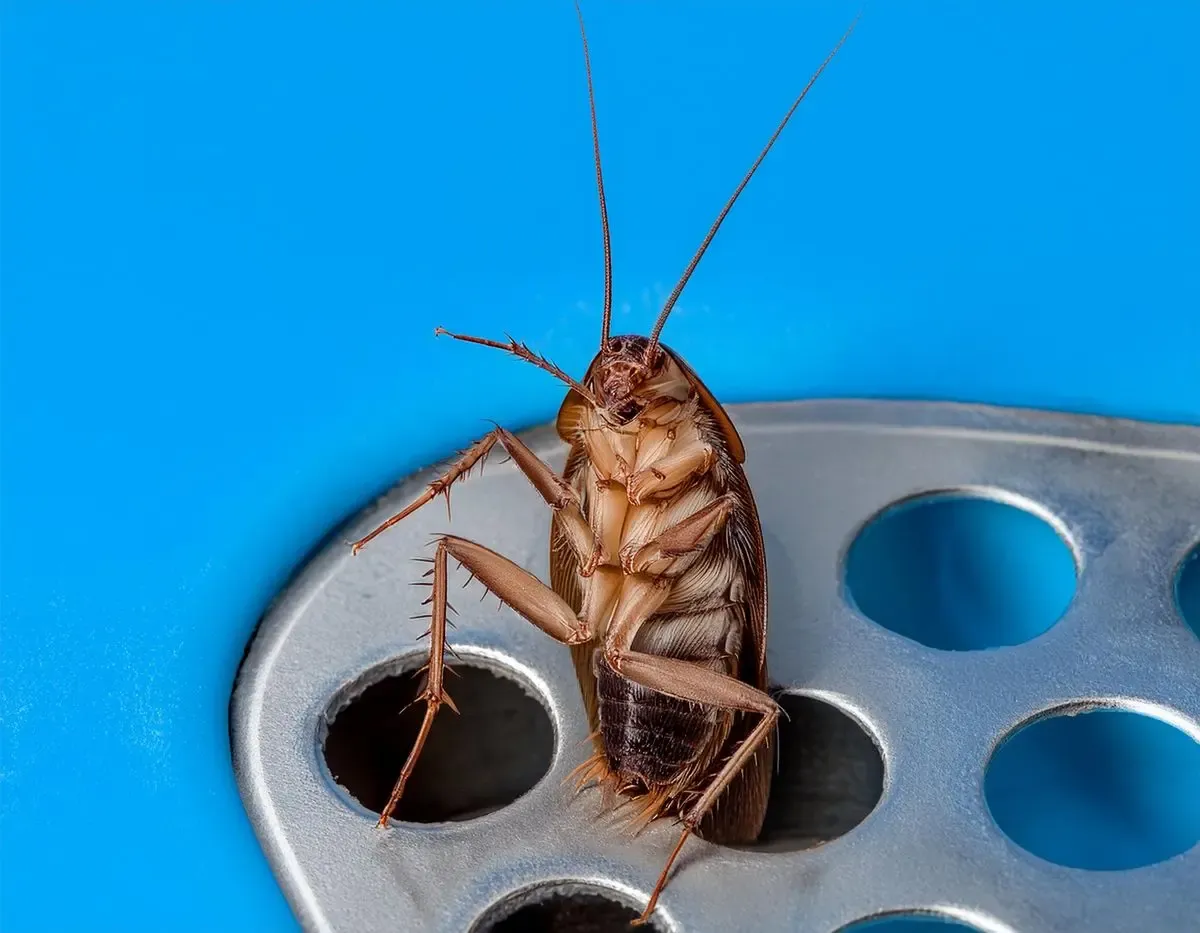
Long-Standing Pests: Cockroaches have existed for over 300 million years, making them one of the most resilient pests to eliminate without professional intervention. Health Risks: Cockroaches can spread diseases such as salmonella, dysentery, and gastroenteritis. They can also trigger asthma and allergies, particularly in children. Rapid Reproduction: A single female German cockroach can produce up to 40 eggs at a time, with her offspring reaching adulthood in just 6-8 weeks. Nocturnal Creatures: Cockroaches are most active at night, scavenging for food and water. Seeing one during the day often indicates a severe infestation.
UK seasonality
When are cockroaches most active?
In the UK cockroaches are classed as a year-round pest because they live almost exclusively indoors in heated, sheltered environments such as kitchens, commercial premises, blocks of flats, hospitals and food-handling sites, where temperature and humidity remain favourable regardless of the external weather. This sets them apart from seasonal pests like wasps. That said, activity and call-outs follow a loose pattern. January to March: Activity continues indoors wherever central heating and warmth persist; cold, damp weather can push Oriental cockroaches indoors and into drains, basements and ground-floor voids seeking warmth. April to June: As ambient temperatures rise, breeding accelerates; populations begin to build, and infestations that were low-level over winter become more noticeable. July to August: Peak activity period — warmth and humidity speed up reproduction and development, German cockroach numbers can escalate rapidly, and Oriental cockroaches may be seen around drains, gullies and yards outdoors during warm spells. September to October: Numbers often remain high from the summer build-up, and as outdoor temperatures fall, Oriental and outdoor-foraging cockroaches move back indoors, sometimes prompting fresh reports. November to December: External activity drops, but indoor infestations in heated buildings continue and can intensify, particularly in commercial kitchens running throughout the festive period. Overall, German cockroaches are effectively non-seasonal indoor breeders, while Oriental and American species show somewhat more weather-linked movement between indoor and outdoor habitats.
Coverage
Same-day cockroach call-outs across IP6
We cover Henley and the surrounding Suffolk, including Witnesham, Claydon, Coddenham, Ipswich.
Mid Suffolk District Council offers limited or paid-for pest services, so many Henley residents and landlords call a private, RSPH-qualified contractor for a faster response.
From the streets around St Peter's Church (13th-century, with eight bells, the two oldest dated 1480) to the outer lanes, our engineers know Henley well.
- IP6
More local services
Other pests we treat in Henley
Same-day, RSPH-qualified treatment for the pests most common in Henley.




Nearby towns
Cockroach control near Henley
Local engineers covering towns right across Suffolk.
Questions
Cockroach control in Henley: FAQs
- How quickly can you reach Henley for a cockroach problem?
- Our local engineers cover Henley (IP6) with same-day appointments and 24/7 emergency response for urgent cockroach infestations.
- What are the signs of a cockroach infestation?
- Because cockroaches are nocturnal and shelter in dark, warm, humid harbourages, signs are often detected before live insects are seen. Key indicators include: Droppings — German cockroaches leave small dark specks resembling ground black pepper or coffee grounds, often smeared along skirting boards, inside cupboards and around appliances; larger Oriental and American species leave cylindrical, ridged droppings up to a few millimetres long.
- Do I need professional cockroach control, or will the council handle it in Henley?
- Mid Suffolk District Council offer limited or paid-for pest services. As a RSPH-qualified contractor, Blades responds faster, treats discreetly and agrees a clear plan with you up front.
- How much does cockroach control cost in Henley?
- A cockroach treatment quote is tailored to the situation rather than fixed, and several factors drive the price. Severity and stage of infestation — an early, localised problem costs less than a heavy, widespread or long-established colony requiring multiple visits.
- Are your cockroach treatments safe for pets and children?
- Yes. We use RSPH best-practice methods and target treatments responsibly so your family, pets and Henley property stay safe.
- When are cockroaches most active?
- In the UK cockroaches are classed as a year-round pest because they live almost exclusively indoors in heated, sheltered environments such as kitchens, commercial premises, blocks of flats, hospitals and food-handling sites, where temperature and humidity remain favourable regardless of the external weather. This sets them apart from seasonal pests like wasps.
Got cockroaches in Henley? We'll sort it - fast.
Speak to a local, RSPH-qualified engineer now. 24/7 emergency cover and same-day cockroach response across Henley and Suffolk.
24/7 emergency · Same-day response · RSPH-qualified