
Local pest control
Squirrel Control in Trimley St Mary
Trimley St Mary sits on the low-lying Felixstowe peninsula, tucked between the vast container operations of the Port of Felixstowe and the quieter reaches of the River Orwell estuary, with the sister village of Trimley St Martin sharing its boundary to the north.
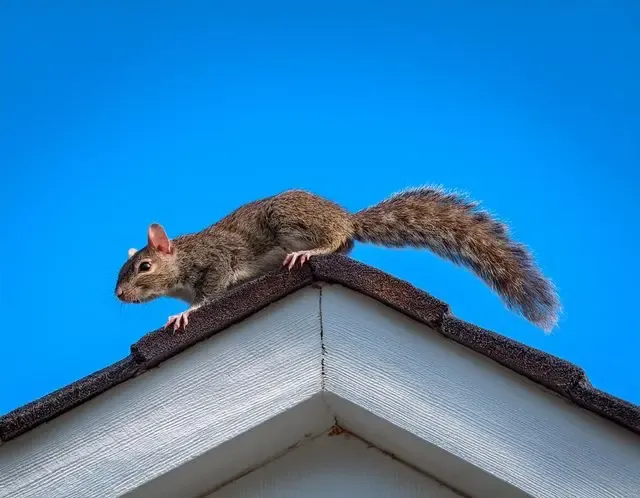
Squirrel control in Trimley St Mary
Fast, local squirrel control across Trimley St Mary
The tree-lined lanes, mature gardens and proximity to Trimley Marshes and estuary woodland give grey squirrels easy access into loft spaces of detached and period homes, where they gnaw and nest.
Trimley St Mary sits on the low-lying Felixstowe peninsula, tucked between the vast container operations of the Port of Felixstowe and the quieter reaches of the River Orwell estuary, with the sister village of Trimley St Martin sharing its boundary to the north. The proximity to one of Europe's busiest ports, coupled with older mixed housing stock and surrounding arable farmland, creates persistent pressure from rats and mice — attracted by stored grain, warehouse margins, and the network of drainage ditches that thread through this corner of Suffolk. Waterfront hedgerows and mature garden trees also make the area a favoured site for wasps and hornets to establish nests each spring and summer. Blades Pest Solutions deploys RSPH-qualified, fully insured engineers to Trimley St Mary for same-day appointments and 24/7 emergency call-outs, ensuring that households and businesses along this busy coastal corridor receive a prompt, professional response whenever a pest problem arises.
Our promise
No small print - just confident, honest pest control
No small print, no empty promises. We agree a clear treatment plan and timeframe with you up front - and because every job is carried out by an RSPH-qualified engineer, we're confident enough in the result that return visits are rare.
Identification
How to identify squirrels
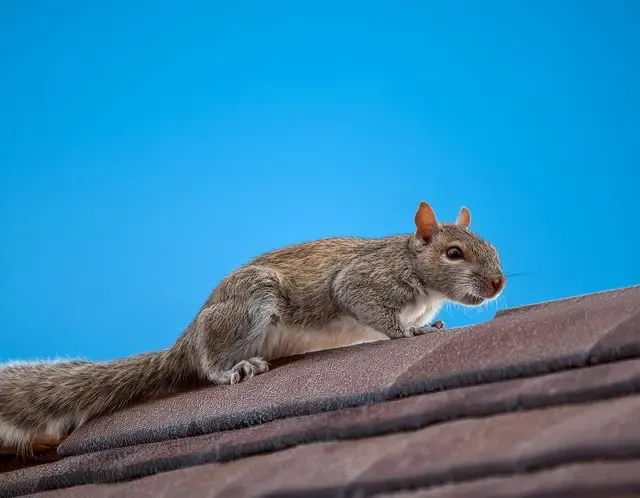
Squirrels are common but can be troublesome if they enter your home or business. Here's how to identify them: Squirrels are small to medium-sized rodents with bushy tails and strong hind legs. They vary in colour from grey to reddish-brown. You'll often spot them in trees, scurrying along power lines, or foraging on the ground. Indoors, you'll hear scratching noises in attics or walls.
Warning signs
Signs of squirrels in Trimley St Mary homes
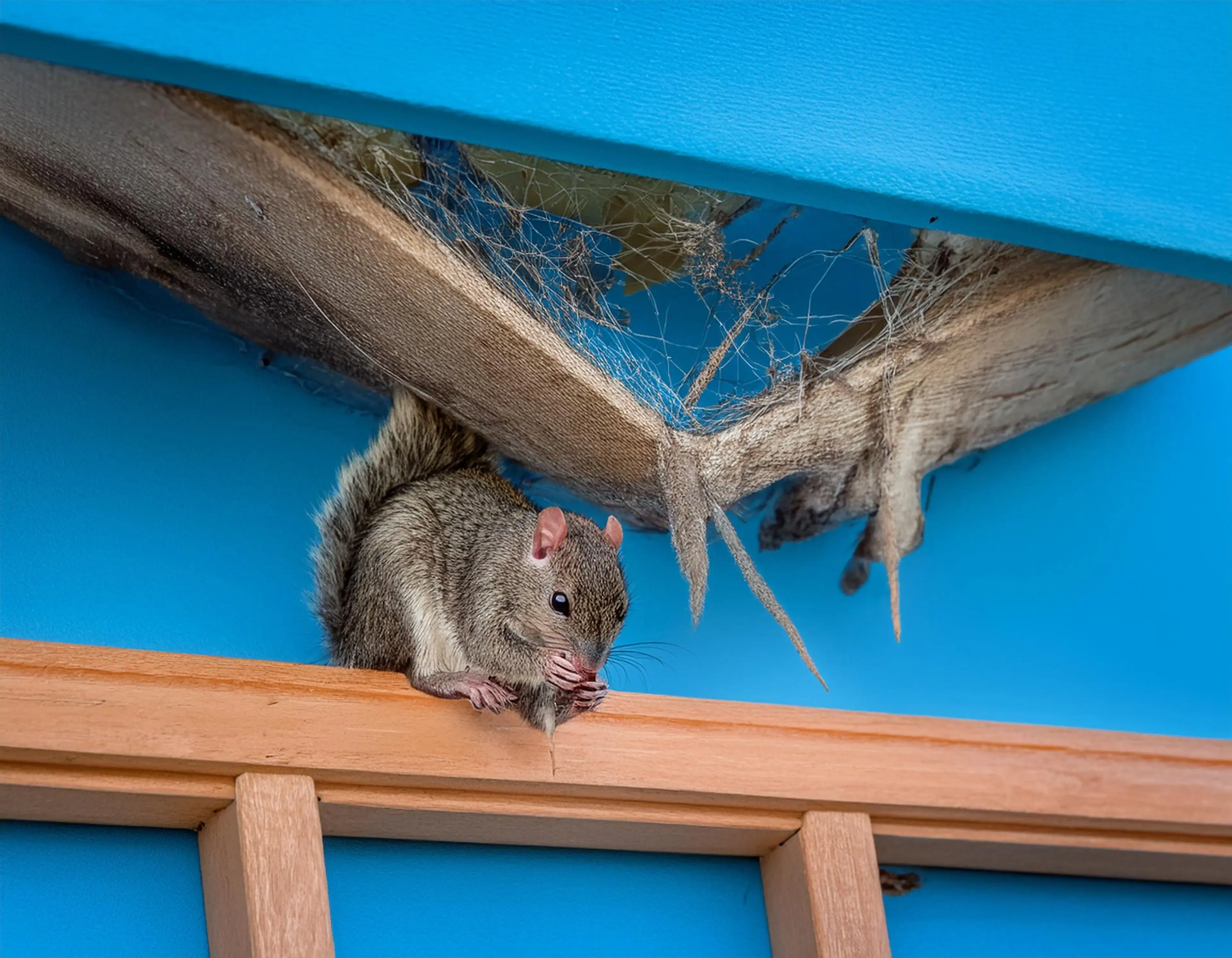
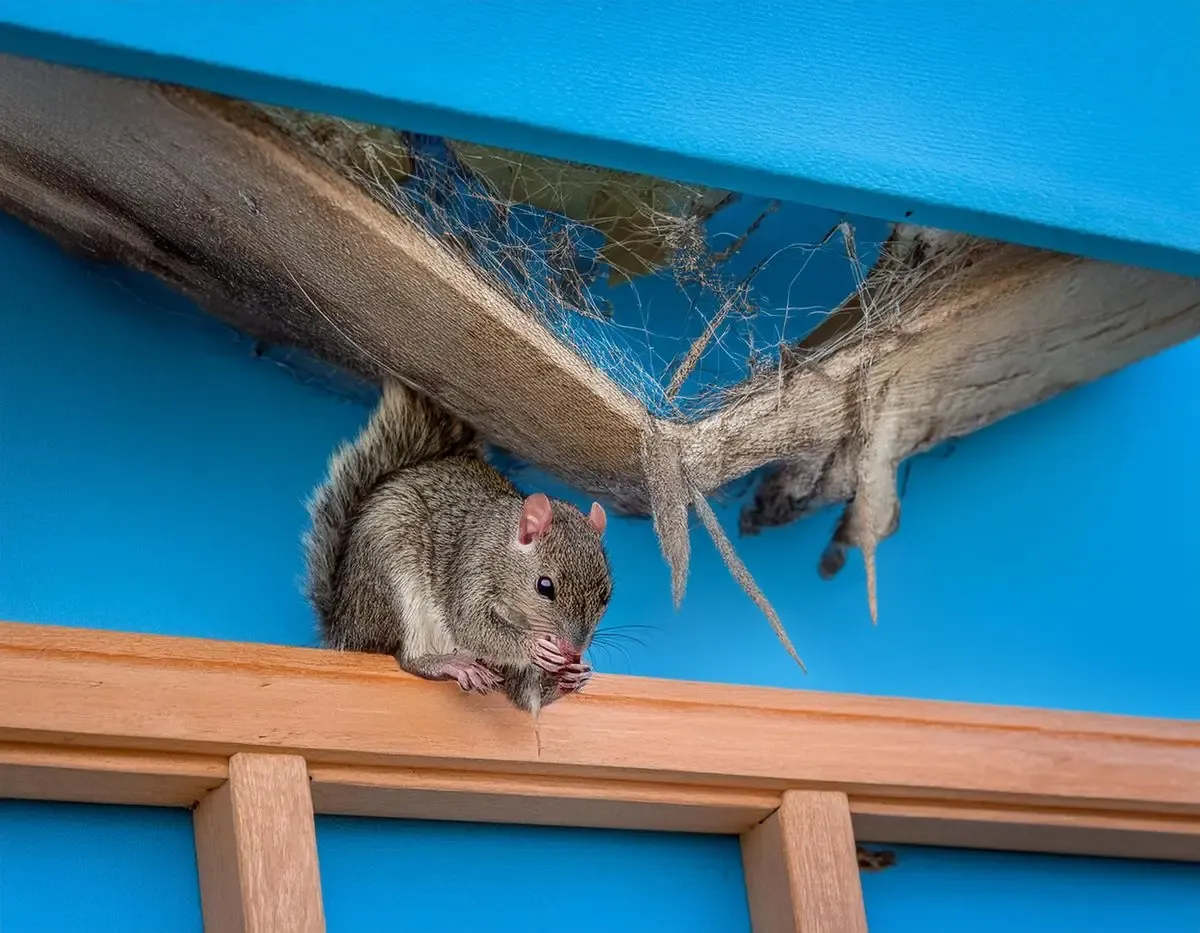
Scratching, scrabbling and rolling or thudding noises in the loft or wall cavities, typically loudest at first light and again in the late afternoon when squirrels are most active (this daytime pattern helps distinguish them from rats and mice, which are mainly nocturnal). Larger droppings than rodents, roughly cylindrical and often found clustered in the loft. Gnaw marks and fresh wood shavings around fascia boards, soffits, eaves, roof timbers and entry points, plus stripped or chewed electrical cabling and pipework. Entry holes around 4-6cm across at the roofline, gaps under tiles, damaged soffit boxes or torn felt. A drey (nest of leaves, twigs, shredded loft insulation, cardboard and fabric) built in the loft, often tucked against a gable end. Disturbed, flattened or displaced insulation and tracks worn through dust. Outside: squirrels seen running along fences, cables and the ridgeline, dreys in nearby trees, dug-up bulbs and lawns, raided or damaged bird feeders, and stripped bark on tree branches close to the roof.
Why it matters
Health & property risks
Squirrels rarely transmit disease directly to people but they carry genuine secondary risks. The most serious is fire: grey squirrels gnaw constantly to wear down their incisors and readily strip insulation from electrical cabling in lofts, which is a recognised cause of house fires. They also chew water pipes, structural timbers, plasterboard and stored items, leading to leaks and costly damage. Droppings and urine in the loft contaminate insulation and stored belongings and can produce unpleasant odours, and an animal that becomes trapped and dies in a cavity creates a strong smell and attracts flies. Squirrels can host fleas, ticks, mites and other ectoparasites that may be left behind in the nest. They are not domesticated and will bite and scratch defensively if cornered or handled — bites can cause infection and any bite should receive medical attention. Leptospirosis and other rodent-associated zoonoses are a far lower risk than with rats, but basic hygiene (gloves, hand-washing, dust mask when clearing contaminated insulation) is still sensible. Grey squirrels also carry squirrelpox virus, which is largely harmless to them but lethal to native red squirrels rather than to humans.
Got squirrels in Trimley St Mary? Let's sort it today.
Speak to a local, RSPH-qualified engineer now. Same-day squirrel appointments and 24/7 emergency cover across Trimley St Mary.
Free quote · Same-day squirrel treatment in Trimley St Mary · 24/7
Our treatment
How we treat squirrels in Trimley St Mary
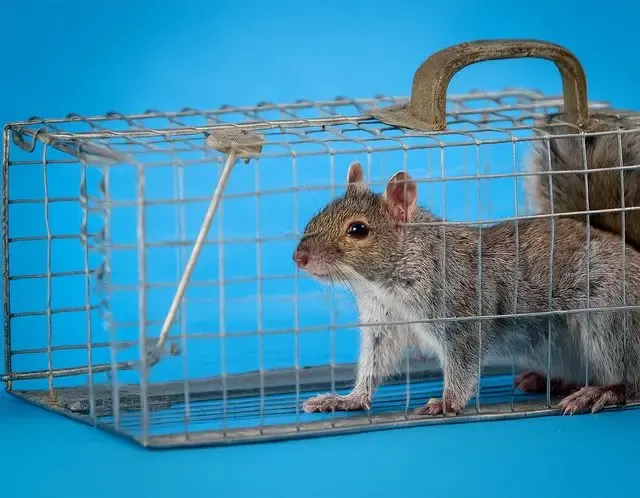
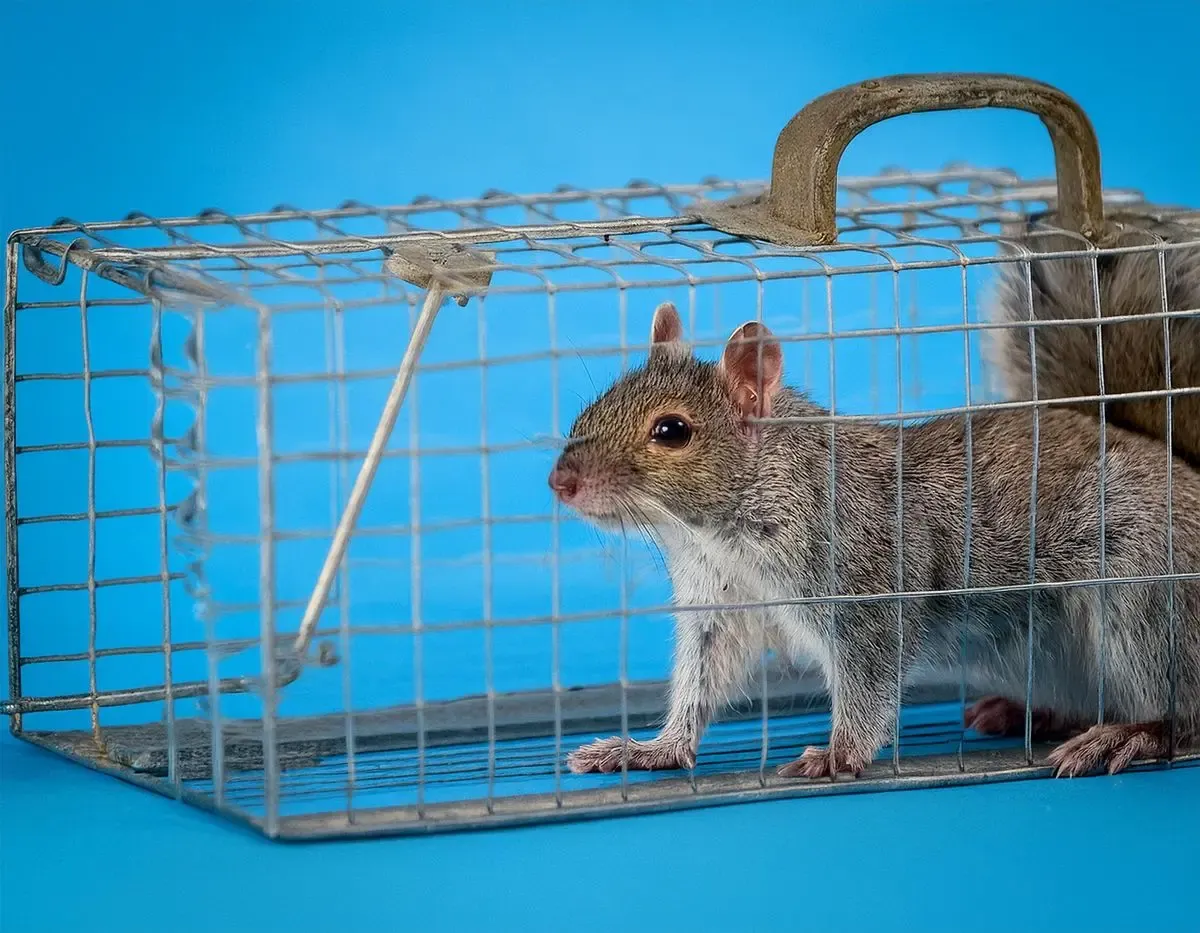
Treatment Approach: Blades Pest Solutions provides comprehensive methods for dealing with squirrel infestations while ensuring humane and safe practices. Treatment Options: Exclusion: We seal entry points to prevent squirrels from entering your home or business. Trapping and Relocation: Our humane traps ensure the safe removal and relocation of squirrels. Damage Repair: We repair any structural damage caused by squirrels to prevent future infestations. Preventative Measures: We offer advice on maintaining a squirrel-free environment, such as trimming tree branches away from your roof and securing garbage bins.
Our expert advice
Effective squirrel management requires a combination of deterrence and humane removal. Here are our expert recommendations: Inspection Tips: Regularly check your attic, roof, and exterior for signs of entry points such as holes or chewed wood. If you notice these signs or hear noises, it's crucial to act promptly. Handling Squirrel Infestations: Stay calm and avoid direct contact. Squirrels can become aggressive if they feel threatened. Contact professional pest controllers to assess the situation and recommend appropriate measures.
Keep them away
How to prevent squirrels in Trimley St Mary
To prevent squirrels from entering your home, regularly inspect and seal any potential entry points. Keep tree branches trimmed away from your roof and use squirrel-proof bird feeders.
Did you know
Squirrel facts
Squirrel Facts: Understanding squirrels can help you manage their presence more effectively. Diet: Squirrels primarily eat nuts, seeds, fruits, and occasionally bird eggs or young birds. Nesting: They build nests, called dreys, in trees or use attics and wall cavities for shelter. Activity: Squirrels are most active during the early morning and late afternoon. Behavior: They can cause significant damage by chewing on electrical wires, insulation, and wooden structures.
UK seasonality
When are squirrels most active?
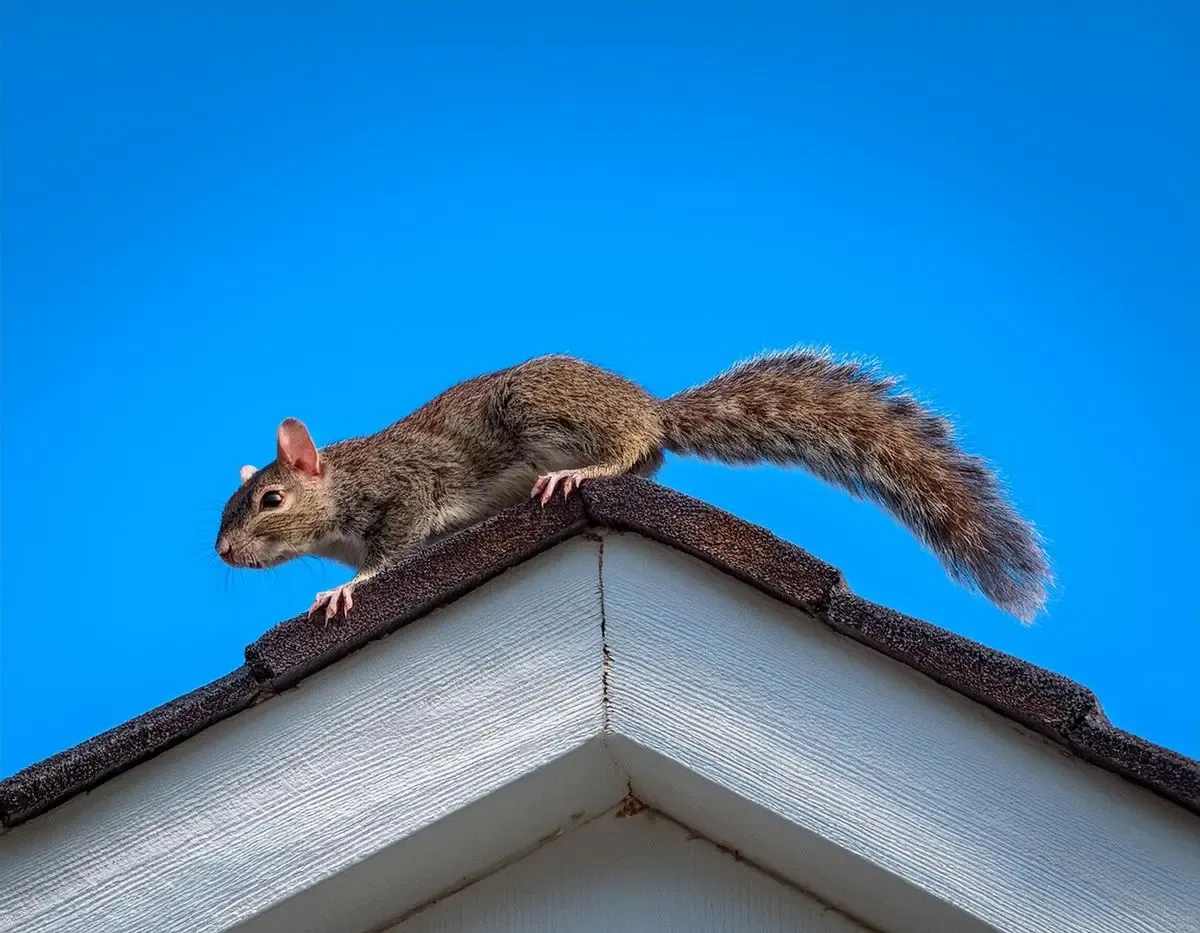
Grey squirrels are active year-round and do not truly hibernate, but loft intrusion follows a clear seasonal pattern. January to February is the first main breeding period, with pregnant or nursing females seeking warm, dry, secure loft space, so winter call-outs about scratching overhead are common and animals are also caching and retrieving food. March sees the first litters born in lofts and dreys, with increased activity as young are reared. April to May the spring young become active and start dispersing, and noise in the roof often increases as juveniles move about. June is generally quieter as the first young leave. July to August is the second breeding season, producing summer litters and a fresh wave of females looking for harbourage; this is also when squirrels can be seen most often during long daylight hours. September to October is the busiest period for problems: autumn young disperse, and intense food caching for winter coincides with cooler nights, driving squirrels to seek warm roof voids — this is typically the peak season for new loft infestations. November to December activity reduces outdoors but animals already established in a loft stay put for warmth, and households often first notice them as the heating goes on and the property is quieter, making winter a common time for reports.
Coverage
Same-day squirrel call-outs across IP11
We cover Trimley St Mary and the surrounding Suffolk, including Trimley St Martin, Felixstowe, Kirton, Bentley Ipswich.
East Suffolk Council offers limited or paid-for pest services, so many Trimley St Mary residents and landlords call a private, RSPH-qualified contractor for a faster response.
From the streets around St Mary's Church to the outer lanes, our engineers know Trimley St Mary well.
- IP11
More local services
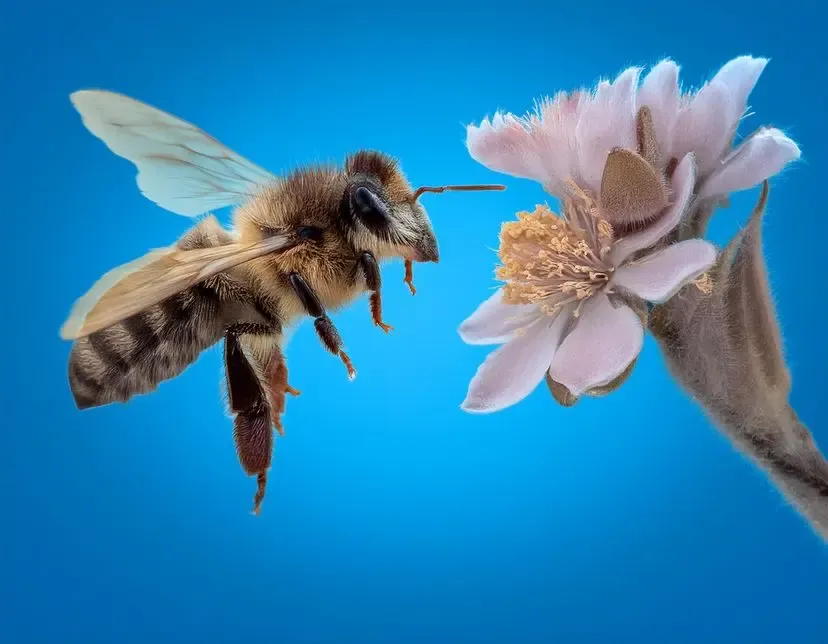
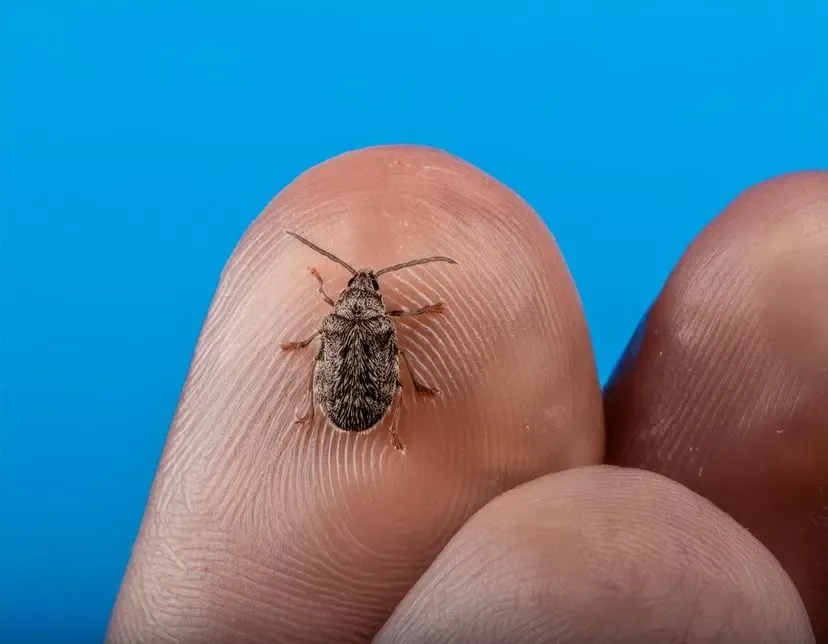
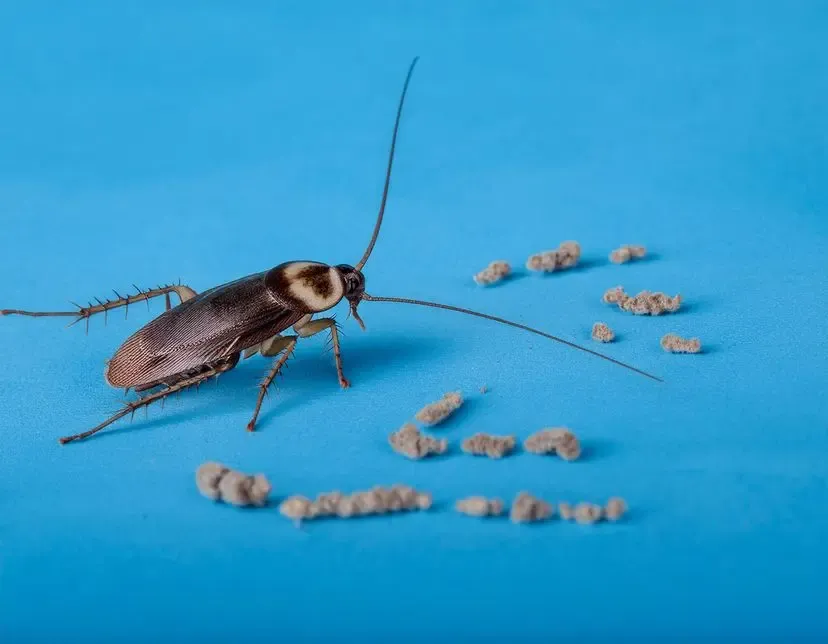
Other pests we treat in Trimley St Mary
Same-day, RSPH-qualified treatment for the pests most common in Trimley St Mary.

Nearby towns
Squirrel control near Trimley St Mary
Local engineers covering towns right across Suffolk.
Questions
Squirrel control in Trimley St Mary: FAQs
- How quickly can you reach Trimley St Mary for a squirrel problem?
- Our local engineers cover Trimley St Mary (IP11) with same-day appointments and 24/7 emergency response for urgent squirrel infestations.
- Why are squirrels common in Trimley St Mary?
- The tree-lined lanes, mature gardens and proximity to Trimley Marshes and estuary woodland give grey squirrels easy access into loft spaces of detached and period homes, where they gnaw and nest.
- What are the signs of a squirrel infestation?
- Scratching, scrabbling and rolling or thudding noises in the loft or wall cavities, typically loudest at first light and again in the late afternoon when squirrels are most active (this daytime pattern helps distinguish them from rats and mice, which are mainly nocturnal). Larger droppings than rodents, roughly cylindrical and often found clustered in the loft.
- Do I need professional squirrel control, or will the council handle it in Trimley St Mary?
- East Suffolk Council offer limited or paid-for pest services. As a RSPH-qualified contractor, Blades responds faster, treats discreetly and agrees a clear plan with you up front.
- How much does squirrel control cost in Trimley St Mary?
- No fixed price can be given without inspection; a quote reflects the scale and access of the job. Key drivers include: the size and accessibility of the loft or roof void and whether safe working access (ladders, scaffold, boarding) is needed; the number of animals and the extent of activity, which determines how many trapping visits are required (humane control normally needs several return visits over one to two weeks to monitor and service traps, and call-out frequency directly affects labour cost).
- Are your squirrel treatments safe for pets and children?
- Yes. We use RSPH best-practice methods and target treatments responsibly so your family, pets and Trimley St Mary property stay safe.
- When are squirrels most active?
- Grey squirrels are active year-round and do not truly hibernate, but loft intrusion follows a clear seasonal pattern. January to February is the first main breeding period, with pregnant or nursing females seeking warm, dry, secure loft space, so winter call-outs about scratching overhead are common and animals are also caching and retrieving food.
Got squirrels in Trimley St Mary? We'll sort it - fast.
Speak to a local, RSPH-qualified engineer now. 24/7 emergency cover and same-day squirrel response across Trimley St Mary and Suffolk.
24/7 emergency · Same-day response · RSPH-qualified