
Pest control & removal
SquirrelControl & Removal
Fast, RSPH-qualified, fully insured squirrel treatment with same-day appointments and 24/7 emergency call-outs across the UK.
Identification
How to identify squirrels
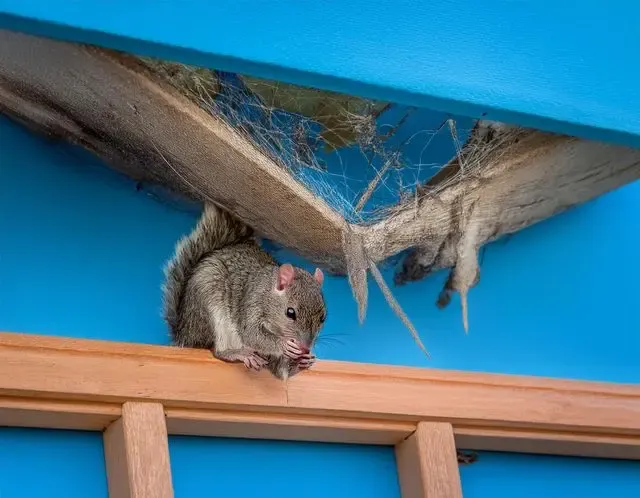
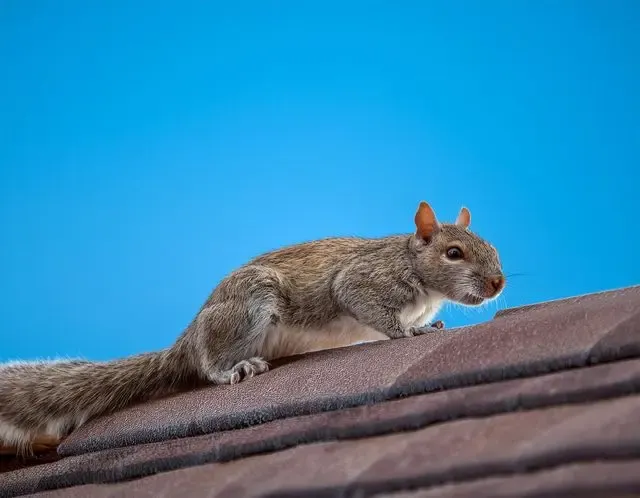
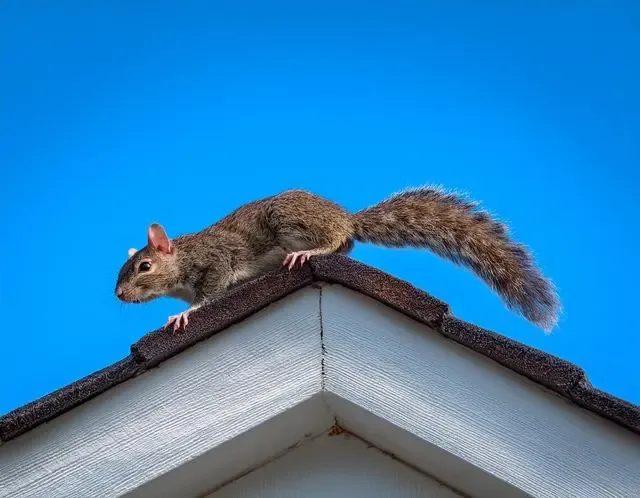
Squirrels are common but can be troublesome if they enter your home or business. Here's how to identify them: Squirrels are small to medium-sized rodents with bushy tails and strong hind legs. They vary in colour from grey to reddish-brown. You'll often spot them in trees, scurrying along power lines, or foraging on the ground. Indoors, you'll hear scratching noises in attics or walls.
Warning signs
Signs of a squirrel infestation
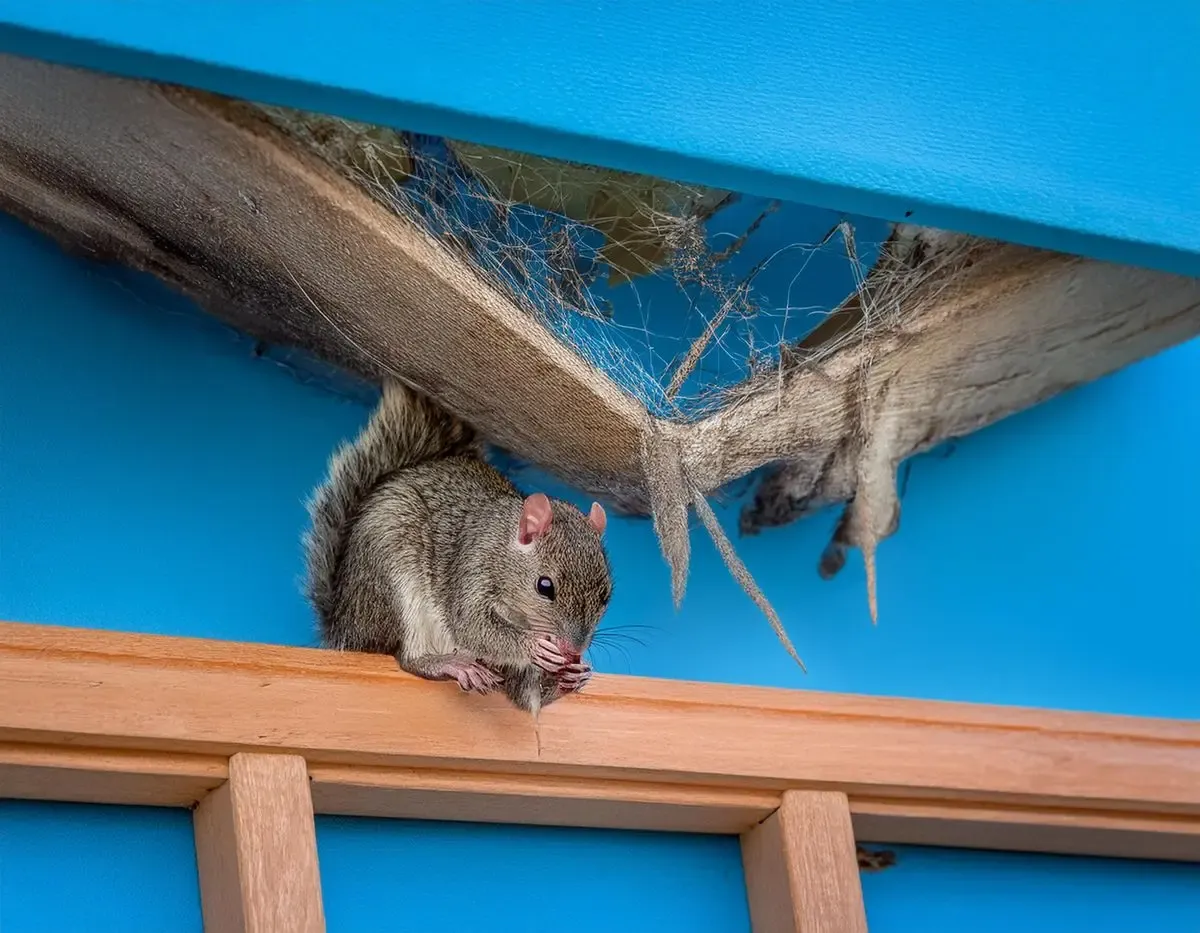
Scratching, scrabbling and rolling or thudding noises in the loft or wall cavities, typically loudest at first light and again in the late afternoon when squirrels are most active (this daytime pattern helps distinguish them from rats and mice, which are mainly nocturnal). Larger droppings than rodents, roughly cylindrical and often found clustered in the loft. Gnaw marks and fresh wood shavings around fascia boards, soffits, eaves, roof timbers and entry points, plus stripped or chewed electrical cabling and pipework. Entry holes around 4-6cm across at the roofline, gaps under tiles, damaged soffit boxes or torn felt. A drey (nest of leaves, twigs, shredded loft insulation, cardboard and fabric) built in the loft, often tucked against a gable end. Disturbed, flattened or displaced insulation and tracks worn through dust. Outside: squirrels seen running along fences, cables and the ridgeline, dreys in nearby trees, dug-up bulbs and lawns, raided or damaged bird feeders, and stripped bark on tree branches close to the roof.
Why it matters
Health & property risks
Squirrels rarely transmit disease directly to people but they carry genuine secondary risks. The most serious is fire: grey squirrels gnaw constantly to wear down their incisors and readily strip insulation from electrical cabling in lofts, which is a recognised cause of house fires. They also chew water pipes, structural timbers, plasterboard and stored items, leading to leaks and costly damage. Droppings and urine in the loft contaminate insulation and stored belongings and can produce unpleasant odours, and an animal that becomes trapped and dies in a cavity creates a strong smell and attracts flies. Squirrels can host fleas, ticks, mites and other ectoparasites that may be left behind in the nest. They are not domesticated and will bite and scratch defensively if cornered or handled — bites can cause infection and any bite should receive medical attention. Leptospirosis and other rodent-associated zoonoses are a far lower risk than with rats, but basic hygiene (gloves, hand-washing, dust mask when clearing contaminated insulation) is still sensible. Grey squirrels also carry squirrelpox virus, which is largely harmless to them but lethal to native red squirrels rather than to humans.
Got squirrels? Let's sort it today.
Speak to a local, RSPH-qualified engineer now. Same-day appointments and 24/7 emergency cover.
Free quote · Same-day squirrel treatment · 24/7 emergency
Our treatment
How we treat squirrels
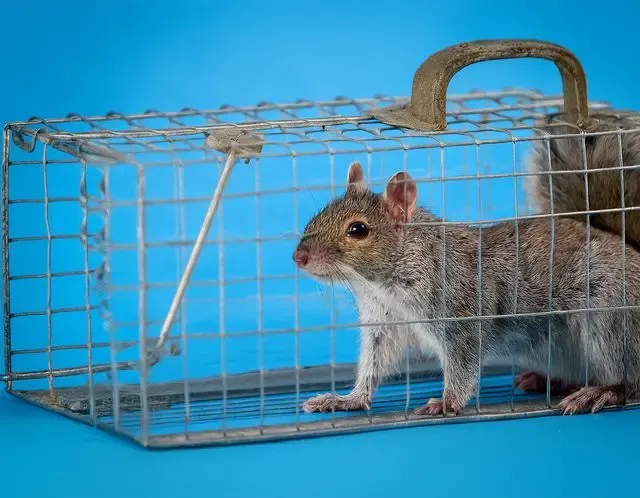
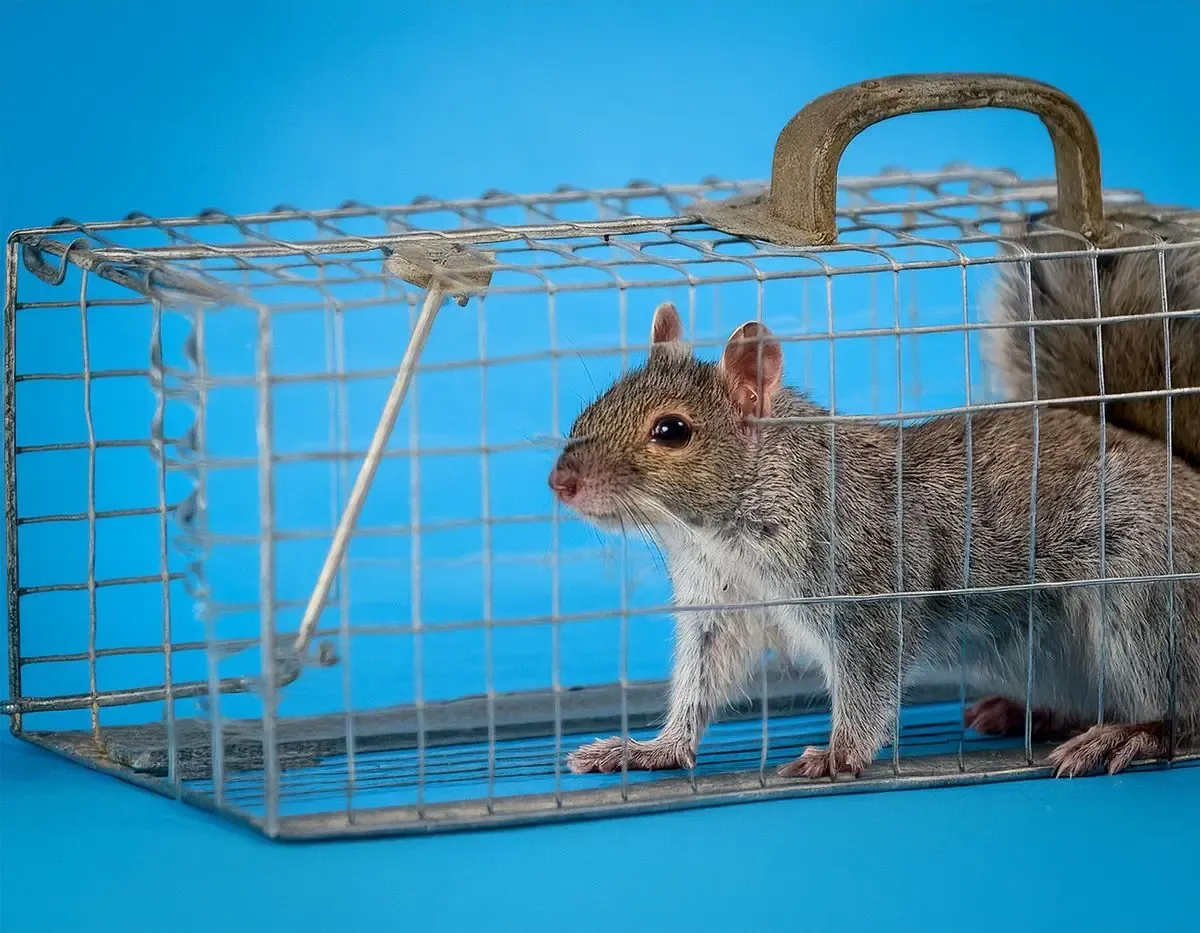
Treatment Approach: Blades Pest Solutions provides comprehensive methods for dealing with squirrel infestations while ensuring humane and safe practices. Treatment Options: Exclusion: We seal entry points to prevent squirrels from entering your home or business. Trapping and Relocation: Our humane traps ensure the safe removal and relocation of squirrels. Damage Repair: We repair any structural damage caused by squirrels to prevent future infestations. Preventative Measures: We offer advice on maintaining a squirrel-free environment, such as trimming tree branches away from your roof and securing garbage bins.
Our expert advice
Effective squirrel management requires a combination of deterrence and humane removal. Here are our expert recommendations: Inspection Tips: Regularly check your attic, roof, and exterior for signs of entry points such as holes or chewed wood. If you notice these signs or hear noises, it's crucial to act promptly. Handling Squirrel Infestations: Stay calm and avoid direct contact. Squirrels can become aggressive if they feel threatened. Contact professional pest controllers to assess the situation and recommend appropriate measures.
Keep them away
How to prevent squirrels
To prevent squirrels from entering your home, regularly inspect and seal any potential entry points. Keep tree branches trimmed away from your roof and use squirrel-proof bird feeders.
Did you know
Squirrel facts
Squirrel Facts: Understanding squirrels can help you manage their presence more effectively. Diet: Squirrels primarily eat nuts, seeds, fruits, and occasionally bird eggs or young birds. Nesting: They build nests, called dreys, in trees or use attics and wall cavities for shelter. Activity: Squirrels are most active during the early morning and late afternoon. Behavior: They can cause significant damage by chewing on electrical wires, insulation, and wooden structures.
UK seasonality
When are squirrels most active in the UK?
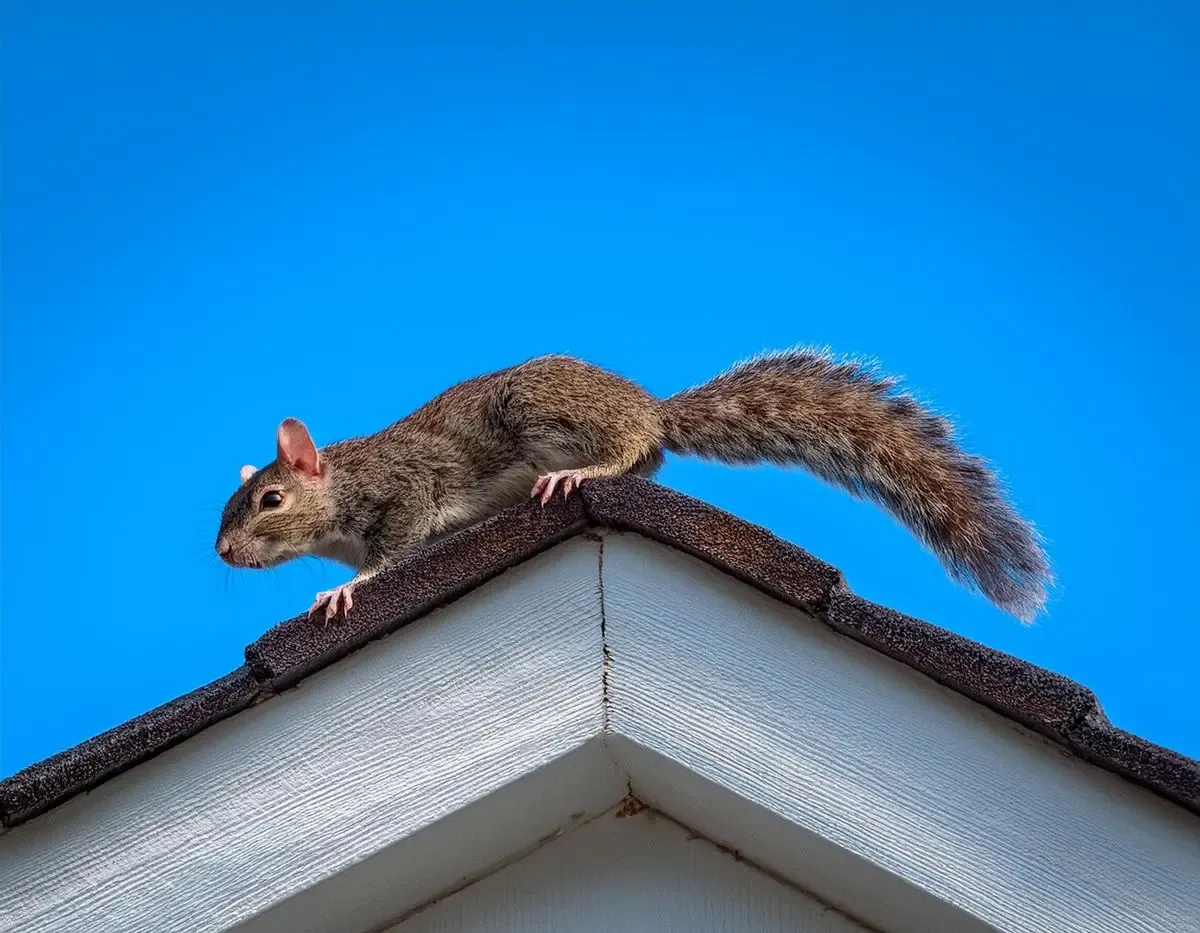
Grey squirrels are active year-round and do not truly hibernate, but loft intrusion follows a clear seasonal pattern. January to February is the first main breeding period, with pregnant or nursing females seeking warm, dry, secure loft space, so winter call-outs about scratching overhead are common and animals are also caching and retrieving food. March sees the first litters born in lofts and dreys, with increased activity as young are reared. April to May the spring young become active and start dispersing, and noise in the roof often increases as juveniles move about. June is generally quieter as the first young leave. July to August is the second breeding season, producing summer litters and a fresh wave of females looking for harbourage; this is also when squirrels can be seen most often during long daylight hours. September to October is the busiest period for problems: autumn young disperse, and intense food caching for winter coincides with cooler nights, driving squirrels to seek warm roof voids — this is typically the peak season for new loft infestations. November to December activity reduces outdoors but animals already established in a loft stay put for warmth, and households often first notice them as the heating goes on and the property is quieter, making winter a common time for reports.
The law
UK law & squirrel control
The legal position depends entirely on the species. The grey squirrel (Sciurus carolinensis) is the species we deal with in almost all UK call-outs and is a non-native invasive species. Under Schedule 9 of the Wildlife and Countryside Act 1981 it is an offence to release a grey squirrel back into the wild or allow one to escape, and the Invasive Alien Species (Enforcement and Permitting) Order 2019 reinforces this. In practice this means a trapped grey squirrel cannot lawfully be relocated and must be humanely dispatched on site — "trap and release" is illegal. Any control must also comply with the Animal Welfare Act 2006 and the Wildlife and Countryside Act 1981 provisions on permitted trap types: spring traps used for squirrels must be of an approved type and used under the conditions of the relevant Spring Traps Approval Order, and live-capture cage traps must be checked at regular intervals (best practice is at least once every 24 hours, and morning and evening) to prevent suffering. The native red squirrel (Sciurus vulgaris) is fully protected under Schedule 5 of the Wildlife and Countryside Act 1981 — it is an offence to kill, injure, capture, or disturb a red squirrel or to damage or obstruct its drey, so if reds are present or suspected (parts of Scotland, Cumbria, Northumberland, Anglesey, Isle of Wight, Brownsea Island and other strongholds) no control proceeds and specialist advice is sought. Poisons are tightly restricted: warfarin was historically the only rodenticide approved for grey squirrel control and only inside specific approved bait hopper conditions, and its approval has been withdrawn, so we do not use rodenticides for squirrels. Glue boards are not used. CRRU rodenticide stewardship relates to rats and mice rather than squirrel work.
Pricing
What affects squirrel control cost?
No fixed price can be given without inspection; a quote reflects the scale and access of the job. Key drivers include: the size and accessibility of the loft or roof void and whether safe working access (ladders, scaffold, boarding) is needed; the number of animals and the extent of activity, which determines how many trapping visits are required (humane control normally needs several return visits over one to two weeks to monitor and service traps, and call-out frequency directly affects labour cost). Proofing and exclusion is usually the largest variable — the number and height of entry points, the type of repair (replacing soffits, fascias, vents, lead flashing, fitting mesh or one-way exclusion devices) and whether access at height requires ladders, towers or scaffolding. The amount of damage repair needed, such as re-running chewed cabling (which may require an electrician), replacing contaminated or shredded insulation, and decontamination of the loft space. Property type and roof complexity (terraced versus detached, simple versus multi-level or tiled-valley roofs). Whether the species must be confirmed (extra caution and survey time in red squirrel areas). Travel and location, the urgency of the response, and whether a guarantee or follow-up monitoring is included. Removing the squirrels without comprehensive proofing rarely lasts, so most quotes bundle survey, control, proofing and damage repair into the overall cost.
Local engineers
Squirrel control near you
We provide local squirrel control across the region, including:
Advice & guides
Squirrel advice & guides
Practical, expert reading on dealing with squirrels - from spotting the signs to safe, lasting treatment.
Pests
How to Get Rid of Squirrels in Your Loft
Heard scratching in the loft? Learn how to spot a squirrel problem, why their gnawing is a genuine fire risk, and the lawful, humane way to get them out and keep them out for good.
Read guideIdentification
Noises in the Loft: Is It Rats, Mice, Squirrels or Birds?
Scratching or scurrying overhead? The sound, the time of day and the signs will tell you whether you have squirrels, rats, mice or birds - and what to do about it.
Read guide
FAQs
Squirrel control FAQs
- How do I get rid of squirrels fast?
- The fastest, most reliable route is a professional treatment. Blades Pest Solutions uses RSPH-qualified methods to eliminate squirrels at source, with same-day and 24/7 emergency appointments. Call 0800 037 7358.
- What are the signs of a squirrel infestation?
- Scratching, scrabbling and rolling or thudding noises in the loft or wall cavities, typically loudest at first light and again in the late afternoon when squirrels are most active (this daytime pattern helps distinguish them from rats and mice, which are mainly nocturnal). Larger droppings than rodents, roughly cylindrical and often found clustered in the loft.
- Are squirrels dangerous to health?
- Squirrels rarely transmit disease directly to people but they carry genuine secondary risks. The most serious is fire: grey squirrels gnaw constantly to wear down their incisors and readily strip insulation from electrical cabling in lofts, which is a recognised cause of house fires.
- How much does squirrel control cost?
- No fixed price can be given without inspection; a quote reflects the scale and access of the job. Key drivers include: the size and accessibility of the loft or roof void and whether safe working access (ladders, scaffold, boarding) is needed; the number of animals and the extent of activity, which determines how many trapping visits are required (humane control normally needs several return visits over one to two weeks to monitor and service traps, and call-out frequency directly affects labour cost).
- Are your squirrel treatments safe for children and pets?
- Yes. As a RSPH-qualified contractor we follow industry best practice and apply targeted treatments responsibly, so your family and pets stay safe.
- How quickly can you treat a squirrel problem?
- We offer same-day appointments and 24/7 emergency response for urgent squirrel infestations across our coverage area. Fully licensed & insured.
Got squirrels? We'll sort it - fast.
Speak to a local, RSPH-qualified engineer now. 24/7 emergency cover and same-day response.
Free quote · Same-day · 24/7 emergency