
4 min read · Blades Pest Solutions
No - bed bug bites are not dangerous in the way many people fear. The NHS confirms bed bugs are not known to spread disease to humans. The real problems are itchy, irritating bites, the risk of a secondary skin infection from scratching, and the sleep loss, anxiety and stress that a live infestation causes. Take it seriously, but don't panic.
The main health risks
The genuine risks from bed bugs are physical irritation and distress rather than infection. The NHS and UK Health Security Agency advise that bed bugs are not known to transmit disease, so the issues to watch for are:
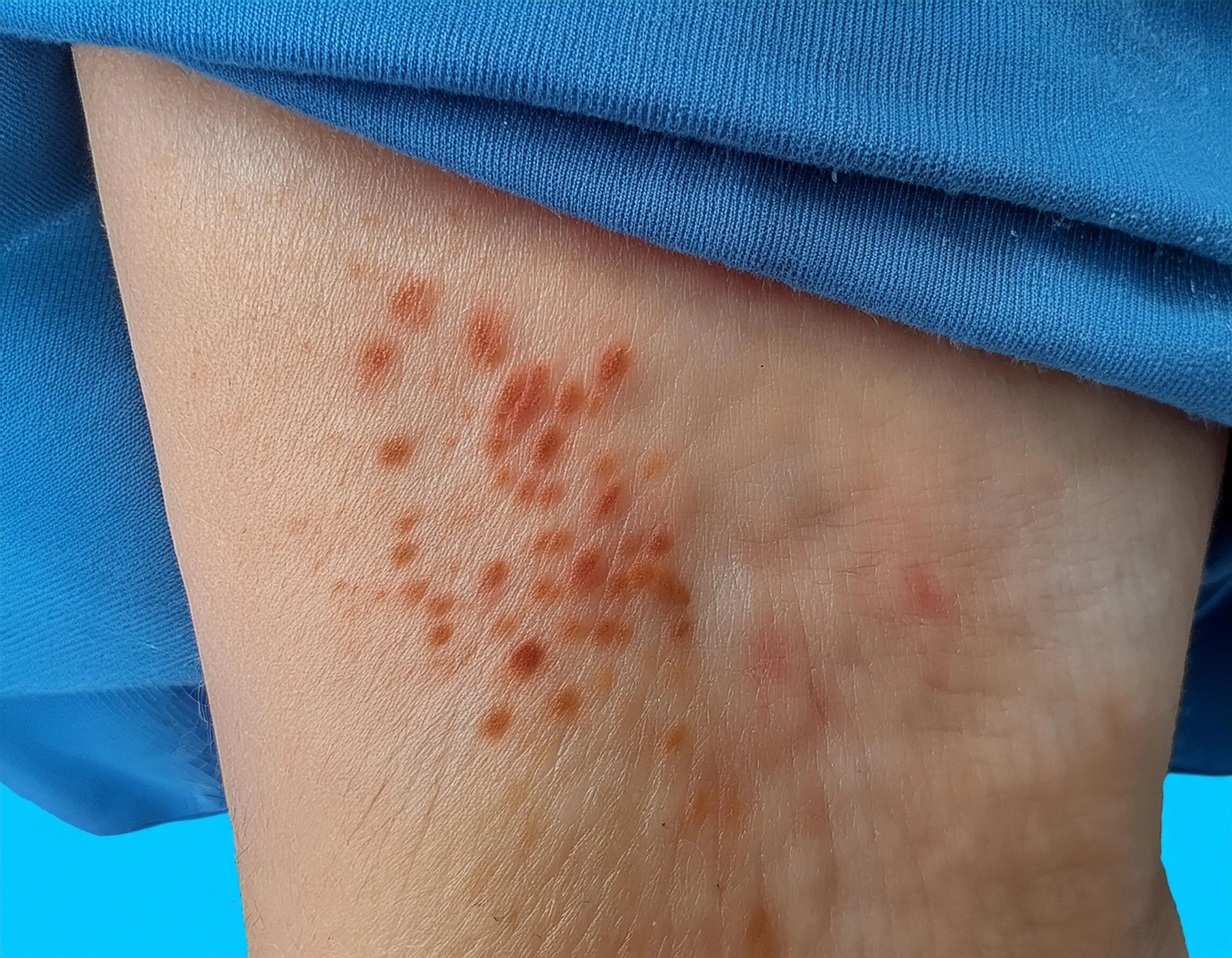
- Itchy bites and skin reactions. Bites can cause raised, red, very itchy welts, often in a line or cluster. Some people develop more pronounced rashes, welts or eczema-like reactions, while others react little or not at all.
- Secondary skin infection. Persistent scratching can break the skin and let bacteria in, leading to a secondary infection that may need treatment.
- Allergic reactions. Severe allergic reactions are possible but rare.
- Asthma triggers. Allergens from bed bug droppings and shed skins can aggravate asthma in sensitive individuals.
- Sleep and mental health. Infestations commonly cause significant sleep loss, anxiety and a sense of stigma - a real and often underestimated impact.
Reassuringly, bed bugs do not damage the building structure, wiring or food. For hotels and lettings, though, an infestation is a genuine reputational and financial risk that needs handling quickly and discreetly.
It helps to put the risk in perspective. Unlike rodents, which can spread leptospirosis or salmonella, or fleas, which can transmit disease between animals and people, bed bugs are purely a biting nuisance. The table below sums up where the real concern lies - and where it doesn't.
| Concern | Bed bugs |
|---|---|
| Spread disease to humans | Not known to |
| Cause itchy bites and skin reactions | Yes, commonly |
| Risk of secondary infection from scratching | Yes, if skin is broken |
| Trigger asthma or allergic reactions | Possible in sensitive people |
| Affect sleep and mental wellbeing | Yes, often significantly |
| Damage the building, wiring or food | No |
Who is most at risk
Most healthy adults experience only minor irritation, but some groups feel the effects more:
- Children and the elderly, whose skin can react more strongly and who may struggle to leave bites alone.
- People with allergies or sensitive skin, who are more likely to develop pronounced welts or rashes.
- Asthma sufferers, who may be affected by allergens from droppings and shed skins.
- Anyone prone to anxiety or already sleeping poorly, as an active infestation makes restful sleep very difficult.
- Hotels, B&Bs and landlords. Bed bugs spread easily between rooms and guests, and under the Housing Act 2004 and the Homes (Fitness for Human Habitation) Act 2018 rented homes must be fit to live in, so prompt, professional action protects both people and reputation.
What to do about it
You can ease the symptoms while you deal with the cause:
- Avoid scratching to reduce the risk of infection. A cool, damp cloth and a pharmacist-recommended antihistamine or mild steroid cream can calm the itching.
- Wash bedding, linens and affected clothing on a hot wash and dry on high heat to kill any bugs and eggs.
- Vacuum mattress seams, the bed frame, skirting boards and nearby upholstery, then empty the vacuum straight into an outside bin.
- Reduce clutter around the bed to cut down hiding spots.
- See your GP or pharmacist if bites become infected - hot, swollen, weeping or with spreading redness - if you have a severe reaction, or if symptoms are not settling after a week or so.
These steps ease the symptoms, but they will not clear the infestation on their own. Because bed bugs are excellent hitchhikers, also check luggage, headboards and upholstered furniture after travel or bringing in second-hand items, and avoid moving belongings between rooms, which simply spreads them further.
The bites will keep returning until the infestation itself is cleared, and that is where DIY usually falls short. Bed bugs hide deep in mattress seams, frame joints and behind skirting, reproduce quickly, and have developed resistance to some shop-bought insecticides. Professional treatment is far more reliable: our RSPH-qualified, fully insured technicians use approved insecticides, steam and heat methods, follow the recognised industry Code of Best Practice, and set up monitoring to confirm the problem is gone.
If you are waking with bites, don't wait for it to spread. Call Blades Pest Solutions on 0800 037 7358 for a free, no-obligation price and a discreet, agreed treatment plan across Ipswich, Suffolk, north Essex and the UK.
FAQs
- Can bed bug bites make you ill?
- Bed bugs are not known to spread disease to humans. The main problems are itchy bites, possible skin infection from scratching, and the sleep loss and stress an infestation causes. See your GP or pharmacist if bites become very swollen, infected or you feel unwell.
- What do bed bug bites look like?
- Small, red, itchy welts, often in a line or cluster on skin exposed during sleep such as the arms, neck and shoulders. Reactions vary widely, and some people show no marks at all.
- When should I see a doctor about bed bug bites?
- Seek medical advice if a bite looks infected (hot, swollen, weeping or spreading redness), if you have a severe allergic reaction, or if bites are not settling. The bites themselves usually clear up on their own within a week or so.
- How do I stop the bites for good?
- Bites keep coming until the infestation is cleared. DIY sprays rarely work because bed bugs hide deep in seams and frames and resist some insecticides. The reliable fix is professional treatment. Call Blades on 0800 037 7358 for a free, no-obligation price.