
5 min read · Blades Pest Solutions
Spring is the season that sets the tone for the whole pest year in Suffolk and across the UK. As the weather warms, overwintering wasp queens emerge to begin new nests, ant colonies wake and forage hard for food, and rodents nest and breed while outdoor food is plentiful. The pest problems you ignore now are the ones that peak in summer - so the single best thing you can do in spring is act early, while colonies are small and far easier to deal with. A spring wasp nest is a fraction of the size it will reach by August; a few foraging ants in April are easier to clear than a kitchen full in July; and a pair of rats can become a serious problem within weeks. This guide sits alongside our seasonal pest calendar for Suffolk, which maps the whole year at a glance.
Pests active in this season
Three pests dominate the spring picture, and each is at its most manageable right now:
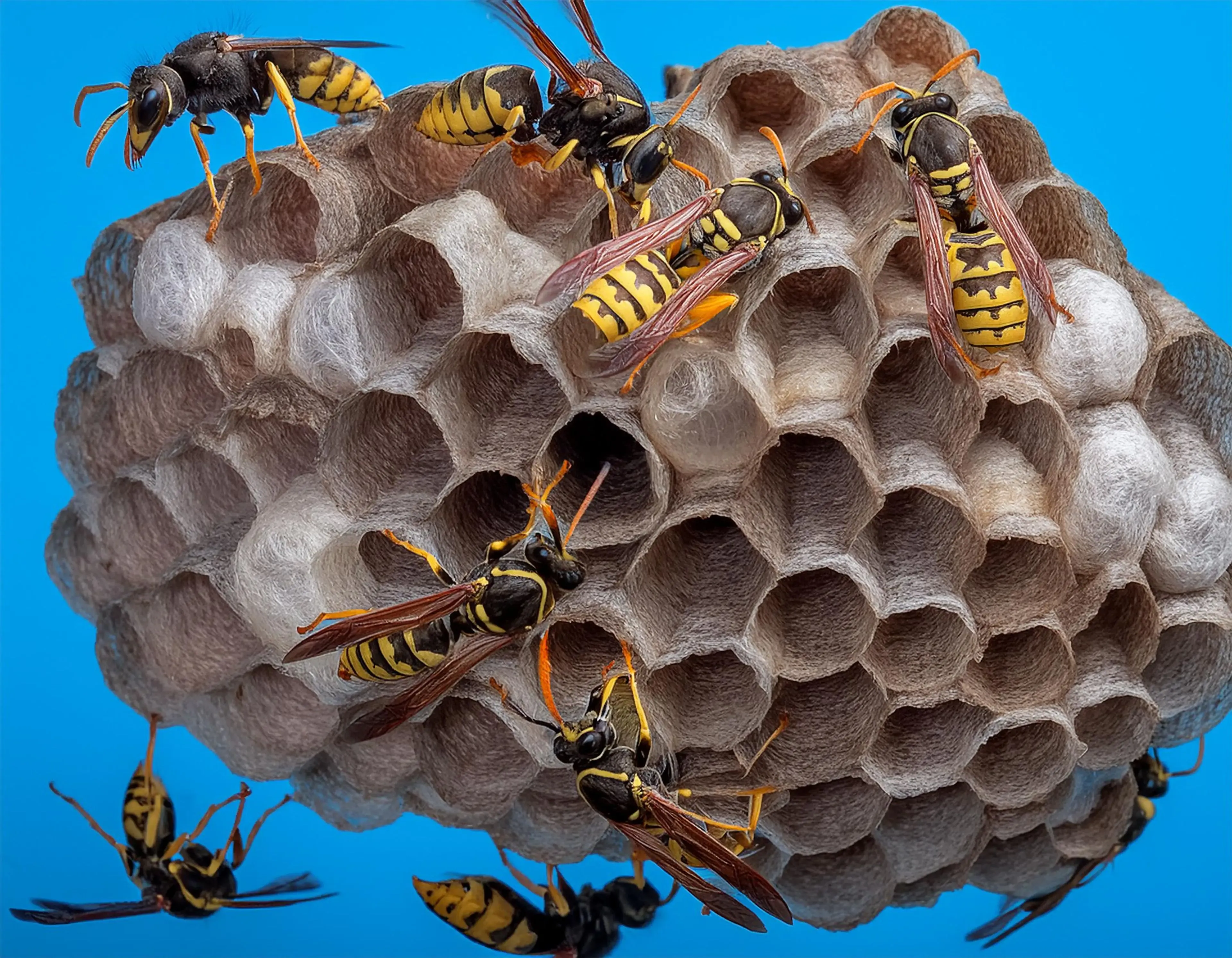
- Wasps - a lone queen begins a small nest in spring, before the colony grows rapidly through June and July and peaks at thousands of workers in August and September. The clearest early sign is a steady stream of wasps flying to and from a single point on your property, such as a gap under the eaves, an air brick, a roof tile, a soffit, or a hole in a shed or fence post. A spring nest is small and far easier to treat, which is exactly why early action pays off - and if an inspection finds the nest is in fact honey bees, we never destroy them, as they are valuable pollinators that are left in place or relocated by a beekeeper. See how to get rid of wasps.
- Ants - colonies become a noticeable problem from around April or May as they wake and forage hard for food. The classic sign is a steady trail of small dark garden ants running along skirting boards, worktops and door thresholds toward anything sweet or greasy, and you may spot tiny heaps of fine soil pushed up between paving slabs or air bricks where a nest sits below. While garden ants are mainly a hygiene and nuisance concern, they can contaminate exposed food and surfaces - a real food-safety issue in kitchens and cafes. Treating in late spring means bait is taken back to the nest most effectively. See how to get rid of ants.
- Rats - active all year, but numbers build quickly in spring and summer when breeding peaks and food is plentiful outdoors, even when rats are less visible inside. They contaminate far more food than they eat and gnaw constantly through cables, pipes and timber - damaged wiring is a recognised cause of avoidable fires. Because they breed rapidly, a small problem can escalate within weeks, so the first signs - droppings, gnaw marks, greasy smear marks or scratching noises after dark - are worth acting on immediately. See how to get rid of rats.
Your seasonal prevention checklist
A little prevention in spring saves a lot of disruption later. Work through this checklist now, at home or at your business:
- Seal entry points. Check for and close gaps and cracks around walls, floors, windows, doors, pipes and air bricks. Rats fit through surprisingly small holes, and sealing gaps keeps ants and wasps out of the building fabric too.
- Tackle food and crumbs. Keep kitchens and dining areas clean, clear up spills and crumbs promptly, and store food and pet food in airtight containers - the single biggest draw for foraging ants and rodents.
- Manage waste. Keep bins tightly sealed and clean, and clear up fallen food outdoors so you are not feeding wasps, ants or rats.
- Cut back vegetation. Trim overgrown plants and growth around the property to remove shelter and the routes rats use to reach the building.
- Clear clutter. Tidy lofts, sheds, garages and outbuildings to remove potential nesting sites for rodents.
- Watch for early nests. Look under eaves, soffits, roof tiles and in sheds for the start of a papery wasp nest, and check paving joints and air bricks for fine heaps of excavated soil that mark an ant nest below.
- Keep drains in good repair. A damaged drain is a common rat highway - fixing it early closes the door.
When to call us
If you have already spotted the signs - a stream of wasps heading to one point on the building, ant trails across the kitchen, or rat droppings and gnaw marks - don't wait for them to multiply. DIY shop-bought products rarely resolve an established problem and can be unsafe around children and pets. Professional treatment is faster and more reliable: a Blades technician identifies the source and entry points, applies targeted control, and proofs the property so the problem stays solved.
Blades Pest Solutions is RSPH-qualified, fully insured, and confident in our work, with same-day and 24/7 call-outs across Ipswich, Suffolk and north Essex. We agree a clear plan with you before any work begins. Call our freephone line on 0800 037 7358 for a free, no-obligation price.
FAQs
- Why does spring matter for pest control?
- Spring is when colonies wake up and start small. Wasp queens build nests no bigger than a golf ball, ant colonies begin foraging, and rodents nest and breed. Dealing with a problem now, while it is small, is far easier than tackling a peak-summer infestation. For a free, no-obligation price, call 0800 037 7358.
- Is it too early to treat a wasp nest in spring?
- Not at all - spring is the ideal time. A nest started by a lone queen is small and far easier to treat than the same nest in August, when it can hold thousands of workers. If you see wasps flying to and from one point on the building, call us on 0800 037 7358.
- Why are ants suddenly appearing in my kitchen?
- Ant colonies wake in spring and forage hard for food, so trails of small dark workers along skirting boards and worktops toward anything sweet or greasy are common from around April or May. Treating now, before numbers peak in summer, means bait is carried back to the nest most effectively.
- Should I worry about rats in spring?
- Yes. Rats breed rapidly in spring and summer when food is plentiful, so a small problem can escalate within weeks even if they are less visible indoors. Acting on the first signs - droppings, gnaw marks or scratching noises - is always best. Same-day and 24/7 response is available across Suffolk and north Essex.
- How much does spring pest treatment cost?
- Every property and infestation is different, so the price is tailored to what we find on site. Call our freephone line on 0800 037 7358 for a free, no-obligation price.