
5 min read · Blades Pest Solutions
Summer is the busiest pest season of the year across Suffolk and the wider UK. Warmth speeds up insect breeding cycles, colonies that began life in spring reach full strength, and food eaten outdoors draws everything in. For homes and especially food businesses, the smart move is to act before numbers peak rather than after, because early prevention is far easier and less disruptive than tackling a mature problem at its height. A small wasp nest in June is a routine job; the same nest in August can hold thousands of workers. This guide is the summer companion to our full seasonal pest calendar for Suffolk, focused on the three pests that define the season.
Pests active in this season
Three pests dominate the summer call-outs we receive, each driven by the same warm, humid conditions.
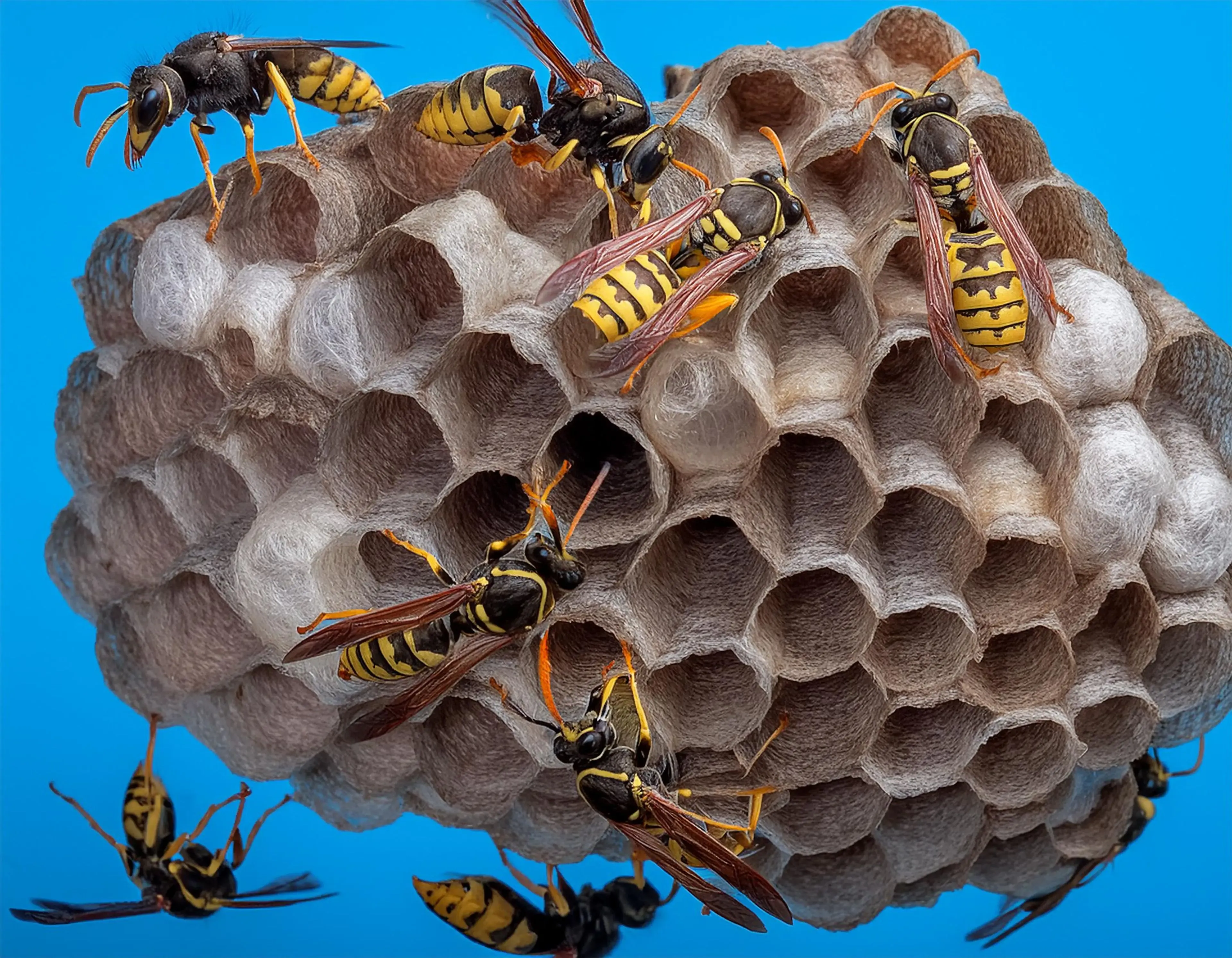
- Wasps - a lone queen starts a small nest in spring, the colony grows rapidly through June and July, and numbers peak in August and September, when a single nest can hold thousands of workers. Late summer is also when wasps turn noticeably more aggressive and are drawn to fermenting fruit and sugary drinks, so most call-outs land between July and October. Learn the warning signs in our guide to getting rid of wasps.
- Flies - warmth shortens the breeding cycle, which can complete in under two weeks for bluebottles and houseflies during hot spells. Numbers peak in summer around bins, drains and food waste. Because flies feed and breed on rubbish and decaying matter before walking over food, they are a genuine contamination concern for any kitchen. See our guide to getting rid of flies.
- Ants - outdoor colonies are largest and most active in summer, and the warm, humid weather of July and August triggers the mass winged "flying ant" nuptial flights, typically when temperatures climb above the mid-20s Celsius. Large numbers of winged ants around a building are a clear sign of a mature, established colony nearby. Our guide to getting rid of ants covers what to do.
For food businesses, the stakes are higher in summer. Outdoor dining, propped-open doors and warm kitchens are an open invitation, and wasps scavenging around tables, flies contaminating surfaces, and ants trailing across worktops all carry real food-safety and reputational consequences. Flies in particular feed and breed on faeces, rubbish and decaying matter before walking over and regurgitating onto food, mechanically transferring bacteria associated with food poisoning, so a fly problem in a kitchen is never just a nuisance. Restaurants and pubs serving outdoors should treat prevention as part of routine hygiene, not an afterthought, and many opt for ongoing monitoring with electric fly-killer units through the peak months.
Your seasonal prevention checklist
Most summer problems can be reduced with a few practical habits. Put these in place now, before numbers build:
- Keep food and drinks covered when eating or serving outdoors - uncovered sweet food and fizzy drinks are the single biggest draw for scavenging wasps.
- Seal rubbish bins tightly, empty them often and clean up spills and fallen fruit promptly, both indoors and out.
- Clean kitchen surfaces, food-storage areas and bin stores regularly to remove the breeding grounds and odours that attract flies.
- Clean and disinfect drains to stop the build-up of organic matter that drain flies breed in.
- Store food in airtight containers, and keep pet food and sugar sources secured so ants have nothing to trail toward.
- Seal gaps and cracks around windows, doors, air bricks, eaves and pipework to deny wasps nesting voids and ants entry points.
- For outdoor dining areas, consider fly screens or mesh on kitchen openings, and keep an eye out for the steady stream of wasps to and from a single point that signals a hidden nest.
- Watch for early signs - a wasp trail to a gap under the eaves, fly specks on windowsills and light fittings, or ant trails along skirting and worktops - and deal with them before the season peaks.
When to call us
If you have spotted a wasp nest, a steady stream of flies in a food area, or flying ants emerging around your property, don't wait for the August peak. A nest left to grow only becomes harder, and slower, to deal with. DIY products rarely resolve an established nest or breeding source and can be unsafe near children, pets and food; with wasps in particular, disturbing a hidden nest without proper protection is the most common cause of multiple stings. Our RSPH-qualified technicians find the source and entry points, apply the right treatment safely, and advise on proofing so the problem does not simply return. We work to a clear, agreed plan so you know exactly what we will do and when, and we are fully insured. We offer same-day and 24/7 call-outs across Ipswich, Suffolk and north Essex, with commercial cover UK-wide. Call us on 0800 037 7358 for a free, no-obligation price.
FAQs
- When is summer pest season at its worst?
- Activity builds through June and July and peaks in late summer. Wasp numbers peak in August and September, fly breeding races ahead during hot spells, and flying ants typically swarm in July and August during warm, humid weather. Acting before the peak is far easier than after.
- Why are wasps so aggressive in late summer?
- In late summer the queen stops laying, and workers turn to fermenting fruit and sugary food, which makes them noticeably more aggressive and drawn to outdoor dining areas, bins and fizzy drinks. This is why most wasp call-outs occur from July to October.
- How do I keep flies out of my kitchen in summer?
- Keep surfaces and bin stores clean, dispose of waste promptly in sealed bins, clean and disinfect drains, and store food covered or refrigerated. Fly screens on openings help. Flies breed on decaying matter, so removing the breeding site is the key to lasting control.
- What are flying ants and are they a problem?
- Flying ants are winged males and queens emerging in their nuptial flight, usually in July and August when it is warm and humid. Large numbers around a building point to a mature, established colony nearby. Summer is the ideal time to treat, when bait is carried back to the nest most effectively.
- How much does summer pest control cost?
- Every property and infestation is different, so the right price depends on what we find on site. Blades Pest Solutions gives free, no-obligation quotes with same-day and 24/7 call-outs. Call 0800 037 7358 for a free, no-obligation price.