
Local pest control
Pigeon Control in Creeting St Peter
Creeting St Peter is a quiet rural parish in the Gipping Valley, tucked between Needham Market and Stowmarket just north of the A14 and surrounded by the arable farmland and mature hedgerows that define mid-Suffolk's landscape.
Pigeon control in Creeting St Peter
Fast, local pigeon control across Creeting St Peter
In Creeting St Peter, pigeon pressure is shaped by the local mix of property and surroundings. A small, scattered rural parish (around 239 residents) of farmhouses, period cottages and converted barns interspersed with arable farmland, plus a handful of modern infill dwellings. Many properties have agricultural outbuildings, lofts and cavity-rich older fabric that offer pest harbourage.
Creeting St Peter is a quiet rural parish in the Gipping Valley, tucked between Needham Market and Stowmarket just north of the A14 and surrounded by the arable farmland and mature hedgerows that define mid-Suffolk's landscape. The village sits close to Creeting St Mary and Earl Stonham, and like much of this agricultural belt it faces persistent pressure from field mice and brown rats moving into homes and outbuildings as crops are harvested each autumn. Older timber-framed properties and farm buildings provide ideal harbourage for wasp nests through the summer months, while grey squirrels frequently find their way into roof spaces across this well-wooded corner of the district. Blades Pest Solutions provides RSPH-qualified, fully insured pest control to Creeting St Peter and the surrounding parishes, with local engineers available for same-day appointments and a 24/7 emergency response whenever urgent treatment cannot wait.
Our promise
No small print - just confident, honest pest control
No small print, no empty promises. We agree a clear treatment plan and timeframe with you up front - and because every job is carried out by an RSPH-qualified engineer, we're confident enough in the result that return visits are rare.
Identification
How to identify pigeons
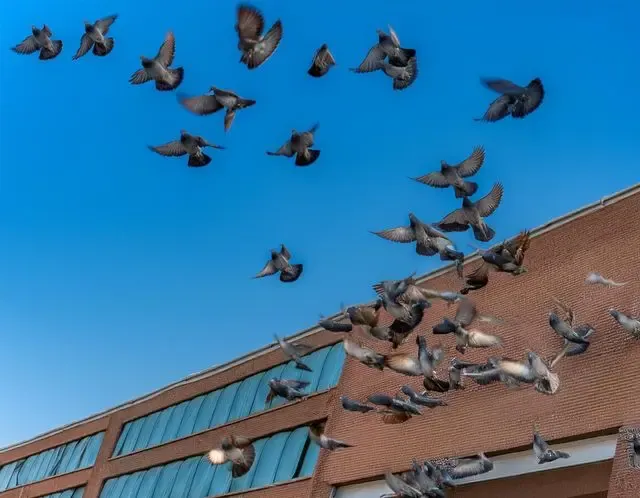
Recognising Pigeons: Pigeons, also known as rock doves, are common urban birds and can become a nuisance when they roost or nest in inappropriate places. Here’s how to identify them: Pigeons are medium-sized birds with a robust build, typically ranging from 30-35 cm in length. They have a distinctive cooing sound and can be identified by their greyish-blue feathers, often with iridescent necks and white tail feathers. Their distinctive walking pattern and ability to perch on ledges or rooftops are also key identifiers. Common Issues: Pigeons can cause various problems when they invade buildings or urban areas. Understanding these issues can help in managing and mitigating their impact. Health Risks: Pigeons can carry diseases such as psittacosis and histoplasmosis, which can be transmitted to humans through their droppings. Structural Damage: Pigeons can cause significant damage to buildings through their droppings, which are acidic and can erode stone and metal surfaces. Mess and Noise: Pigeon droppings can create unsightly messes and can lead to blocked gutters. The cooing and nesting behaviors can be disruptive, especially in urban areas.
Warning signs
Signs of pigeons in Creeting St Peter homes
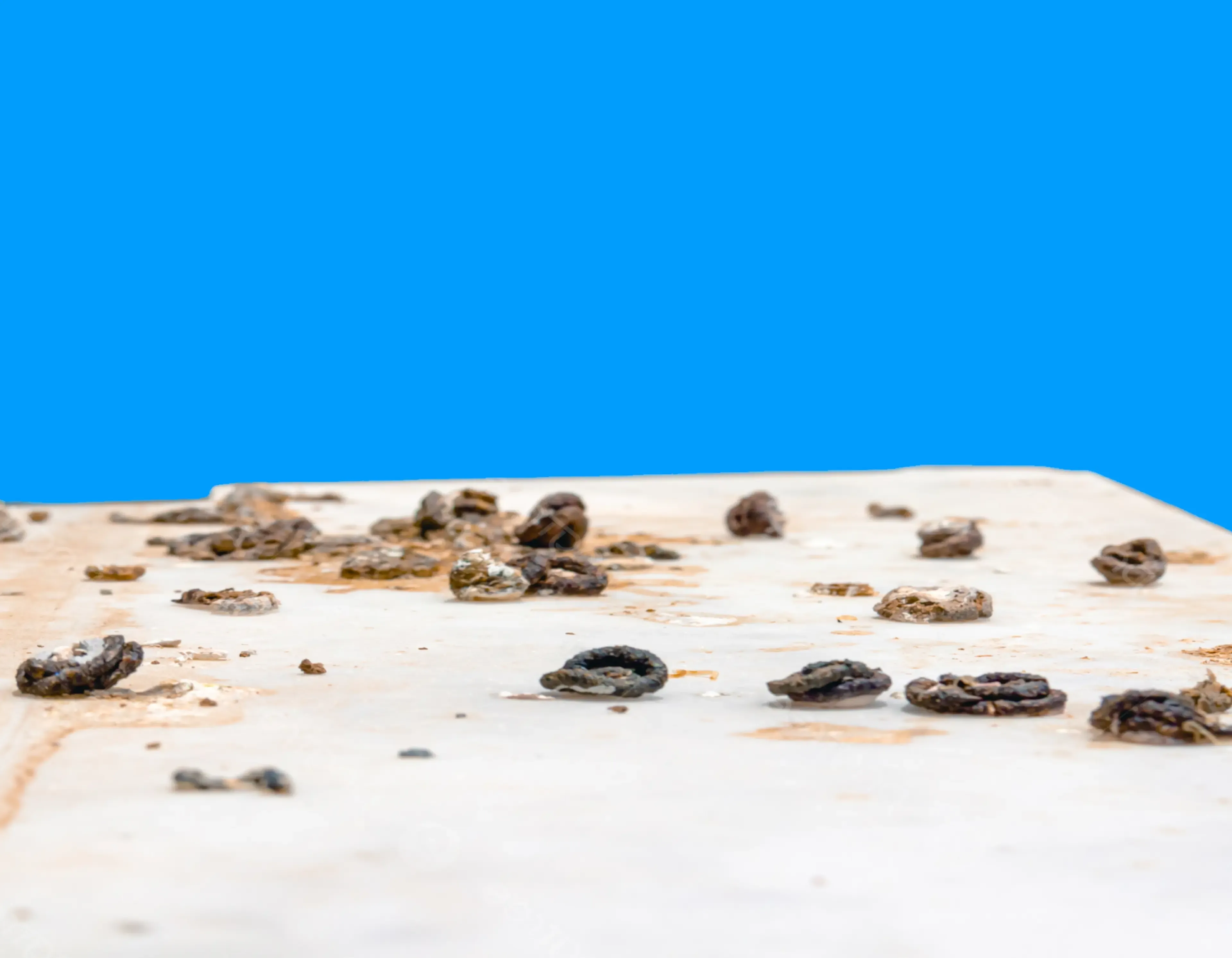
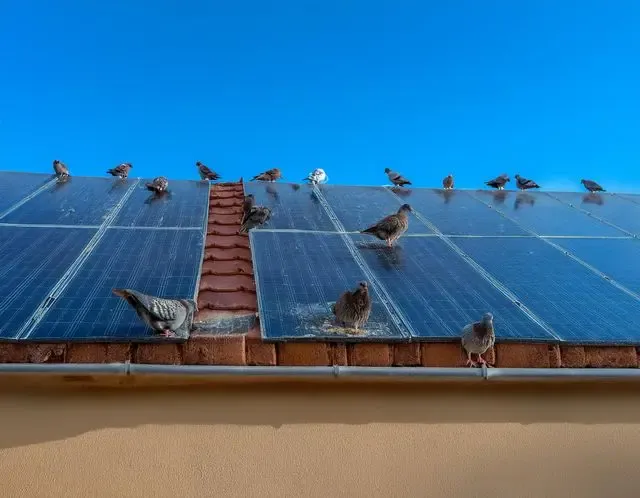
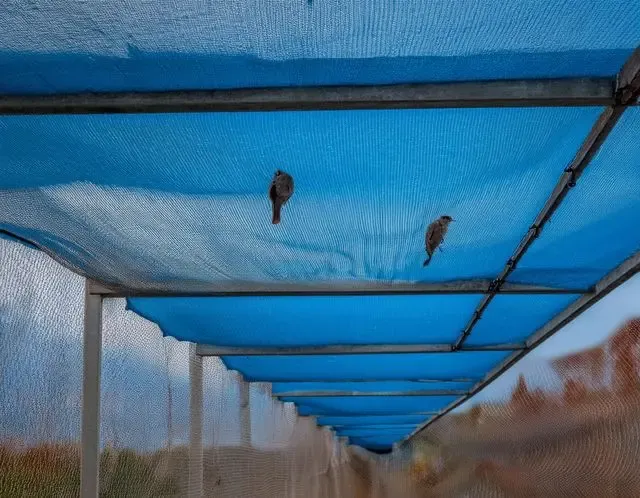
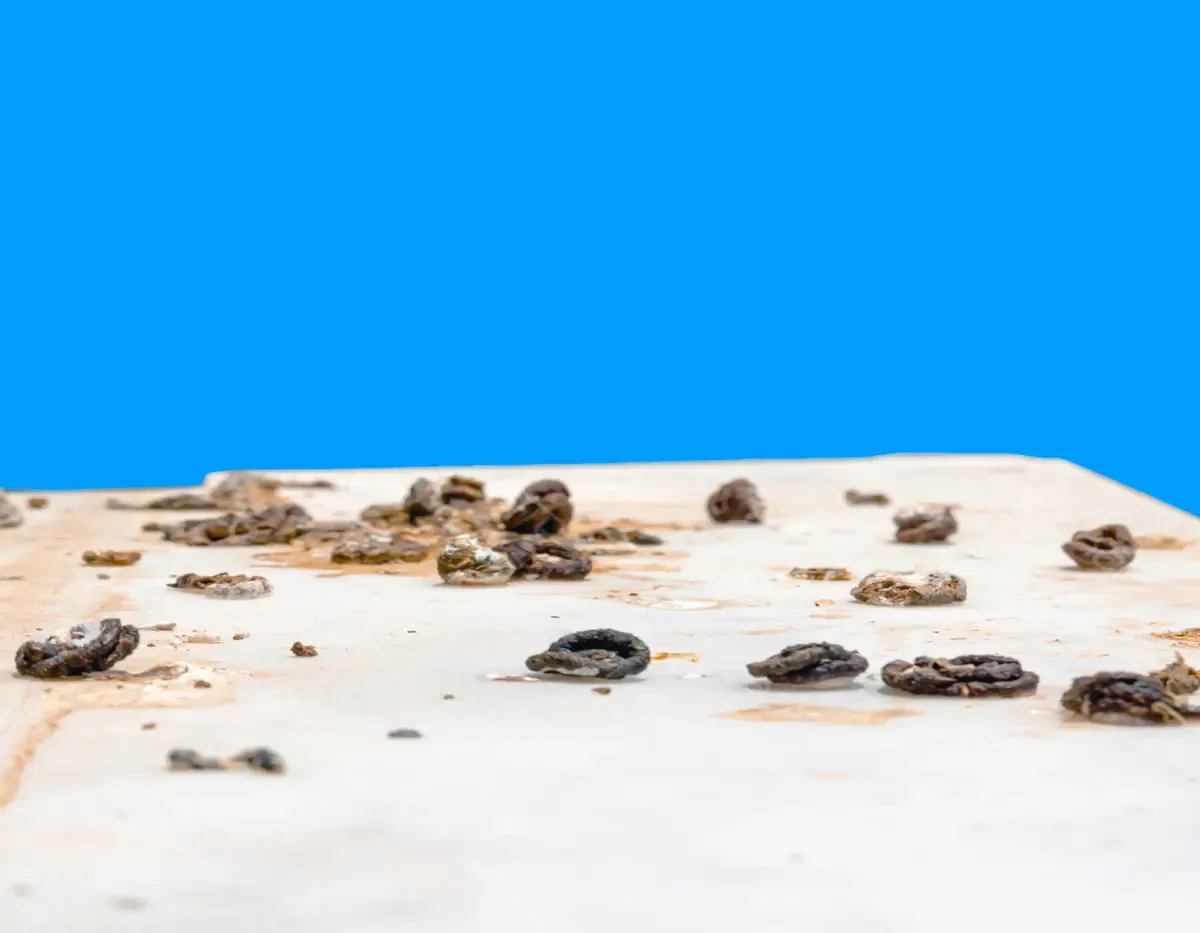
Typical indicators of a feral pigeon problem include: accumulations of droppings (guano) beneath ledges, beams, signage, solar panels and roosting points, often building into thick, crusted deposits and white streaking down walls. Visible birds repeatedly perching, loafing or roosting on parapets, ledges, rooftops, ledged windowsills, gutters and beneath bridges or canopies. Nests and nesting material — untidy collections of twigs, straw, feathers and debris — tucked into lofts, void spaces, recessed brickwork, behind signage, in disused chimneys, or on flat ledges; nests are frequently reused and become heavily fouled. Persistent cooing and the clatter of wings, particularly around dawn and at roosting times. Scattered feathers and, in severe cases, the carcasses of dead birds or unhatched eggs. Blocked or overflowing gutters, hoppers and downpipes caused by nest material and droppings. Damage to roofing felt, solar PV arrays (birds nesting beneath panels) and stonework from acidic fouling. Evidence of feeding activity around bin stores, food outlets and spilled grain. Inside buildings, signs of bird mites or a persistent musty/ammonia odour from a hidden roost can also point to an established infestation.
Why it matters
Health & property risks
Feral pigeons and their droppings are associated with a number of zoonotic and respiratory health risks. Inhalation of dust from dried droppings can transmit psittacosis (ornithosis, caused by Chlamydia psittaci), producing flu-like illness and pneumonia, and histoplasmosis, a fungal lung infection arising from fungus that grows in accumulated guano. Cryptococcosis, another fungal infection that can affect the lungs and central nervous system, is also linked to pigeon droppings and is a particular concern for immunocompromised individuals. Pigeons can carry bacteria including Salmonella, E. coli and Campylobacter, which may contaminate food-preparation areas, water tanks and surfaces. Allergens in feathers and droppings can trigger or worsen asthma and cause extrinsic allergic alveolitis (bird fancier's lung). Pigeons also act as hosts for ectoparasites — pigeon ticks, bird mites (including the red mite) and biting flies — which can migrate indoors and bite humans once a nest is disturbed or abandoned, leaving people with persistent irritation. There is an additional indirect risk: large volumes of slippery droppings on walkways, fire escapes and steps create a real slip-and-fall hazard, and acidic guano degrades building fabric. Anyone cleaning fouled areas should treat it as a biohazard, wear appropriate RPE/PPE and dampen material to suppress airborne dust.
Got pigeons in Creeting St Peter? Let's sort it today.
Speak to a local, RSPH-qualified engineer now. Same-day pigeon appointments and 24/7 emergency cover across Creeting St Peter.
Free quote · Same-day pigeon treatment in Creeting St Peter · 24/7
Our treatment
How we treat pigeons in Creeting St Peter
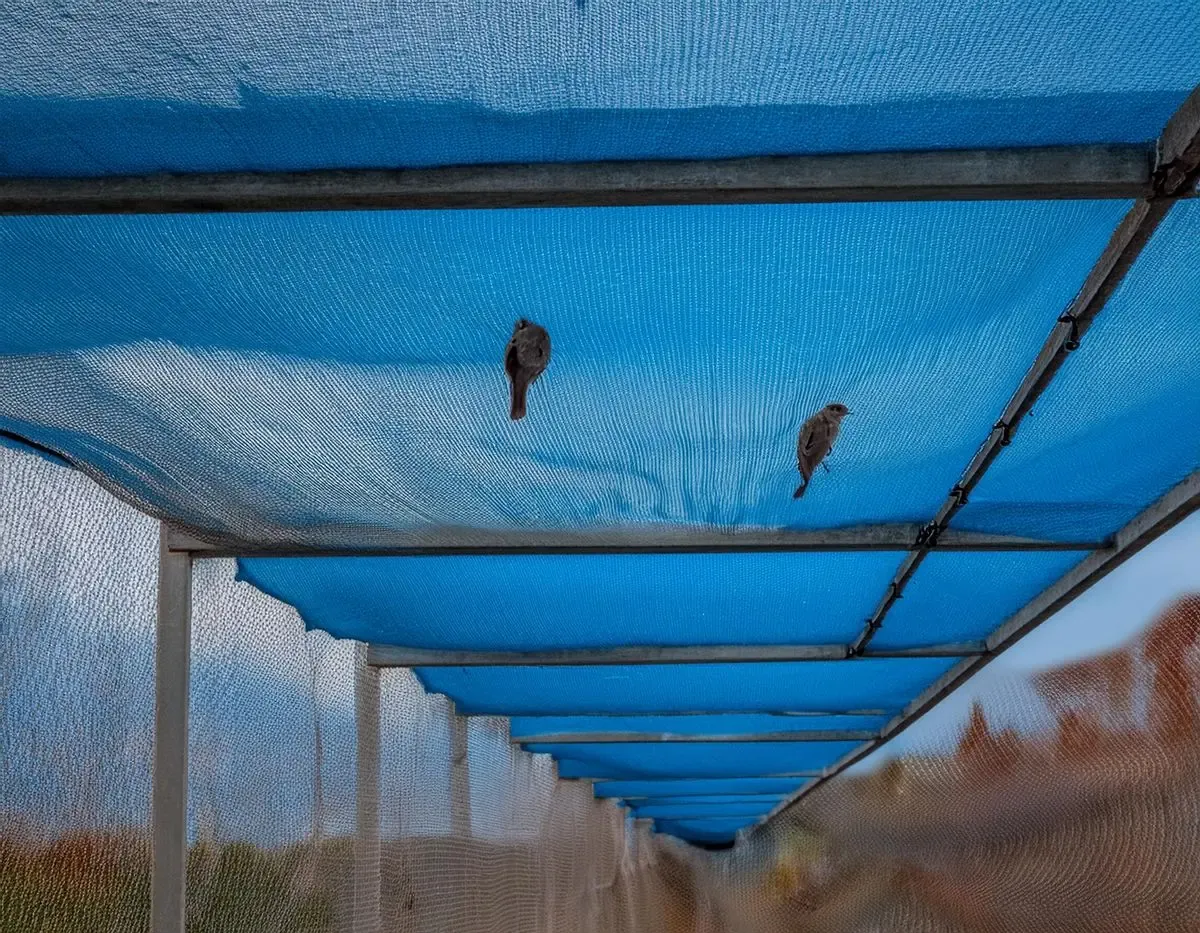
Blades Pest Solutions offers comprehensive methods for managing pigeon infestations while ensuring humane and effective practices. Here’s how we handle pigeon control: Control Methods: Exclusion: We seal entry points and install barriers to prevent pigeons from accessing buildings. This includes netting, spikes, and bird wires. Deterrents: We use various deterrents such as visual repellents, audio devices, and chemical repellents to discourage pigeons from roosting or nesting. Nest Removal: We safely remove existing nests and ensure that the area is cleaned and disinfected to prevent health risks. Habitat Modification: We advise on modifying the environment around your property to make it less attractive to pigeons, such as removing potential food sources and reducing available perching areas.
Our expert advice
Effectively managing pigeons involves a combination of prevention, deterrence, and removal strategies. Here are our expert recommendations: Inspection Tips: Regularly inspect your property for signs of pigeon activity, such as droppings, feathers, and nesting materials. Check potential roosting spots including ledges, vents, and rooftops. Handling Pigeon Infestations: Avoid Direct Contact: Pigeons can be carriers of disease. Avoid direct contact and use protective clothing if handling them. Professional Assessment: Engage with professional pest controllers to assess the extent of the infestation and recommend suitable control measures.
Keep them away
How to prevent pigeons in Creeting St Peter
Seal gaps and openings to prevent entry, and use deterrents like spikes or netting on ledges. Remove food sources and secure garbage to avoid attracting pigeons.
Did you know
Pigeon facts
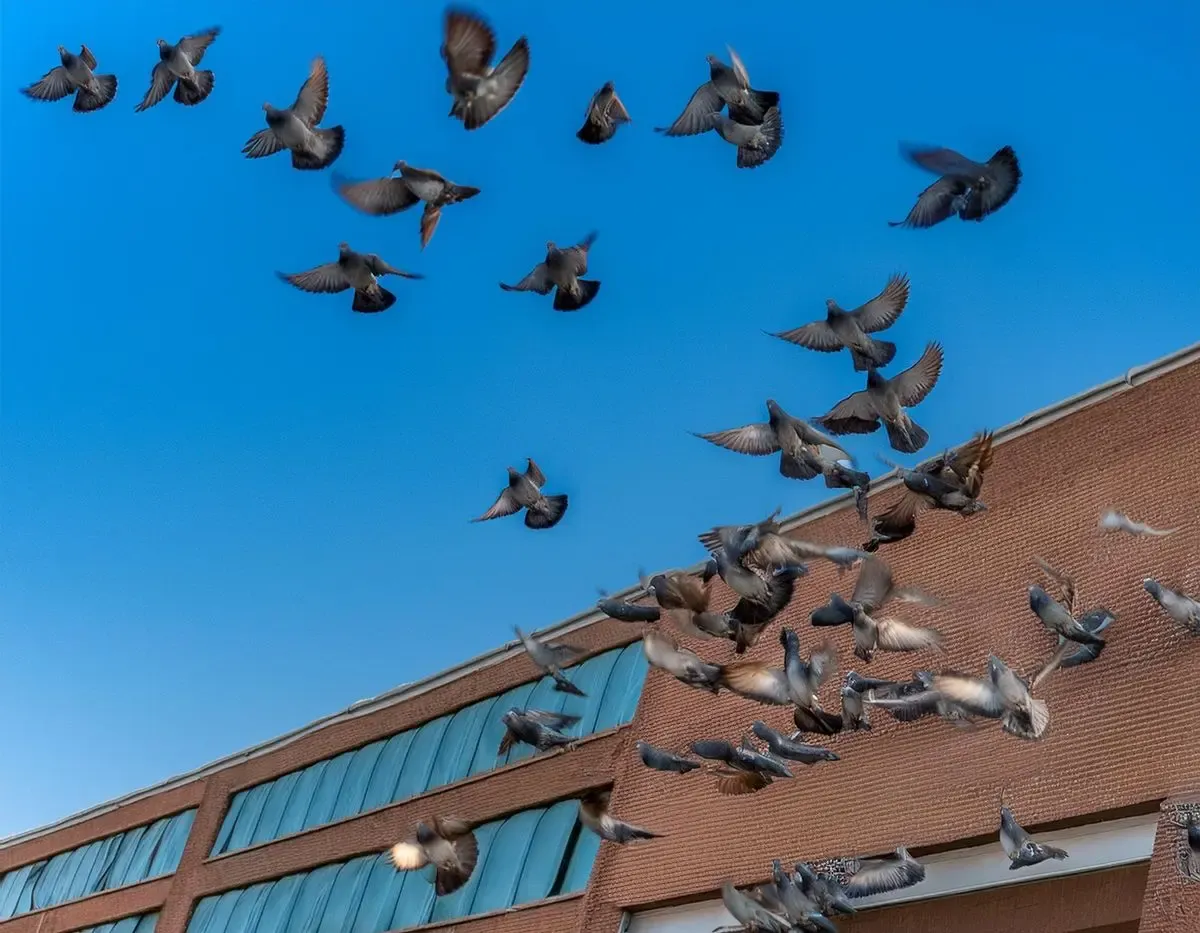
Understanding pigeons can help you manage their presence more effectively and appreciate their role in the urban environment. Key Facts: Diet: Pigeons primarily feed on seeds, grains, and sometimes small invertebrates. They are often seen pecking at food scraps in urban areas. Breeding: Pigeons can breed throughout the year, with a high reproductive rate. A pair of pigeons can produce several broods annually. Behavior: Pigeons are social birds that prefer to roost in groups. They are highly adaptable and can thrive in a variety of environments.
UK seasonality
When are pigeons most active?
Feral pigeons are present and active in the UK throughout the entire year and, unlike many pests, do not hibernate or migrate, so problems can occur in any month. Their distinguishing feature is an exceptionally long breeding season: given a reliable food supply (common in urban and suburban settings), pairs can breed almost year-round and may raise several broods annually. January–February: birds shelter and roost communally in warm, sheltered structures (lofts, undercroft areas, plant rooms); breeding can already be underway in milder spells and city heat-island conditions. March–May: peak nest-building and the main spring breeding push, with the highest demand for ledges and void spaces; this is when new nests appear and complaints typically rise. June–August: continued breeding and multiple broods, large numbers of juveniles fledging, heavy fouling at established roosts, and ectoparasite (mite/tick) activity at its highest in warm weather. September–October: a secondary breeding peak is common while the weather remains mild, alongside flocking and increased reliance on food sources as natural availability drops. November–December: birds increasingly seek warm, dry roosting and nesting sites within buildings, so exclusion gaps are exploited and indoor roosting complaints rise. Because of this near-continuous breeding, proofing and deterrence are best installed outside the peak nesting window and ideally before birds become strongly site-attached, but inspections and preventative work are worthwhile at any time of year.
Coverage
Same-day pigeon call-outs across IP6
We cover Creeting St Peter and the surrounding Suffolk, including Creeting St Mary, Stowmarket, Needham Market, Bentley Ipswich.
Mid Suffolk District Council offers limited or paid-for pest services, so many Creeting St Peter residents and landlords call a private, RSPH-qualified contractor for a faster response.
From the streets around St Peter's Church (12th-century origins) to the outer lanes, our engineers know Creeting St Peter well.
- IP6
More local services
Other pests we treat in Creeting St Peter
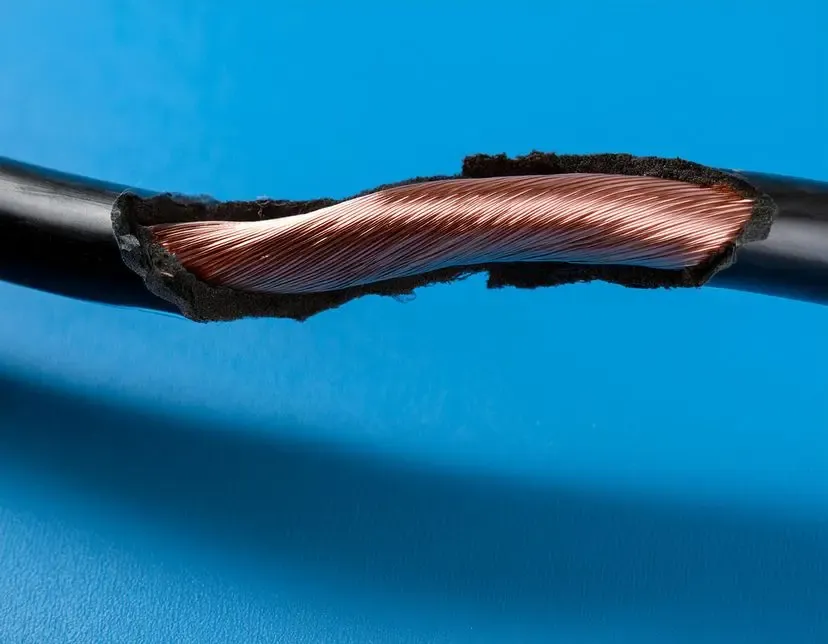
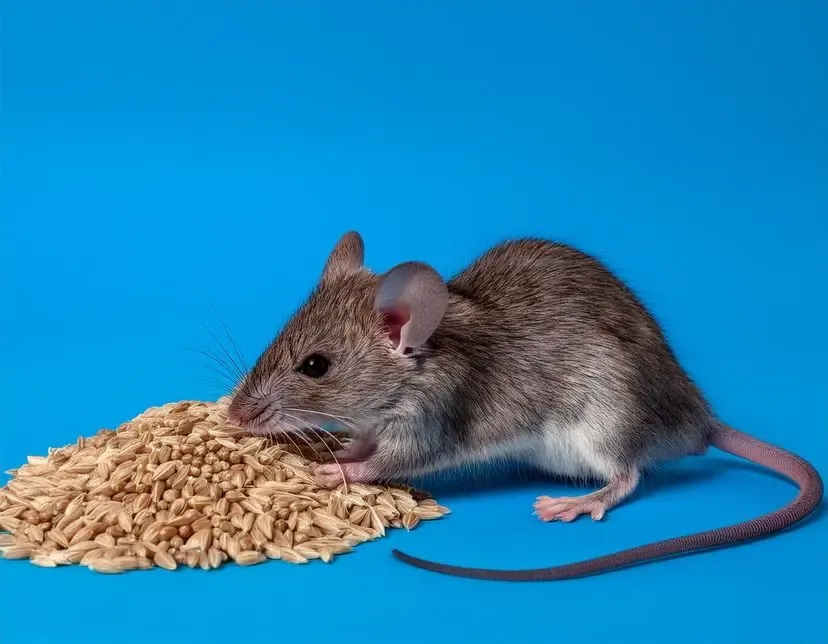
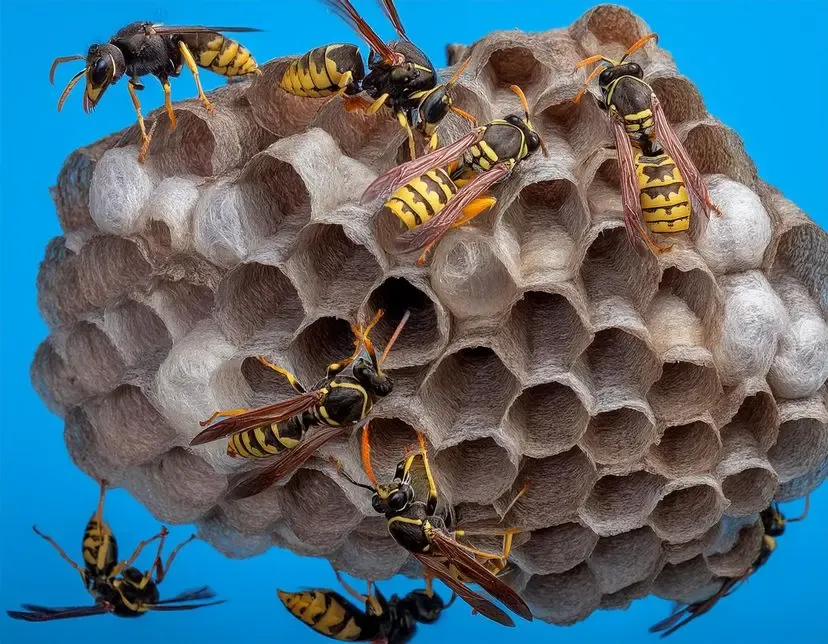
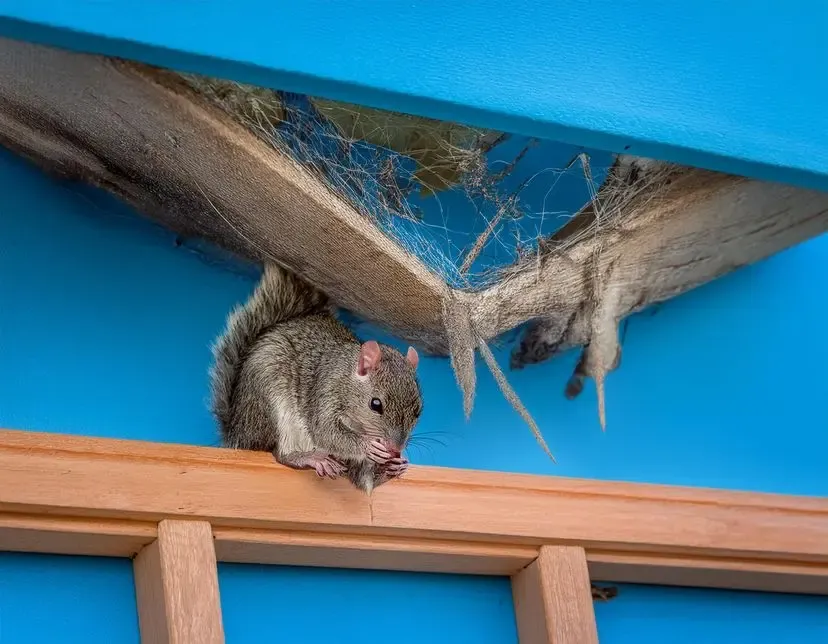
Same-day, RSPH-qualified treatment for the pests most common in Creeting St Peter.

Nearby towns
Pigeon control near Creeting St Peter
Local engineers covering towns right across Suffolk.
Questions
Pigeon control in Creeting St Peter: FAQs
- How quickly can you reach Creeting St Peter for a pigeon problem?
- Our local engineers cover Creeting St Peter (IP6) with same-day appointments and 24/7 emergency response for urgent pigeon infestations.
- What are the signs of a pigeon infestation?
- Typical indicators of a feral pigeon problem include: accumulations of droppings (guano) beneath ledges, beams, signage, solar panels and roosting points, often building into thick, crusted deposits and white streaking down walls. Visible birds repeatedly perching, loafing or roosting on parapets, ledges, rooftops, ledged windowsills, gutters and beneath bridges or canopies.
- Do I need professional pigeon control, or will the council handle it in Creeting St Peter?
- Mid Suffolk District Council offer limited or paid-for pest services. As a RSPH-qualified contractor, Blades responds faster, treats discreetly and agrees a clear plan with you up front.
- How much does pigeon control cost in Creeting St Peter?
- A pigeon-control quote is shaped by the survey findings rather than a fixed list price. Key drivers include: the scale and severity of the infestation (number of birds and how established/site-attached they are); the size, height and complexity of the building and the specific areas needing protection.
- Are your pigeon treatments safe for pets and children?
- Yes. We use RSPH best-practice methods and target treatments responsibly so your family, pets and Creeting St Peter property stay safe.
- When are pigeons most active?
- Feral pigeons are present and active in the UK throughout the entire year and, unlike many pests, do not hibernate or migrate, so problems can occur in any month. Their distinguishing feature is an exceptionally long breeding season: given a reliable food supply (common in urban and suburban settings), pairs can breed almost year-round and may raise several broods annually.
Got pigeons in Creeting St Peter? We'll sort it - fast.
Speak to a local, RSPH-qualified engineer now. 24/7 emergency cover and same-day pigeon response across Creeting St Peter and Suffolk.
24/7 emergency · Same-day response · RSPH-qualified